NexCore
NexCore
NexCore
High-performance rack servers and high-capacity network systems designed for complex computational pipelines and intensive telecom workloads.
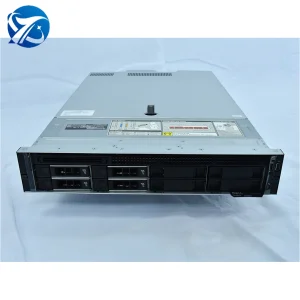
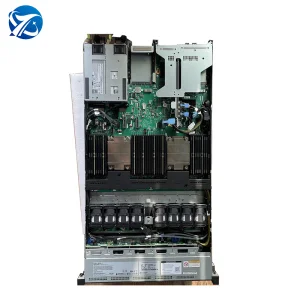
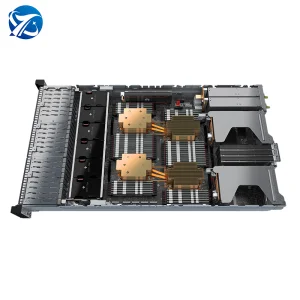
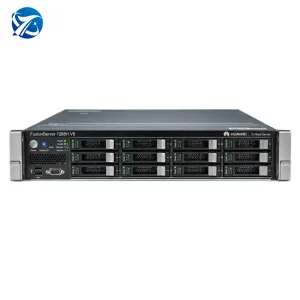
Established in 2017 and headquartered in the global technology epicentre of Shenzhen, China, NexCore Intelligent Technology Co., Ltd. stands as a premier AI server manufacturer and customized enterprise-computing solutions provider. Over nearly a decade, the enterprise has integrated deep vertical expertise with cutting-edge production systems to manufacture advanced computing hardware that bridges the gap between hardware supply chains and mission-critical network deployments.
NexCore operates a specialized, modern facility extending over 386 square meters dedicated to engineering, hardware integration, and quality assurance. Our core focus centers on the comprehensive design, prototyping, testing, and production of high-performance GPU systems, high-density AI training and inference arrays, Hyperconverged Infrastructure (HCI) nodes, and network-attached NAS setups tailored for next-generation AI pipelines (including DeepSeek optimized configurations).
Driven by a commitment to rigorous technical performance, NexCore leverages over 9 years of industry experience and 6 years of international trade operations. To date, we have achieved an annual export volume of approximately USD 18 million, shipping high-specification hardware solutions to enterprise clients, telecom operators, and system integrators across North America, Europe, Southeast Asia, the Middle East, and Oceania.
Through continuous investments in R&D and supply chain integration, NexCore delivers reliable industrial-grade platforms worldwide.
Understanding why global companies depend on Shenzhen and NexCore to architect their computational backbones.
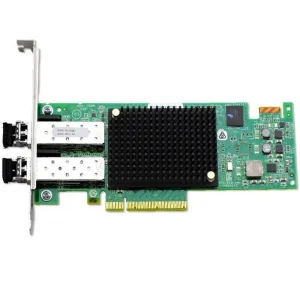
Shenzhen hosts the most dense concentration of semiconductor, PCB, thermal solution, and chassis manufacturers in the world. NexCore taps into this network with over 1,250 verified partners, enabling us to source premium materials (such as high-TG PCBs, Emulex SFP28/32G FC adapters, and advanced heat sinks) within short development cycles.
With 128 skilled engineers on our staff, NexCore translates concept parameters into physical server architectures rapidly. In 2024 alone, we successfully launched 86 new solutions, showcasing our ability to quickly roll out support for PCIe Gen 5, liquid cooling loops, and ultra-dense storage topologies.
By positioning our 46 QC professionals at key points throughout the production assembly line, NexCore enforces an exhaustive testing framework. Every AI server and storage node undergoes mechanical, electronic, thermal stress, and long-cycle burn-in procedures before dispatch, ensuring absolute system reliability.
Exploring the technologies that will define computing infrastructure over the next decade.
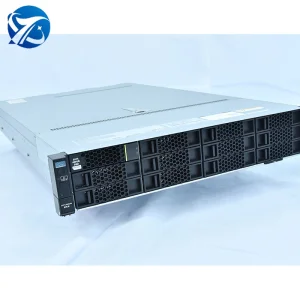
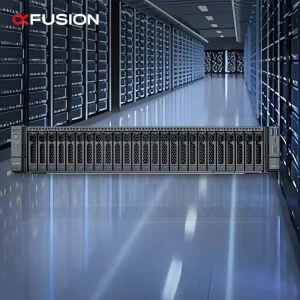
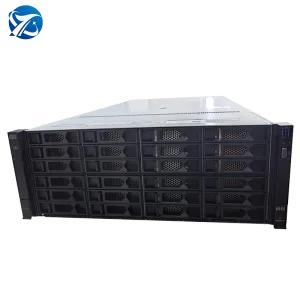
The emergence of highly efficient open-source architectures like DeepSeek has transformed how enterprises plan datacenter compute resources. Rather than relying solely on proprietary, monolithic GPU instances, modern IT architectures employ clusters of highly optimized 2U servers (such as the xFusion 2288H V7 or Dell R760XS) paired with cost-effective, high-throughput network backplanes to process complex AI inference workloads.
As smart grids, connected industrial plants, and 5G networks expand, processing data at the source is critical. This shift demands hyperconverged rack systems equipped with high-speed PCIe expansion and SFP28 fiber adapters to minimize communication latency between the central cloud infrastructure and remote physical sites.
Next-generation processors and GPUs draw significant power, pushing standard air-chassis design to its thermal limits. Leading-edge equipment now integrates multi-channel heat sinks, intelligent pulse-width modulation (PWM) cooling zones, and liquid-cooling cold plates to sustain long-duration processing loads without thermal throttling.
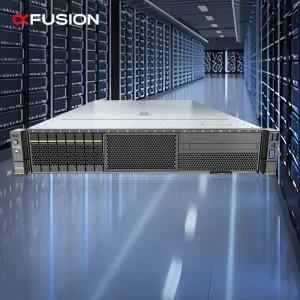
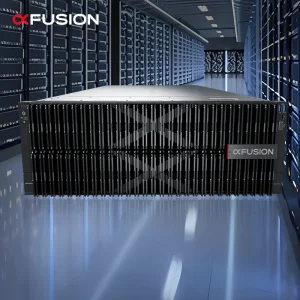
Modern telecom networks process large amounts of unstructured media, sensor logs, and operational telemetry. Unifying computing resources, high-capacity NVMe/SSD storage arrays, and network cards into single systems (like the FusionServer 2488H V7) lowers equipment footprints while boosting read/write throughput.
How NexCore's hardware lines integrate into real-world, high-demand operational topologies.
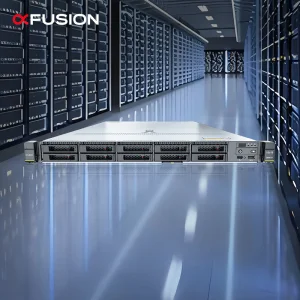
For cloud services and web hosting companies, managing total cost of ownership (TCO) while meeting high demand requires structured server configurations. Deploying 1U servers (such as the Dell R650XS) as load balancers, combined with 2U systems for processing application logic, creates a highly scalable deployment structure.
NexCore’s multi-socket GPU platforms are optimized to process local large language models. By using high-bandwidth SFP28/32G FC Host Bus Adapters, these clusters process real-time customer data, visual information, and natural language with minimal networking bottlenecks.
Integrating compute modules, flash-based storage arrays, and virtualization software into a single system simplifies physical footprint management. Our custom hyperconverged systems provide high virtual machine density and reliable disk-to-disk recovery options for private cloud configurations.
A look inside NexCore's assembly lines and quality inspection workflow.
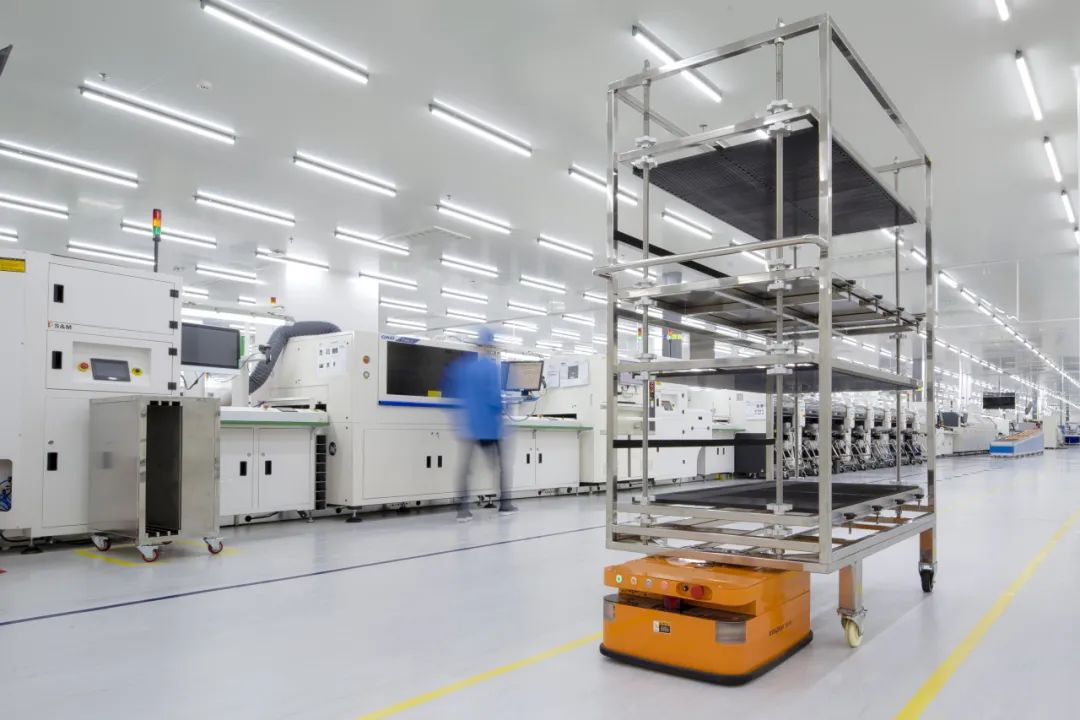
Our Shenzhen facility uses static-safe, climate-controlled assembly areas to protect delicate semiconductor components. Technicians install high-speed processors, RAM modules, expansion cards, and cabling according to standardized manuals, ensuring consistent assembly quality across both short-run and large-volume orders.
We work closely with major hardware components vendors, utilizing pre-validated parts to ensure wide compatibility. System integration teams verify that power distribution boards, fan arrays, and hardware controllers function together efficiently to maintain stable operating temperatures.
Before leaving the factory, every integrated system undergoes thermal profiling and full-load burn-in testing. This test process exposes potential component-level issues by running the hardware at elevated temperatures and maximum compute utilization, helping to ensure stability during actual field deployments.
Our 46 QC personnel monitor diagnostic data during these runs, evaluating bus speeds, port connectivity, memory performance, and drive write speeds. System logs are examined to verify that every server complies with international CE, FCC, and RoHS standards before shipping.
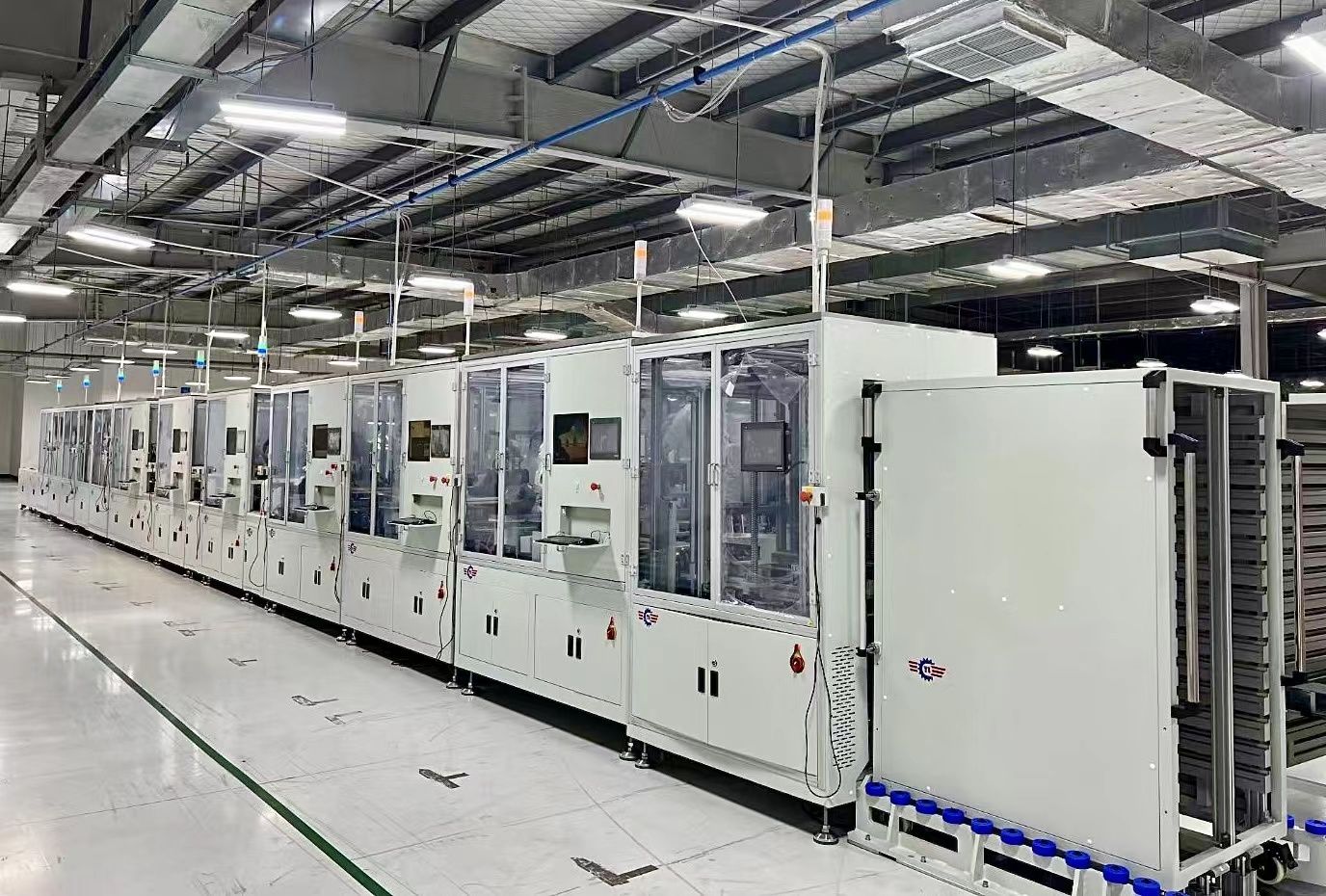
How we support sourcing managers, network architects, and procurement teams through our custom services.
From physical branding and custom front-bezel design to modified PCIe expansion layouts and proprietary BIOS setups, our engineering department designs hardware configurations matched to your specific workload requirements.
We verify and source memory modules, enterprise-grade storage drives, and network controllers through direct channels. This thorough component validation helps limit mid-lifecycle component failures and extends system life.
We export to over 30 countries and provide the customs documentation, compliance filings, and packing protection needed for safe transit. Our team ensures deliveries meet local import and regulatory requirements.
Answers to common questions regarding technical specs, customization, and factory operations.
We run integrated systems through a multi-stage testing process. This includes incoming component inspection, static load evaluation, thermal profiling under stress, and a 24-to-72 hour continuous burn-in period. These protocols help identify and resolve anomalies before shipment.
For standard rack servers and built-to-order system builds, our lead time typically ranges from 10 to 20 working days. This depends on component availability and customization requirements, such as custom chassis finishes, specific network adapters, or customized firmware configurations.
Yes, our GPU and high-capacity network systems are configured and tested to support major open-source AI frameworks. We optimize bus routing and storage connectivity to facilitate multi-node inference and training workloads.
We back our hardware with standard enterprise warranties, which include access to replacement components and remote engineering support. In the event of a component failure, replacement parts are sent via international express to minimize system downtime.
Yes, through our OEM/ODM services, we offer custom chassis silkscreening, customized metal bezels, packaging design, and system-level firmware adjustments, such as embedding custom splash logos or setting specific boot priority options.
Explore our full line of rack systems, high-speed adapter cards, and hyperconverged nodes to find the right solution for your infrastructure.