NexCore
NexCore
NexCore
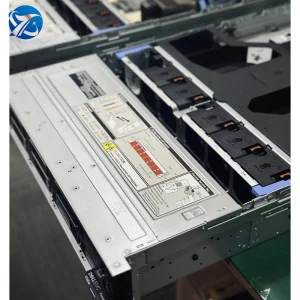
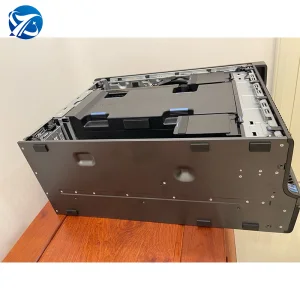
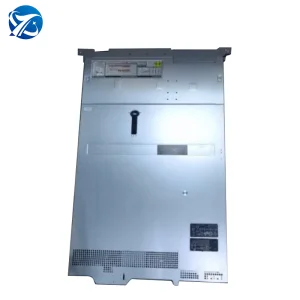
Discover our primary lineup of enterprise-grade server infrastructure. Engineered for workload density, scalability, and unmatched thermal management.
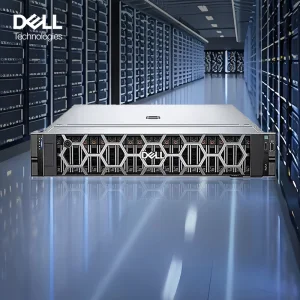
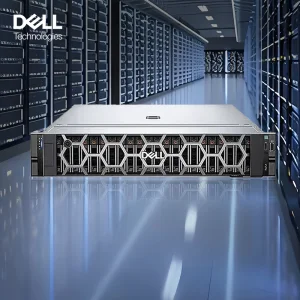
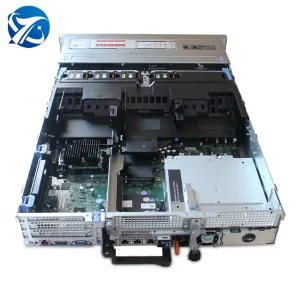
As digital transformations accelerate globally, enterprise data hubs require a combination of high-density hardware reliability and customizable application-specific computing architectures. The market for high-performance servers demands more than off-the-shelf system integration; it requires rigorous engineering expertise, comprehensive supply chain alignment, and an understanding of complex computational workloads. NexCore Intelligent Technology Co., Ltd. stands as a premier system solution architect, bringing over nine years of industrial experience to complement, customize, and deliver next-generation enterprise hardware configurations.
Founded in 2017 in Shenzhen, China's core technological development zone, NexCore operates a modern design and validation hub. Specializing in high-performance GPU systems, hardware acceleration platforms, and tailored high-performance computing (HPC) nodes, NexCore works in tandem with key technology ecosystems, offering custom designs that optimize thermal layout, silicon utilization, and long-term chassis durability.
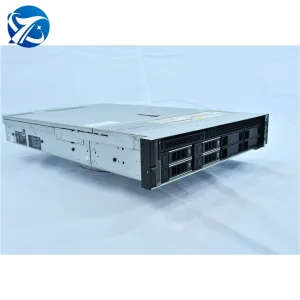
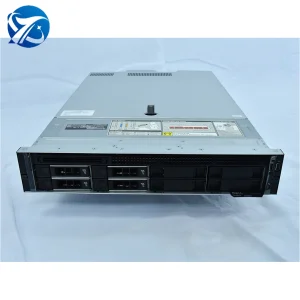
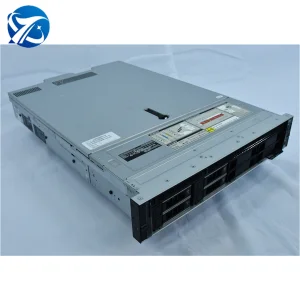
By examining the hardware profiles of standard-setting systems like the PowerEdge R760, R660, and R960 series, we explore the deep hardware parameters that drive current enterprise operations.
Dell's R660xs and R660 series represent the zenith of 1U efficiency, allowing organizations to maximize compute-per-rack-unit. Conversely, 2U configurations such as the PowerEdge R760, R760xs, and R760XD2 provide expanded PCIe expanding space, larger local thermal envelopes, and greater storage capacity. This architectural versatility supports flexible storage topologies (NVMe/SAS/SATA) directly aligned with your processing profile.
Leveraging Intel® Xeon® Scalable processors (such as the Xeon 8452Y and 6426Y), our integrated platforms feature 2-socket and 4-socket configurations. Multi-socket setups increase memory bandwidth via DDR5 architecture running at up to 4800MT/s. This helps minimize latency bottlenecks in NUMA environments, delivering consistent performance for demanding virtualization workloads.
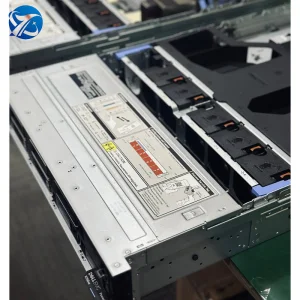
Modern server hardware faces thermal challenges with high-TDP processors. Dell PowerEdge architecture utilizes Smart Flow designs to optimize airflow across critical system components. This advanced cooling configuration reduces fan power consumption and prevents thermal throttling, maintaining long-term hardware reliability in demanding environments.
| Server Model | Chassis Form Factor | Processor Compatibility | Memory Architecture | Optimal Deployment Use Case |
|---|---|---|---|---|
| PowerEdge R660 / R660XS | 1U Rack mount (Single/Dual Socket) | 4th & 5th Gen Intel® Xeon® Scalable | Up to 32 x DDR5 RDIMMs (Up to 8TB) | High-Density Virtualization, Cloud Infrastructure, Web Tier Hosting |
| PowerEdge R760 / R760XS / R760XD2 | 2U Rack mount (Dual Socket, High Storage) | 4th & 5th Gen Intel® Xeon® Scalable | Up to 32 x DDR5 RDIMMs (Up to 8TB) | Database Clustering, Deep Learning Inference, CAD & Big Data Analytics |
| PowerEdge R960 | 4U Rack mount (Quad Socket) | 4th Gen Intel® Xeon® Scalable (Up to 4 CPUs) | Up to 64 x DDR5 RDIMMs (Up to 16TB) | In-Memory Databases (SAP HANA), Real-time Analytics, Mission-Critical ERP |
| PowerEdge R260 / R350 | 1U Short-Depth / Entry Rack mount | Intel® Xeon® E-Series | Up to 4 x DDR4/DDR5 UDIMMs | Edge Node, SMB Domain Controller, File/Print Gateway, Remote Office |
Modern business challenges require tailored hardware ecosystems. Discover how custom-integrated Dell PowerEdge servers perform across specialized vertical sectors.
Modern machine learning models require high data throughput. High-performance computing clusters leverage custom configurations with advanced GPUs (such as NVIDIA H100 or A100) integrated into R760 and R960 frameworks. NexCore's hardware design optimizes PCIe lane distribution, ensuring high bandwidth and low latency for LLM execution, computer vision, and real-time neural network validation.
Scientific research, meteorological forecasting, and financial modeling require reliable, high-density computing clusters. Using dual-socket nodes like the PowerEdge R760XS, research institutions can build scalable computing fabrics. These platforms use InfiniBand or 100GbE networking interfaces to run parallel processing workloads, scientific simulations, and large-scale complex mathematical modeling.
Managing massive data growth requires scalable storage solutions. The PowerEdge R760XD2 series is designed for data-intensive storage applications. By supporting a large number of internal drive bays, these systems enable high-capacity local storage configurations. This provides a robust foundation for Apache Hadoop clusters, distributed storage systems, and enterprise data archiving.
NexCore delivers enterprise-grade reliability through rigorous testing procedures, global compliance adherence, and a highly responsive support structure.
NexCore maintains a dedicated quality control division of 46 quality assurance personnel. Every server is subjected to a comprehensive quality control checklist before dispatch, ensuring reliable operation under high workloads:
This rigorous inspection process minimizes operational downtime and ensures new systems integrate seamlessly into existing data center deployments.
NexCore's production facility and development team of 128 R&D engineers support rapid custom configuration projects. Our deep collaboration with over 1,250 supply chain partners ensures steady component availability and stable lead times, even during tight market conditions.
NexCore launched 86 new products and solutions in the past year, reflecting our commitment to incorporating the latest computing technology. This agile manufacturing framework supports custom brand options, bespoke internal layouts, and specialized BIOS configurations tailored to our customers' precise requirements.
Enterprise deployments require strict adherence to regional regulatory frameworks. We ensure all custom systems meet local compliance standards for safe, secure operation.
NexCore systems and customized configurations are built to comply with international standards including CE, FCC, RoHS, and UL certifications. This compliance ensures our systems meet strict safety, electromagnetic interference, and environmental guidelines across North America, Europe, Southeast Asia, and Oceania.
Dell PowerEdge servers integrate a Silicon Root of Trust to secure the system lifecycle, from initial build to boot-time validation. This hardware-level protection is complemented by custom security measures designed by NexCore, protecting enterprise infrastructure against firmware modifications and unauthorized access.
NexCore works with local service partners to offer technical assistance, replacement parts support, and hardware diagnostics. This collaboration ensures fast response times, minimizing downtime for critical operations.
As datacenter technologies advance, NexCore and Dell servers continue to adapt to emerging standardizations.
CXL technology will transform memory architectures by enabling memory pooling and expansion over PCIe channels. Future server generations will leverage CXL to dramatically reduce memory constraints, helping to optimize database performance and large-scale virtualized configurations.
As processor heat outputs increase, standard air cooling systems face performance limitations. Next-generation systems will increasingly adopt hybrid and direct liquid cooling solutions, allowing datacenters to maintain high performance while reducing energy usage and cooling costs.
The transition to PCIe Gen 6.0 will double data bandwidth compared to PCIe Gen 5.0 systems. This bandwidth expansion is essential for keeping high-speed storage arrays and modern AI accelerators performing at their peak, minimizing processing bottlenecks.
Find answers to common technical questions about Dell PowerEdge servers and custom manufacturing services.
Dell PowerEdge 'XS' models (such as the R760XS and R660XS) are cost-optimized configurations designed for specific scale-out workloads. While standard models offer maximum CPU core counts, full memory expansion capacity, and extensive PCIe slots, the XS variants feature targeted hardware footprints designed to reduce costs and power consumption for virtualized hosting, cloud infrastructure, and mid-range computing tasks.
NexCore provides end-to-end custom system design, including mechanical design, chassis branding, tailored BIOS settings, and specific component selections (CPUs, storage drives, and GPUs). Our 128 R&D engineers collaborate with clients from the initial layout phase through prototyping to volume manufacturing, ensuring the final hardware matches your exact software requirements and operational standards.
Every system undergoes a rigorous, multi-stage quality control process led by our 46 QA specialists. This testing framework includes inbound component inspection, system integration verification, thermal chamber testing, and a minimum 24-hour burn-in period under high computing load to identify and address potential component issues before shipment.
Dell's Silicon Root of Trust provides a cryptographically secure foundation that verifies server firmware integrity from system boot. This feature blocks unauthorized firmware modifications and protects the server boot process. Combined with NexCore's custom hardware configurations, it delivers robust, end-to-end security for modern enterprise datacenters.
NexCore systems are designed and certified to meet major international regulatory standards, including CE, FCC, RoHS, and UL. These certifications ensure our custom servers meet strict safety, environmental, and electromagnetic compatibility requirements, enabling deployment in corporate datacenters worldwide.
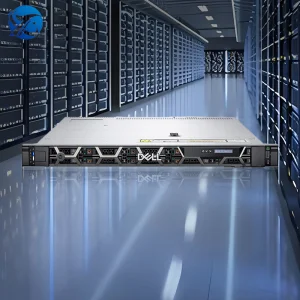
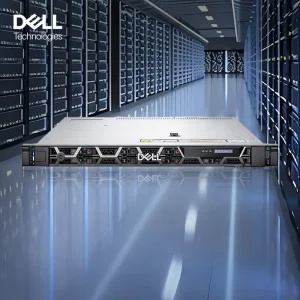
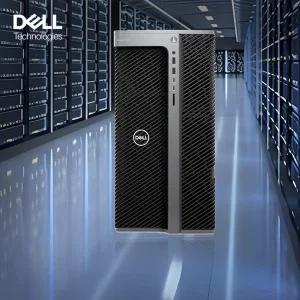
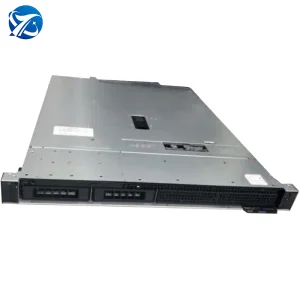
Browse our selection of specialized computing hardware, including space-saving 1U systems, quad-socket performance servers, and entry-level rack nodes.
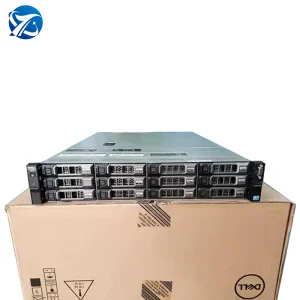
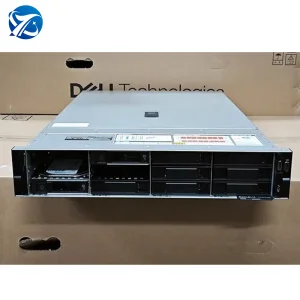
Our operations feature modern assembly stations, testing chambers, and design labs, helping to ensure high build quality across all computing nodes.
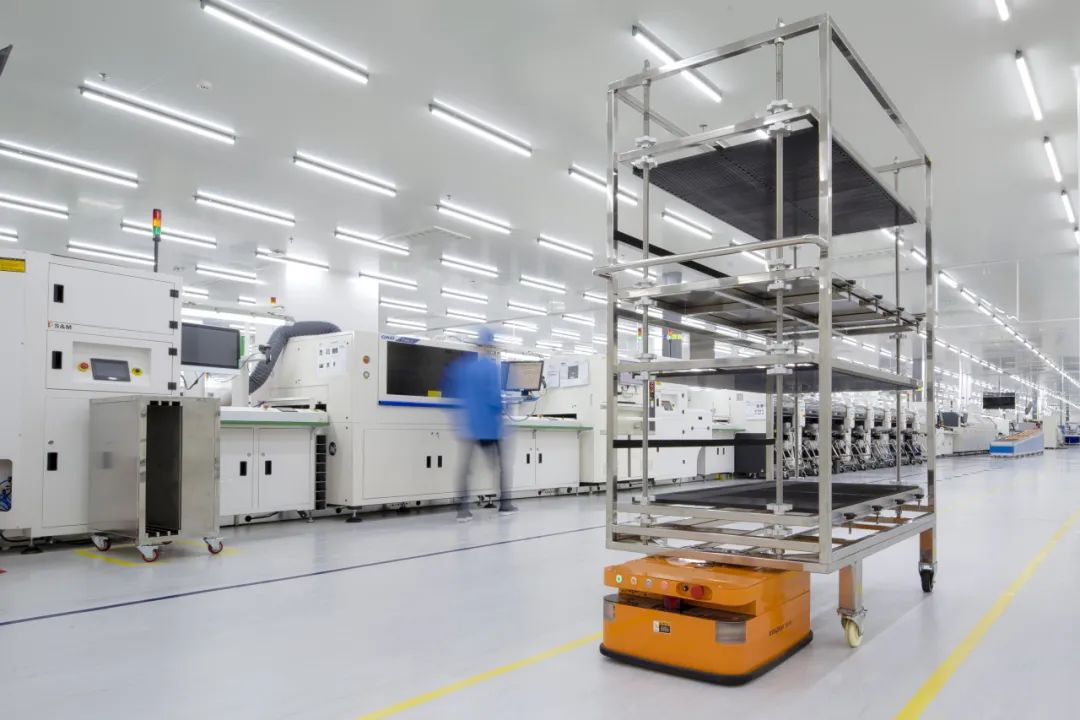
Figure 1: NexCore modern assembly workshop and automated hardware validation array.
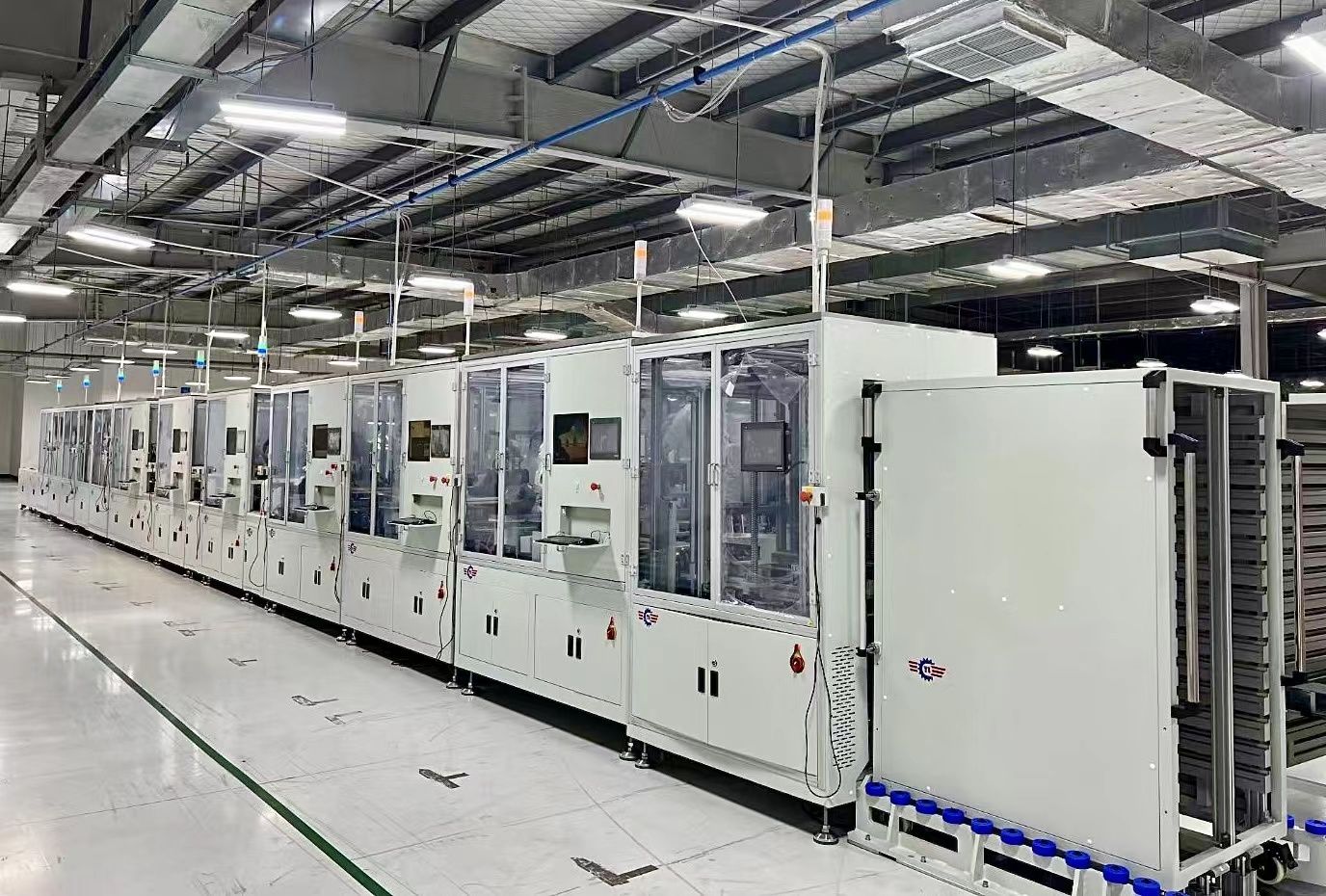
Figure 2: Quality verification and load stress test chamber.