NexCore
NexCore
NexCore
In the modern computational era, enterprise datacenters require architectures that are not only computationally dense but dynamically adaptable to AI, deep learning, and hyperscale workloads.
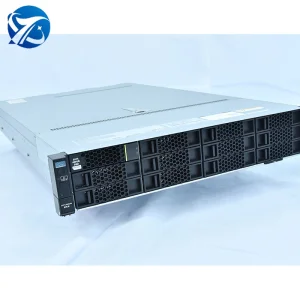
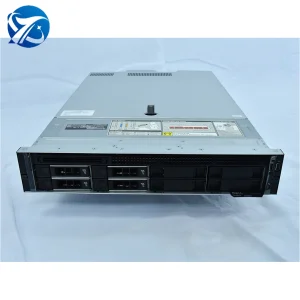
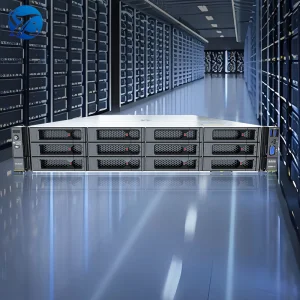
Lenovo has consistently maintained its position as a primary innovator in the enterprise server ecosystem. By engineering platforms like the Lenovo ThinkSystem series, they have established benchmarks in performance, reliability, and security. However, as global digital transformation drives compute density constraints, the demand for localized customization, procurement optimization, and advanced system integration has grown exponentially. This is where specialized Chinese manufacturers and strategic tier-1 integration suppliers play an invaluable role, acting as the critical link between standardized raw silicon technology and highly optimized, deployment-ready enterprise hardware configurations.
The global hardware ecosystem relies heavily on the integration of multiple architectures—ranging from high-end dual-socket Intel® Xeon® Scalable and AMD EPYC™ platforms to high-density PCIe GPU servers. Datacenters can no longer afford rigid, one-size-fits-all topologies. Systems must be fine-tuned at the BIOS, firmware, and physical chassis levels to match specific transactional databases, software-defined storage (SDS) clusters, or neural network pipelines. This macro-level industrial demand requires agility, supply chain resiliency, and profound thermal design capabilities.
Modern x86 server integration involves far more than simply populating a motherboard with memory modules and PCIe cards. Our engineering processes focus heavily on maximizing performance per watt and minimizing Total Cost of Ownership (TCO) for data centers globally. The custom server integration architecture relies on three primary pillars:
Integrating 80 Plus Titanium power supply units (PSUs) configured in dynamic redundant topologies (N+1 or N+N) to ensure continuous operation under peak GPU/CPU loads while minimizing electrical loss.
Hybrid air/liquid and direct-to-chip cooling loops designed to dissipate high heat loads from modern server hardware, eliminating thermal throttling and ensuring reliable enterprise uptimes.
Configuring high-bandwidth PCIe Gen 5 routing, CXL 2.0 expansions, and dual-port 400Gb/s InfiniBand connectors to support large-scale distributed training arrays without processing bottlenecks.
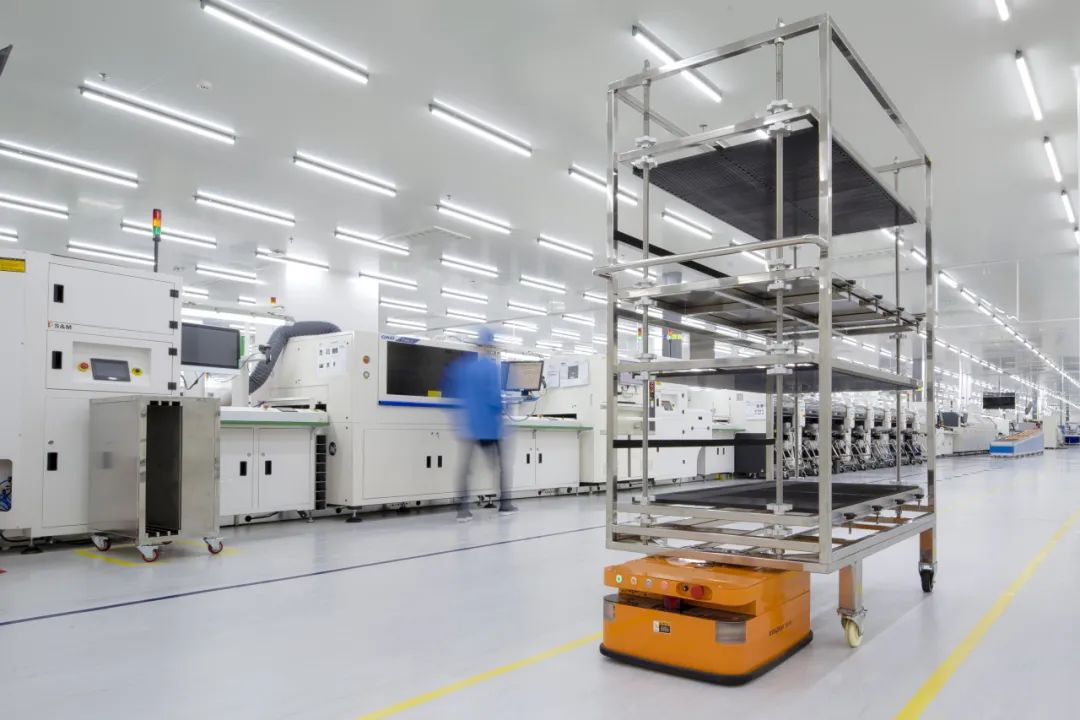
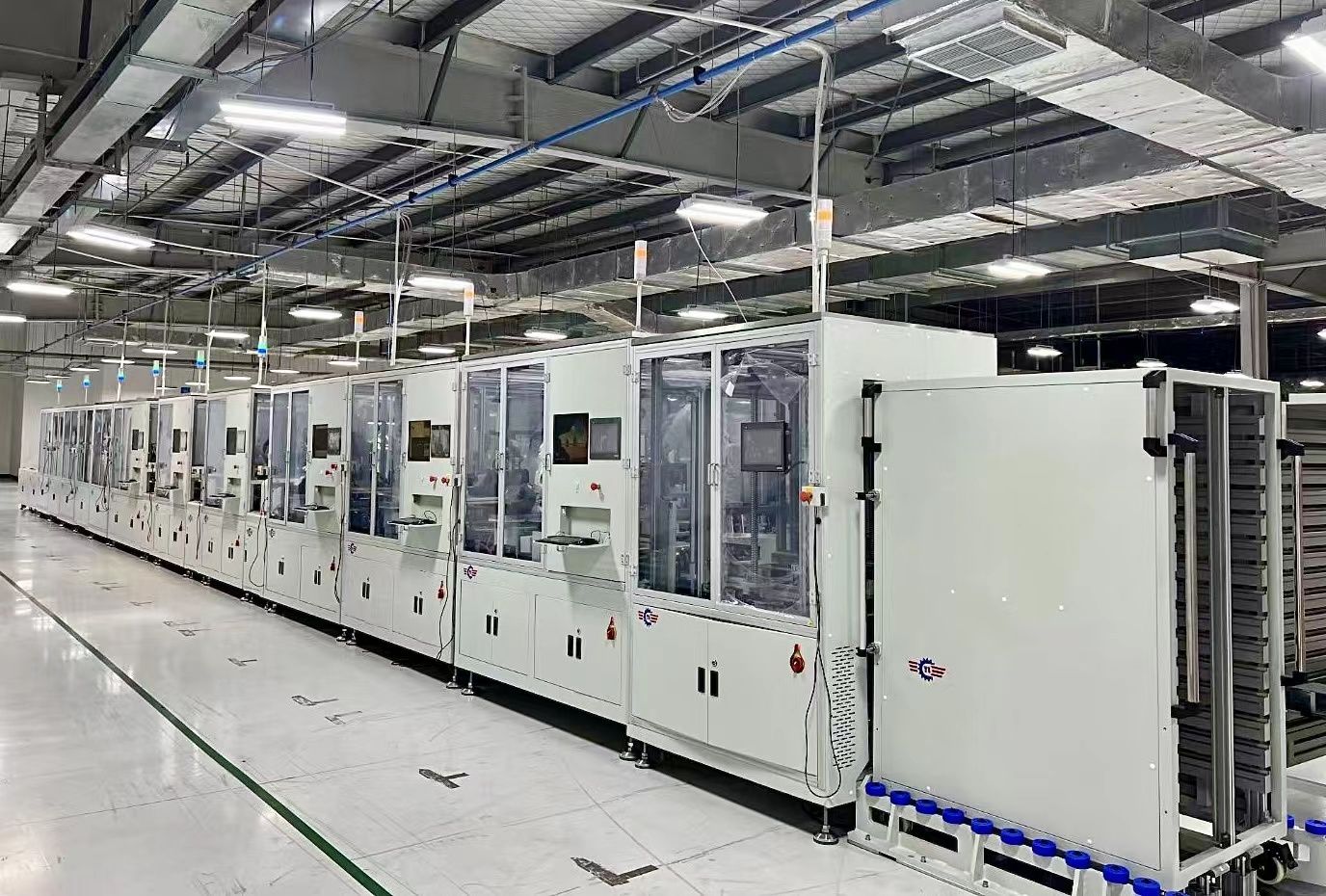
NexCore Intelligent Technology Co., Ltd. is a professional AI server manufacturer and solution provider established in 2017. Headquartered in Shenzhen, China, the company operates a modern production facility covering 386 square meters and specializes in the design, development, and manufacturing of high-performance GPU servers, AI training servers, AI inference systems, HPC servers, and customized computing infrastructure solutions.
NexCore maintains a strict quality management system with a dedicated team of 46 quality control personnel. All products undergo comprehensive testing procedures, including component inspection, system integration testing, thermal performance testing, burn-in testing, and final quality verification to ensure optimal performance and long-term reliability.
Our strategic position in Shenzhen allows us to collaborate with tier-1 hardware ecosystems. By establishing deep relations with primary semiconductor vendors, component suppliers, and system integrators, we guarantee stable hardware availability, even during global component shortages. Over the past year alone, our engineering team successfully launched 86 new products and solutions, ensuring that our clients are always equipped with state-of-the-art server solutions.
Enterprise datacenters require dynamic optimization depending on their primary software workloads. To maximize performance and ROI, hardware must be custom-tailored to the application stack. Here is how our hardware solutions scale across macro industries:
Configuring high-density GPU platforms (e.g. 8-way GPU servers with NVLink) to support massive distributed training tasks. By leveraging PCIe Gen 5 configurations, training times are significantly reduced.
Utilizing multi-socket high-density server configurations (such as 4-socket configurations) to run SAP HANA and heavy business database engines, assuring massive RAM capability and zero latency.
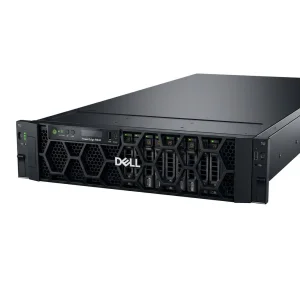
Deploying modular 1U and 2U nodes designed for virtualization, software-defined storage, and containerized architectures, offering optimal space density and network capability.
Shipping customized high-performance computing hardware across international borders demands comprehensive knowledge of trade regulations, safety compliance certifications, and localized customer support networks.
At NexCore, we ensure that every server we configure conforms to international market standards. This includes compliance certifications, electromagnetic compatibility verifications, and custom BIOS security integrations matching localized security frameworks.
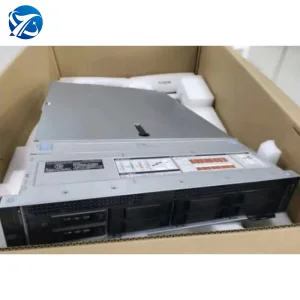
By partnering with regional logistics hubs and establishing strict transit-secure packaging standards, we maintain safe global delivery routes. Each unit is crated in industrial-grade shock-absorbent flight cases or double-reinforced wood boxes to prevent mechanical misalignment during air or sea freight.
The computing horizon is shifting. As AI workloads require greater power density and memory access bandwidths, we are actively developing and validating configurations centered on tomorrow's computing standards.
By implementing Compute Express Link (CXL) 3.0 fabrics, we allow dynamic resource sharing between host CPUs, GPUs, and high-performance network adaptors, virtually eliminating localized server latency issues.
Validating server boards built for PCIe 6.0 compatibility, offering twice the data rate compared to PCIe 5.0 systems. This ensures high-throughput interconnectivity for complex generative AI workloads.
Designing proprietary liquid-cooling manifolds that do not require building-wide secondary water systems. This enables standard datacenters to implement high-TDP processors without reconstructing their cooling loops.
Get answers to critical procurement, compatibility, and integration questions from our lead datacenter architect specialists.