NexCore
NexCore
NexCore
High-density computing servers engineered for hypervisor compatibility, massive I/O performance, and continuous operations in demanding data centers.
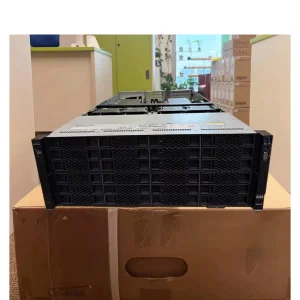
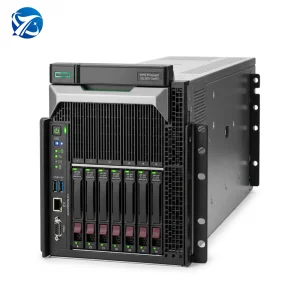
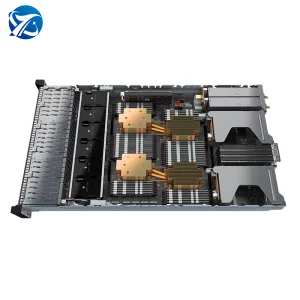
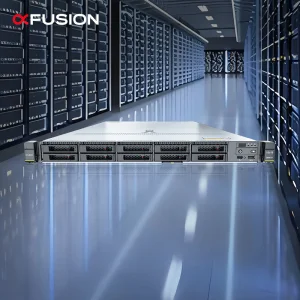
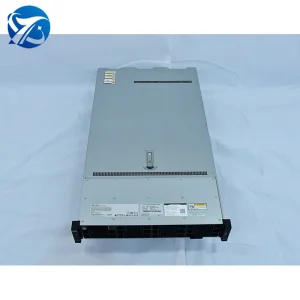
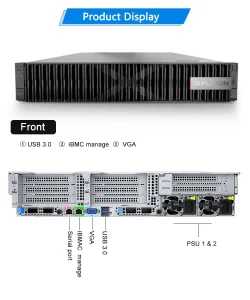
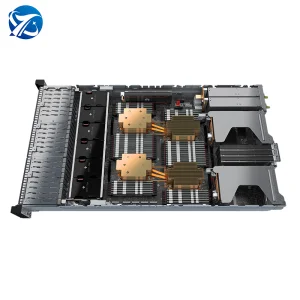
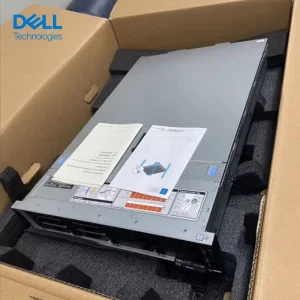
The paradigm of modern enterprise computing is defined by the rapid convergence of classic hardware virtualization and Artificial Intelligence (AI). Traditional virtualization was designed to maximize resource utilization by splitting single physical systems into multiple isolated virtual machines (VMs). Today, however, virtualization technologies have evolved into highly agile, hyper-converged systems running containerized, microservice-based orchestration platforms such as Kubernetes, Docker, and OpenShift.
With the rise of Large Language Models (LLMs) like Deepseek and massive generative AI architectures, computing demands are scaling exponentially. The dynamic allocation of compute power is no longer limited to CPU slicing. Modern virtualized setups demand vGPU (Virtual Graphics Processing Unit) partitioning, SR-IOV (Single Root I/O Virtualization) for low-latency networking, and high-performance NVMe storage pools. This shifting paradigm requires highly optimized physical hardware designed specifically to interface with hypervisors without introducing performance overhead bottlenecks.
At NexCore Intelligent Technology Co., Ltd., we sit at the intersection of this computational revolution. Since our establishment in 2017 in Shenzhen, China, we have continuously bridged the gap between raw compute power and hypervisor environments. By focusing on hardware configuration flexibility and optimized bios level virtualization settings, our platforms minimize hypervisor overhead, allowing virtual machines to access physical CPU and GPU cores at near bare-metal speeds.
Whether deploying high-performance enterprise workloads, containerized orchestration nodes, or scalable virtual desktop infrastructures (VDI), the requirement is clear: compute hardware must feature multi-core processor support (such as Intel Xeon 6th Generation platforms), dense memory capacities, and highly resilient storage systems.
Navigating complex infrastructure requirements, hardware-level security, and high reliability across international borders.
Global enterprises demand virtualization platforms that incorporate hardware-level security, such as Trusted Platform Modules (TPM 2.0), secure boot configurations, and virtualization-capable cryptography instructions (Intel SGX/AMD SEV). These secure enclaves ensure that virtual environments remain isolated from hypervisor vulnerability threats.
Virtualization density is directly constrained by memory limits. Modern platforms need DDR5 architectures with transfer speeds up to 6400MT/s, along with extensive DIMM slot arrays to enable high vm densities, lowering overall total cost of ownership (TCO) per virtual server instance.
Off-the-shelf solutions rarely match bespoke proprietary virtualization clusters. Organizations require flexible customization of chassis depth, backplane wiring configuration, cooling airflow layouts, custom brand silkscreening, and personalized bios settings to integrate into customized server racks.
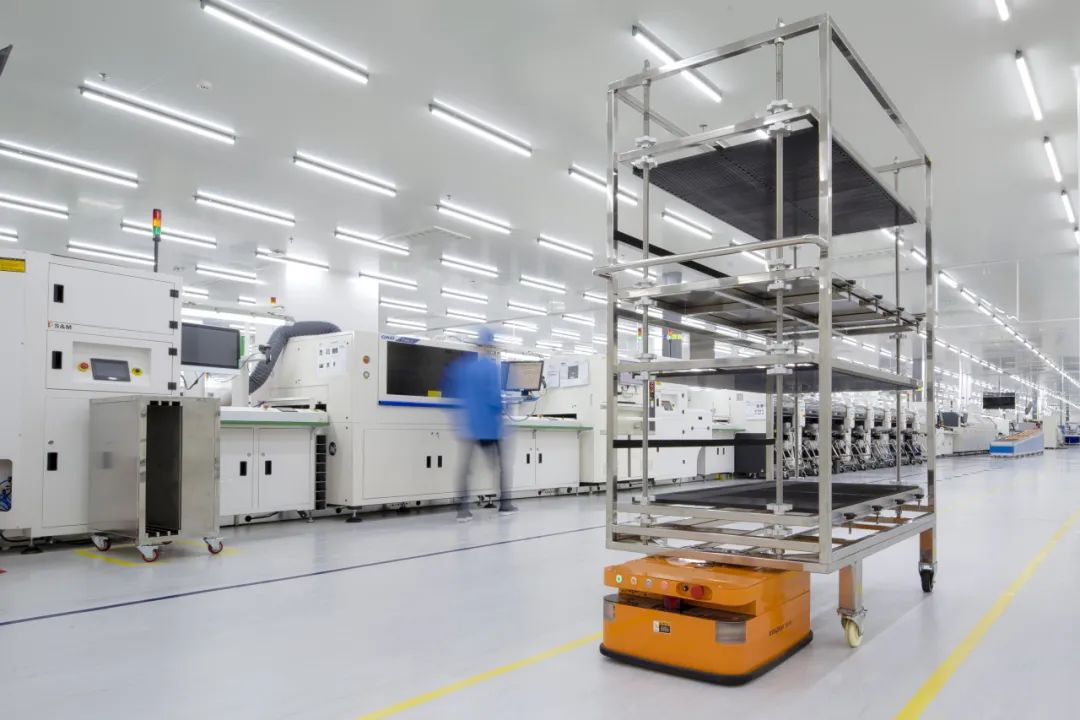
The global technology market requires more than just high-performance equipment; it demands uncompromising supply chain resilience. Operating from the heart of Shenzhen's tech industrial hub, NexCore utilizes China’s highly integrated Factory 4.0 electronic and semiconductor supply ecosystems.
With partnerships spanning over 1,250 certified component manufacturers, we guarantee consistent raw material access, sub-assembly production speed, and rapid response to global chip availability fluctuations. Our production facility is optimized for lean manufacturing and dynamic product assembly, allowing us to roll out customized rack server solutions with minimal delay.
This robust ecosystem explains our ability to launch 86 new systems and configuration options in just one year. Furthermore, we maintain a dedicated QA pipeline featuring 46 quality control experts overseeing component checking, thermal profiling, integration testing, and long-duration burn-in validation before shipment.
Analyzing how regional regulatory compliance, energy efficiency metrics, and hardware performance standards influence virtualization hardware layout.
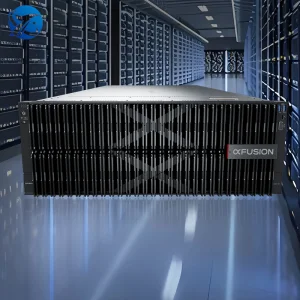
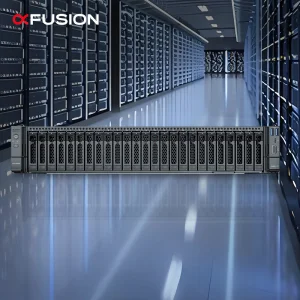
Hyper-scale operators across North America focus on density and virtualization efficiency to power massive cloud architectures. There is an urgent focus on high-efficiency, multi-GPU host platforms (such as the FusionServer V7 systems) running hyper-converged setups for Large Language Model tuning and Deep Learning workloads.
European Union directives place significant pressure on datacenter power efficiency metrics (PUE). Hardware selection pivots towards redundant Platinum/Titanium high-efficiency power supplies and advanced thermal profiles. Short-depth chassis layouts and highly integrated cooling pathways are essential to lower facility-level cooling costs.
Rapid industrialization and urbanization across Southeast Asia and the Middle East drive demand for localized virtualization nodes. Ruggedized computing servers, deployed outside centralized cloud facilities, manage real-time video analytics, manufacturing teleoperation, and smart utility management systems.
Answers to critical questions regarding hardware-level virtualization, customization, and hardware integration.
Virtual GPU (vGPU) technology allows multiple virtual machines to share a single physical GPU. By partitioning the GPU's memory and compute resources, multiple instances can execute workloads concurrently. This is highly cost-effective for inference operations and development labs. For massive LLM training, hypervisors must bypass virtualization layers using GPU Passthrough (Direct I/O) to avoid latency penalties.
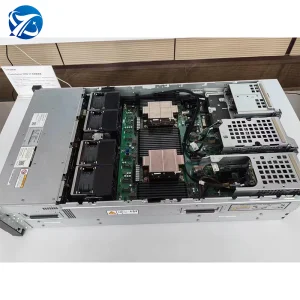
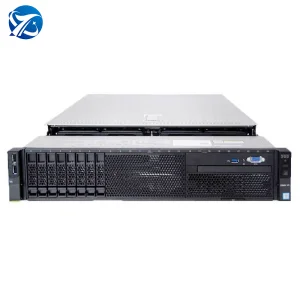
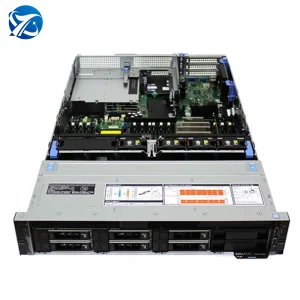
Hyper-Converged Infrastructures consolidate compute, storage, and networking into single, unified nodes. Dual-socket systems (such as the xFusion 2288H V7 or Dell PowerEdge R750) provide the computational density and PCIe lanes necessary to manage dense virtual storage networks (vSANs), ultra-fast network traffic routing, and core business application processing within a compact footprint.
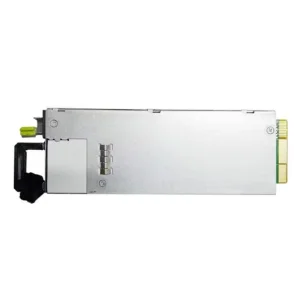
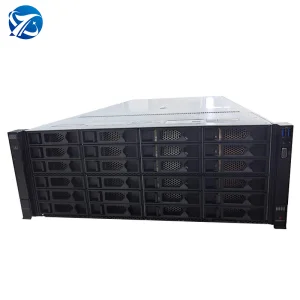
NexCore offers full architectural customization. This includes custom short-depth chassis design (critical for telecom edge frames), specialized drive backplanes (U.2, U.3, SAS, SATA, and NVMe mix), high-capacity redundant PSUs (up to 2000W), customized thermal management fan matrices, and customized BIOS settings (tailored for automated hypervisor installation, virtualization security features, and IPMI management).
Virtualization platforms run diverse workloads concurrently, competing for system memory bandwidth. Higher memory speeds allow faster read/write cycles, significantly reducing contention during database transactions, large-scale memory cache updates, and dynamic virtualization hypervisor overhead. High memory speed prevents memory-bound bottlenecks in dense deployment models.
Combining over 9 years of server manufacturing expertise and a global network of partners to build reliable, high-performance computing infrastructure.
At NexCore, quality is built directly into every stage of the manufacturing cycle. From inspecting bare motherboard component quality to verifying operating thermal parameters inside thermal chamber testing setups, our quality assurance protocols ensure field reliability.
Our 386 square meter production facility functions as a high-density configuration center. Supported by 128 hardware and software R&D engineers, we customize hardware solutions for top-tier systems like FusionServer, xFusion, HPE ProLiant, and Dell PowerEdge platforms.
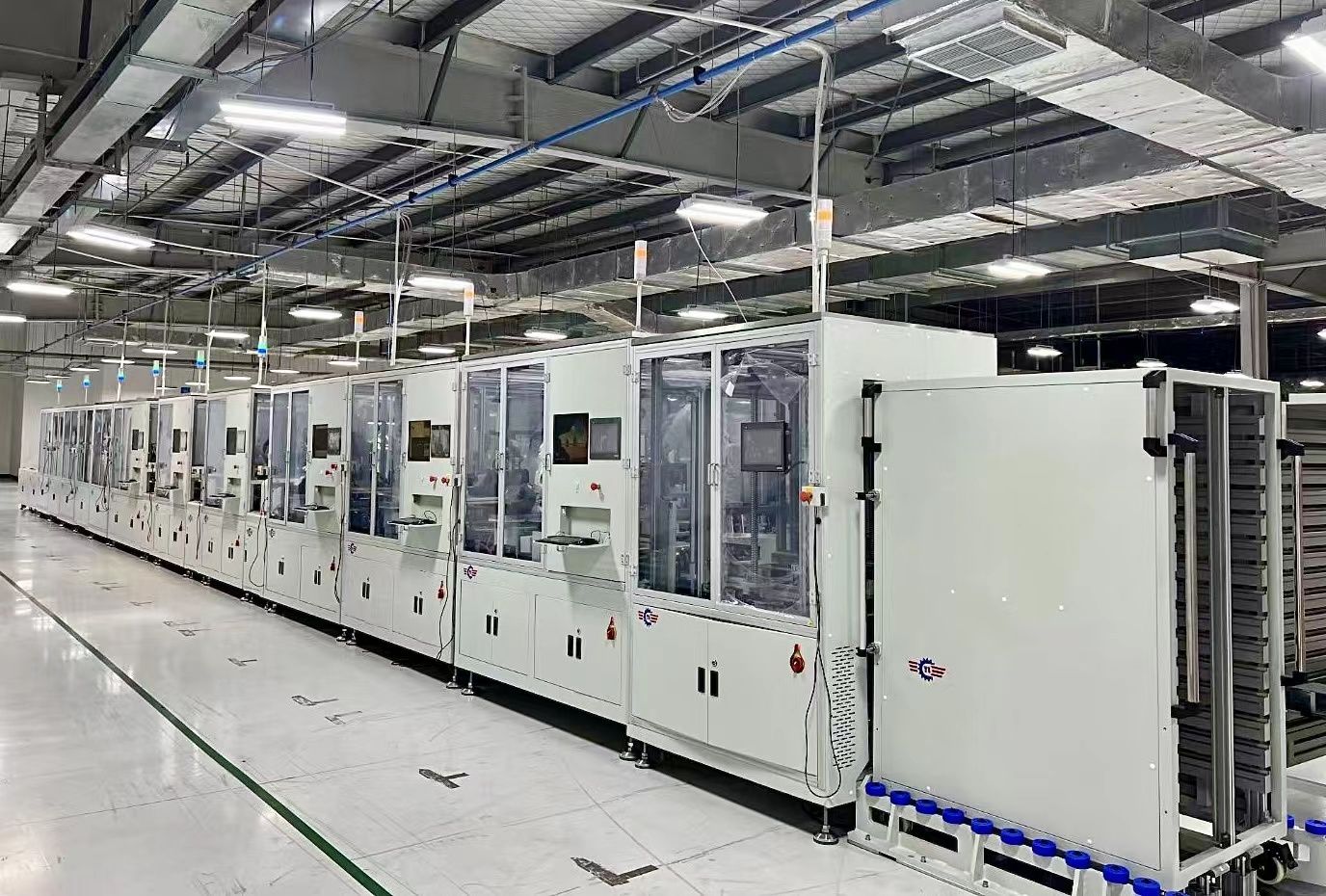
Scale out your computing capabilities with our highly reliable server chassis, robust power systems, and high-performance server hardware configurations.