NexCore
NexCore
NexCore
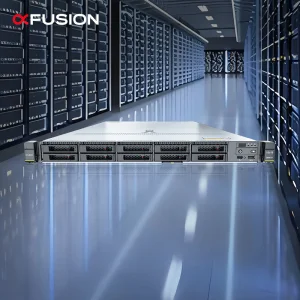
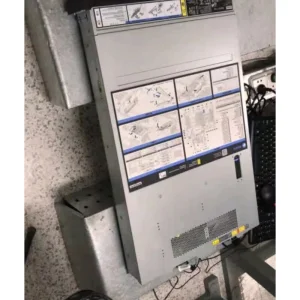
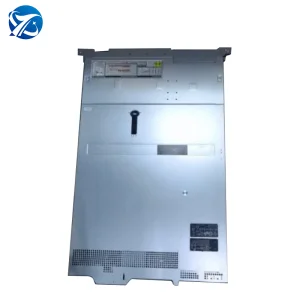
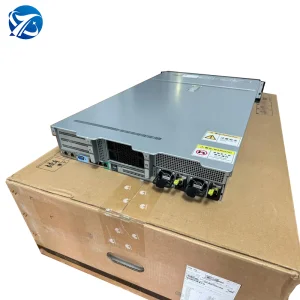
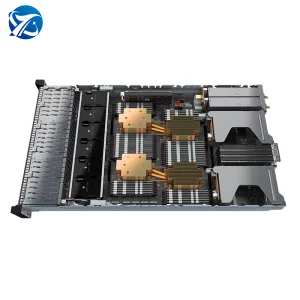
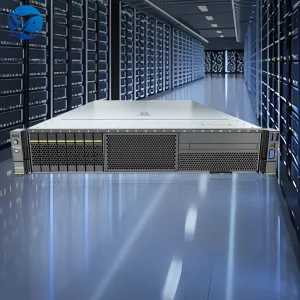
The global industrial landscape is experiencing an unprecedented convergence of Internet of Things (IoT) ecosystems and High-Performance Computing (HPC). As enterprise automation and smart infrastructure expand, the requirement for localized, low-latency data processing has elevated from standard sensor nodes to high-density Edge AI environments. Centralized cloud datacenters are no longer sufficient to handle the sheer volume and critical speed requirements of real-time industrial telemetry.
Processing real-time operational technology (OT) data locally via custom-built IoT servers to reduce transport latency and bypass wide-area network dependencies.
Incorporating DeepSeek and advanced tensor-processing units directly within physical IoT gateway topologies to enable zero-latency local artificial intelligence inference.
Hardening the supply chain at the silicon level, ensuring device identity validation, and deploying root-of-trust modules to defend critical infrastructure against cyber threats.
Modern corporate procurement groups have shifted their target metrics from simple unit-cost reductions to long-term reliability, hardware-software interoperability, and end-to-end customization. System integrators require hardware suppliers capable of modifying chassis architectures, thermal thresholds, and localized system protocols.
Enterprises demand configurations tailored to severe spatial limitations—such as 1U/2U rack units, short-depth server designs, or DIN-rail compliant field controllers.
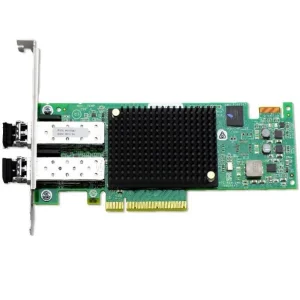
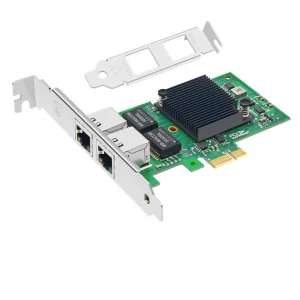
Requirement for diversified communication interfaces, including multi-port 32GB FC HBA networking, SFP28+ optical transceivers, and seamless LTE/5G failovers.
Industrial and data center clients rely on guaranteed parts availability (PSUs, fans, micro-controllers) and long-term diagnostic support over a 7-to-10-year period.
Operating from the heart of the global electronics industry in Shenzhen, NexCore exemplifies the efficiency of China Industry 4.0. By leveraging a localized network of component manufacturers and maintaining relationships with over 1,250 verified supply chain partners, we bridge the gap between design engineering and fast, high-volume production.
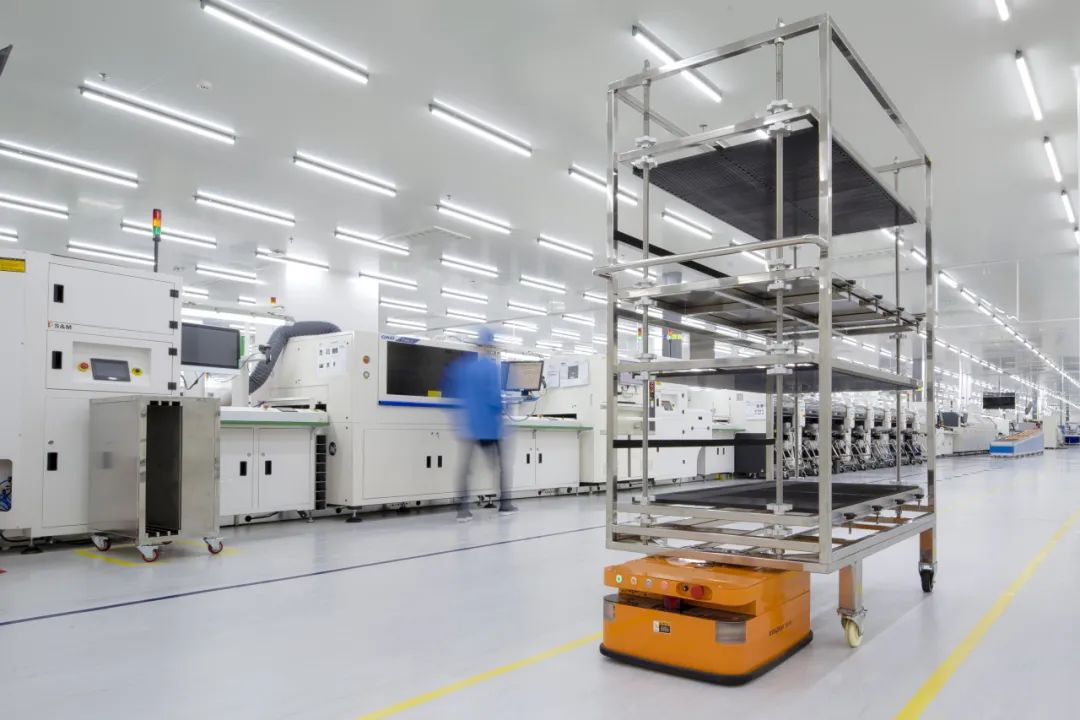
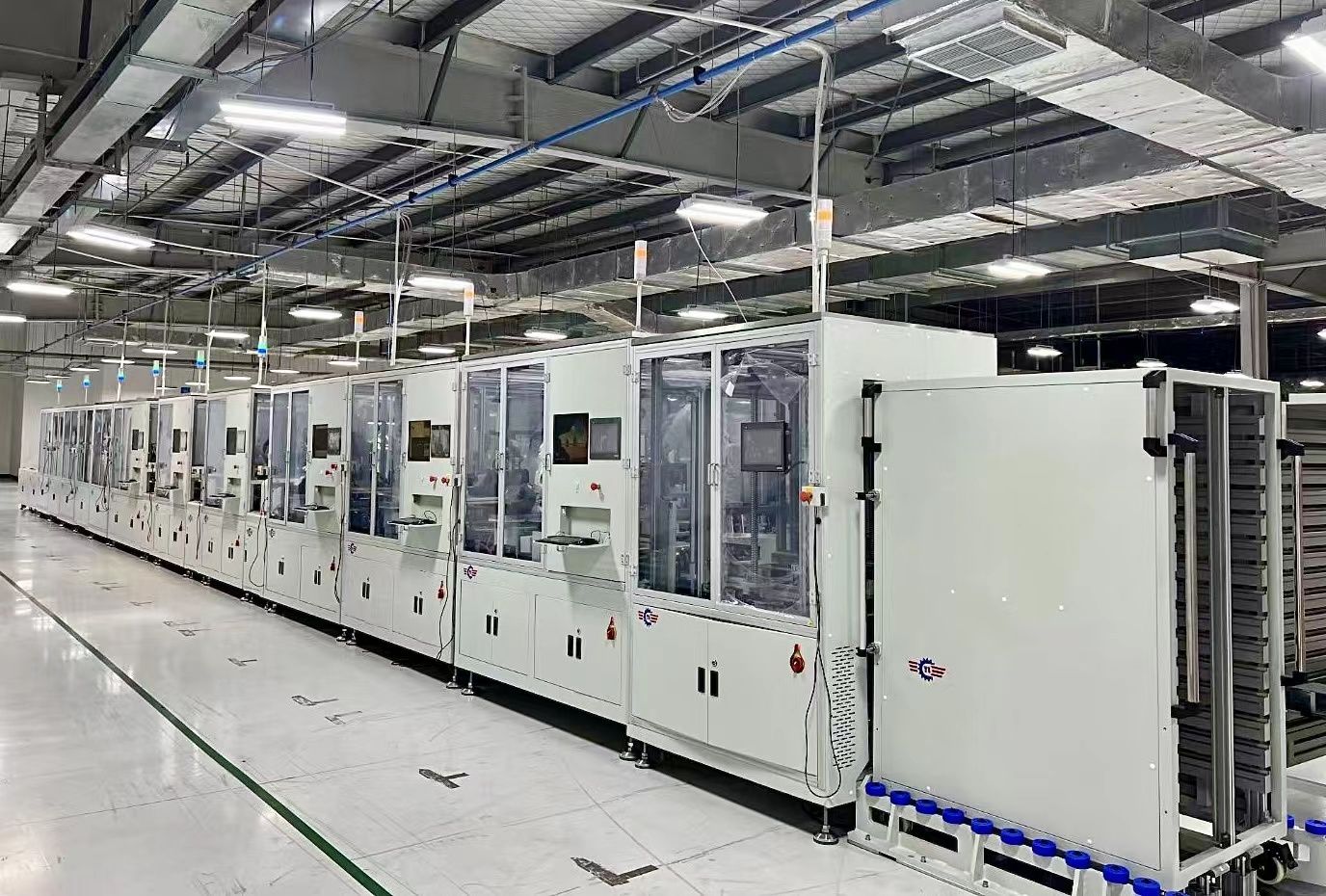
Our factory leverages automated testing arrays and optimized assembly lines, allowing us to pivot from prototyping to full production runs. This flexibility helps system integrators rapidly adapt to dynamic project timelines.
Our dedicated 46-person quality control department enforces a multi-phase validation protocol. This includes automated optical inspection (AOI), thermal chamber cycling, and full-load burn-in tests to guarantee 100% field reliability.
From heavy manufacturing plants to dense smart-city networks, edge IoT infrastructure acts as the essential connection between physical instrumentation and central business intelligence.
Edge nodes process high-frequency acoustic and vibration sensor data, diagnosing motor fatigue and scheduling maintenance before mechanical failures occur.
High-speed servers process telemetry across thousands of power distribution points, balancing load shifts and managing renewable generation inputs in real time.
Integrating real-time location services, thermal monitoring, and automated inventory systems within transport networks to improve visibility and control.
To build a reliable IoT network, organizations need to partition workloads efficiently across three distinct tiers. By balancing resources between local nodes, intermediate gateways, and centralized clouds, businesses can avoid data bottlenecks and minimize operational latency.
Localized microcontrollers, actuators, and sensor arrays gather raw operational data directly from machinery, environmental monitors, and remote field hardware.
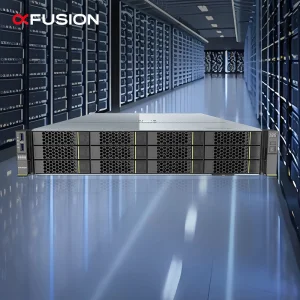
Custom 1U/2U server platforms collect localized data streams, filter noise, run inference routines, and host primary control loops to keep operations running smoothly.
Aggregated data moves to high-density GPU computing clusters to retrain AI models, analyze macro trends, and manage long-term archiving needs.
We offer hardware customization options to fit specific project needs, including specialized chassis layouts (such as ultra-short depth or dust-resistant cases), custom CPU and GPU configurations, tailor-made storage schemes (HDD, SSD, NVMe, NAS), customized port configurations (fiber interfaces, network interface cards, HBAs), and custom branding/BIOS modifications.
Our procurement team coordinates with over 1,250 suppliers to source premium grade components. By maintaining raw material inventory and using standardized, multi-source designs, we minimize supply disruptions and keep projects on schedule.
Every device goes through a comprehensive series of testing stages before shipment. This includes incoming quality checks on components, post-assembly automated functional testing, thermal stress testing inside environmental chambers, and full-load burn-in runs to ensure system stability under constant operation.
Yes, our servers support multi-GPU setups from leading chipmakers and are fully compatible with frameworks used for training and deploying large language models, machine vision, and real-time inference applications.
To handle dense data flows, we support high-speed network configurations like 32Gb/s Fiber Channel HBA adapters, dual-port LC SFP28+ transceivers, standard Gigabit Ethernet, and scalable PCIe expansion slots for custom communication modules.
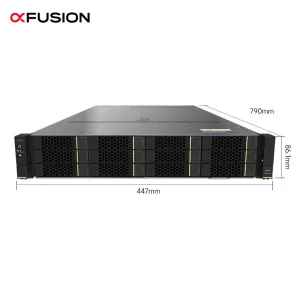
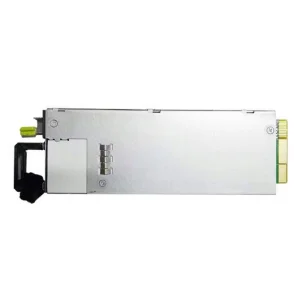
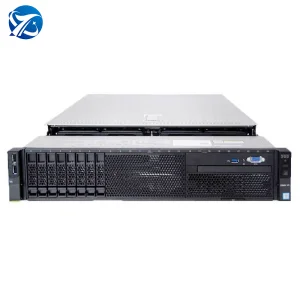
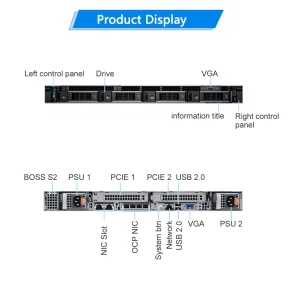
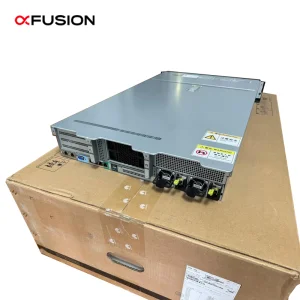
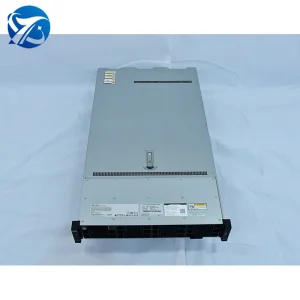
Established in 2017, headquarted in Shenzhen, China, NexCore Intelligent Technology Co., Ltd. is a dedicated manufacturer of AI server solutions and computing infrastructure. The company operates a modern facility specializing in high-performance GPU systems, Edge AI nodes, and enterprise-grade cloud server designs.
With over 9 years of industry experience and 6 years of international market presence, NexCore delivers reliable computing hardware to customers across North America, Europe, Southeast Asia, the Middle East, and Oceania, achieving an annual export revenue of approximately USD 18 million.
Our in-house R&D team of 128 engineers focuses on thermal efficiency, structural layout, and physical interface performance. This background enables us to deliver tailored ODM/OEM server platforms designed to meet the real-world operational requirements of our partners.