NexCore
NexCore
NexCore
Explore our premier tier of enterprise-grade GPU servers, rack infrastructure, and auxiliary power units engineered for heavy AI workloads and inference systems.
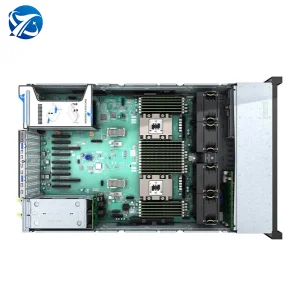
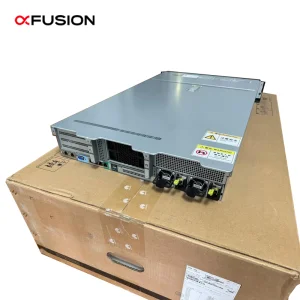
Architecting tomorrow's compute infrastructure today through rigid engineering standards, global supply orchestration, and optimized deep learning hardware integration.
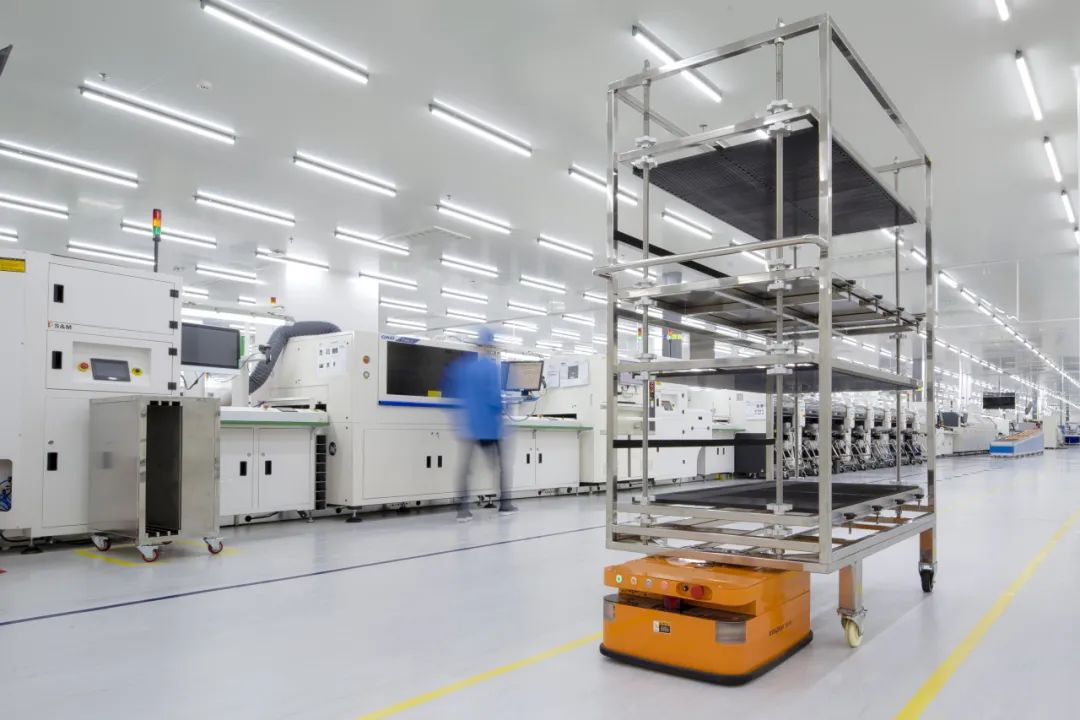
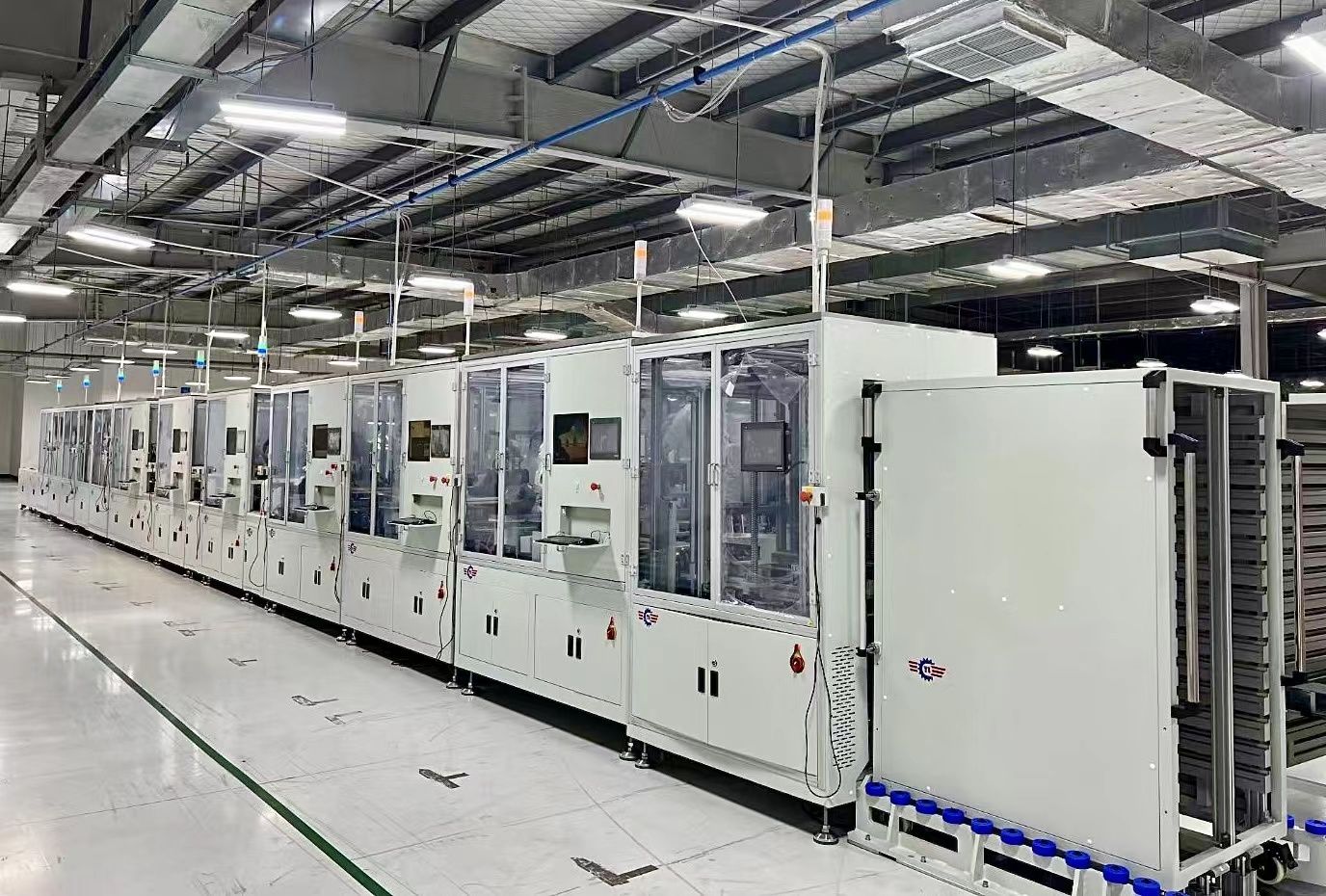
NexCore Intelligent Technology Co., Ltd. stands as a premier flagship pioneer among China’s tier-one AI server manufacturers and enterprise infrastructure solution providers. Established in 2017 in the technological innovation hub of Shenzhen, China, NexCore operates an advanced, highly specialized production facility optimized for assembling, testing, and stress-validating high-density GPU servers, AI training modules, edge inference devices, and massive High-Performance Computing (HPC) server racks.
With over 9 years of deep technical domain expertise and 6 years of international trade operations, NexCore has established a formidable global footprint across North America, Europe, Southeast Asia, the Middle East, and Oceania. Generating over USD 18 million in annual export revenue, the enterprise bridges the critical gap between raw silicon capabilities and real-world industrial AI applications, catering directly to enterprise IT buyers, cloud service providers, system integrators, data center operators, and AI research institutions.
Supported by a robust workforce including a 46-member strict Quality Assurance (QA) team and 128 server architecture engineers, NexCore continually pushes the limits of thermal dissipation, high-voltage direct current (HVDC) power architecture, and optimized PCIe fabric design—deploying over 86 new enterprise product configurations annually.
The global convergence of Large Language Models (LLMs), Computer Vision, and Predictive Analytics requires a fundamental shift in data center architecture.
The global enterprise shift toward local parameter fine-tuning—exemplified by open-weight model architectures such as DeepSeek-R1, DeepSeek-V3, and Llama 3—demands low-latency, multi-GPU interconnectivity. Standard cloud infrastructure often imposes unsustainable operating expenses for continuous high-throughput inference. Industrial enterprises are increasingly opting for on-premises 2U and 4U multi-socket servers equipped with high-speed PCIe 5.0 channels and dedicated AI accelerators to maintain complete data sovereignty and microsecond-level query latencies.
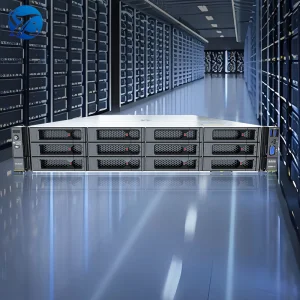
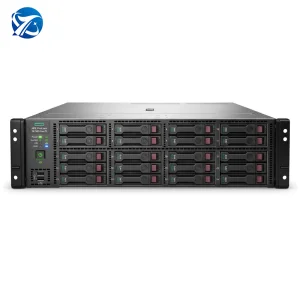
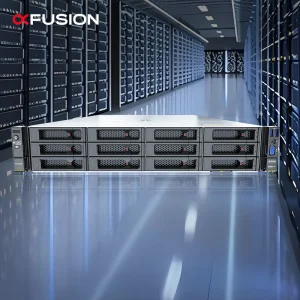
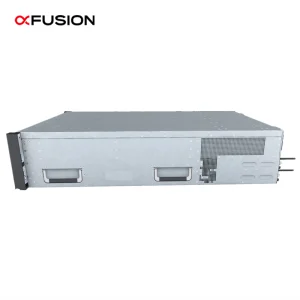
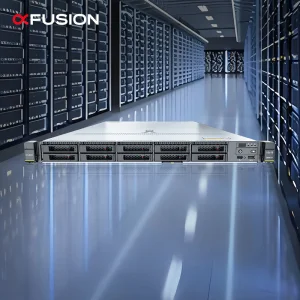
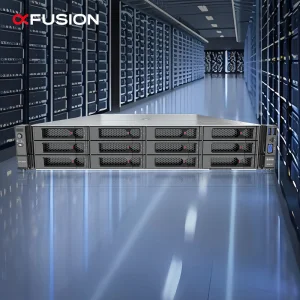
Smart manufacturing plants require local computer vision pipelines for automated optical inspection (AOI), predictive machinery maintenance, and robotic spatial awareness. Hardware deployed in these environments must withstand operational thermal variances while delivering consistent FP16/INT8 compute operations. Multi-drive rack servers like the xFusion 2288H series paired with enterprise SAS RAID controllers provide the high IOPS storage throughput required to feed multi-camera live video feeds into deep learning models without frame drops.
Why leading global institutions source high-performance AI computing hardware directly from Shenzhen's tech manufacturing ecosystem.
Direct proximity to top-tier component fabrication plants allows rapid assembly, custom PCB layouts, backplane modification, and zero-delay hardware replacement sourcing.
With 128 modular R&D specialists, chassis modifications, custom liquid-cooling block integrations, and specialized power distribution systems move from design to validation in days.
46 dedicated quality engineers enforce 100% multi-stage testing, including component-level inspections, 72-hour full-load thermal burn-in, and full memory stress diagnostics.
Mapping enterprise workloads directly to optimal platform configurations to maximize compute efficiency and lower Total Cost of Ownership (TCO).
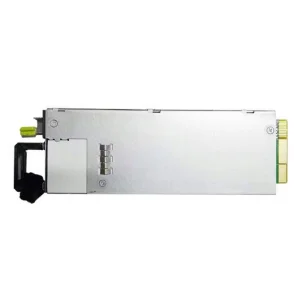
Hosting multi-billion parameter language models locally requires severe throughput capabilities. Systems like the FusionServer G5200 V7 and xFusion 2488H V7 provide multi-socket Intel Xeon scalability alongside dense GPU expansion slots. Combined with high-efficiency HVDC 1500W Power Supply Modules, these nodes guarantee stable operation under continuous compute loads, preventing voltage drops during peak inference spikes.
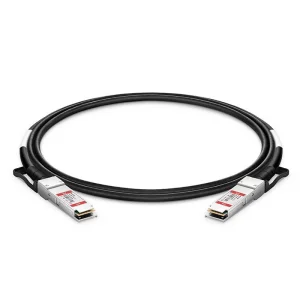
Financial institutions operating automated trading algorithms require sub-millisecond network transfers and lightning-fast drive access. Integrating high-speed QSFP+ 10G Direct-Attach Copper (DAC) Cables ensures zero-loss server-to-switch communication, while 9540-8i RAID PCIe 4.0 Controller Cards enable ultra-fast write operations for financial log audit trails across localized SAS/NVMe arrays.
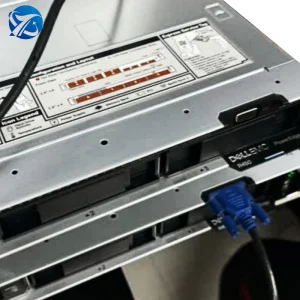
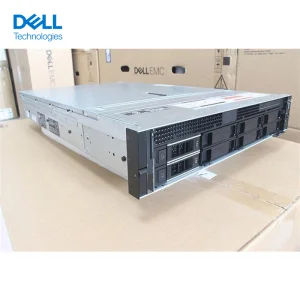
Analyzing high-resolution 3D medical images (CT/MRI scans) alongside whole-genome alignment algorithms demands high virtual memory density and CPU-GPU bandwidth. The HPE ProLiant DL380 Gen11 and Dell PowerEdge R670 offer balanced resource allocation, allowing enterprise hospital networks to safely run diagnostics locally without violating patient privacy mandates.
Tailoring compute hardware to precise customer requirements—from rack chassis branding to custom firmware, memory timings, and specialized thermal configurations.
Key technological innovations shaping the next decade of enterprise data center hardware.
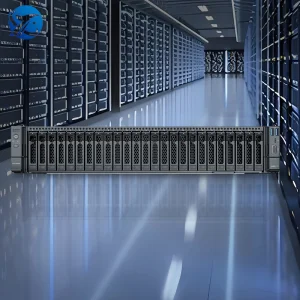
As thermal design power (TDP) for CPUs and GPUs exceeds 500W per chip, traditional air cooling reaches its physical limits. Liquid-to-chip direct cooling systems will become standard across 2U/4U AI data clusters to maintain target PUE below 1.15.
Compute Express Link (CXL) technology will revolutionize memory pooling, allowing servers to share unified RAM pools across nodes with minimal latency, unlocking unprecedented capabilities for massive generative AI models.
Transitioning data centers to High-Voltage Direct Current (HVDC) power supplies (such as 1500W modules) eliminates unnecessary AC-to-DC conversion cycles, significantly reducing thermal losses and overall electrical grid strain.
Technical and procurement insights for enterprise system architects and procurement officers.
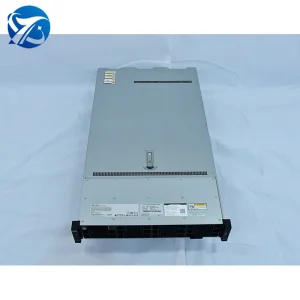
Explore our expanded inventory of enterprise storage controllers, 4-socket computing servers, and high-density GPU chassis options.
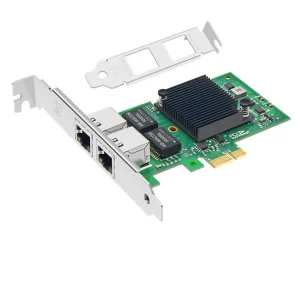
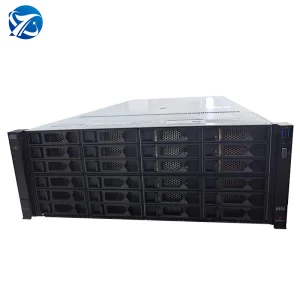
Transparent insight into our Shenzhen manufacturing center, system integration lines, and burn-in testing environment.