NexCore
NexCore
NexCore
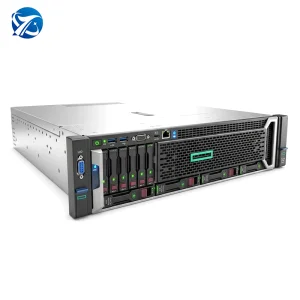
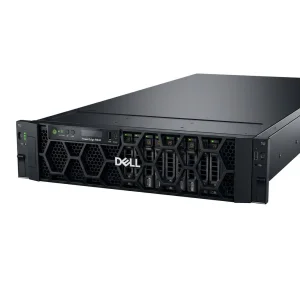
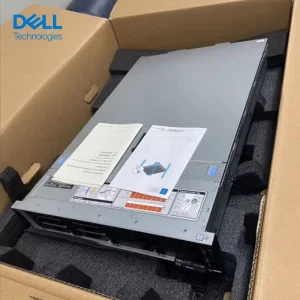
In the rapidly changing landscape of global information technology, server infrastructure forms the backbone of all modern digital transformation. The integration of high-performance computing (HPC), artificial intelligence (AI), and massive data analytics has accelerated the demand for robust, reliable, and compliant computing systems. Enterprise buyers must navigate complex compliance ecosystems when procuring hardware, particularly when integrating systems like Inspur Servers, xFusion, Dell PowerEdge, and custom-engineered GPU systems. This whitepaper analyzes the pivotal role of CE certification (Conformité Européenne) in server manufacturing, the operational strengths of leading suppliers like NexCore Intelligent Technology Co., Ltd., and the macro-economic and engineering standards that shape global procurement.
CE certification is not merely a legal requirement for entering the European Economic Area (EEA); it serves as a globally recognized benchmark for product safety, electromagnetic compatibility (EMC), and environmental sustainability. For enterprise IT architectures hosting AI models—such as the emerging DeepSeek models, LLMs (Large Language Models), and real-time edge inference systems—a CE-certified server guarantees that the hardware complies with strict directives covering low voltage operations, thermal thresholds, and radio frequency interference limits.
CE certification serves as the manufacturer's declaration that the server complies with the essential requirements of the relevant European health, safety, and environmental protection legislation. For high-density hardware platforms, including Inspur rack servers and hyperconverged infrastructure systems, certification is split into several critical regulatory directives:
Compliance with Directive 2014/30/EU ensures that the server does not emit excessive radio frequency interference that could disrupt neighboring network apparatus, and has sufficient immunity to run smoothly in environments with high electrical noise.
Directive 2014/35/EU mandates that electrical hardware operating within specific voltage ranges (50–1000V AC or 75–1500V DC) protects operators and facility managers from electrical shocks, insulation failures, and thermal hazards.
Restricting hazardous substances (RoHS) ensures that materials like lead, cadmium, and mercury are minimized. The Ecodesign Directive (2009/125/EC) focuses on energy efficiency, standby power reduction, and power supply unit (PSU) performance thresholds.
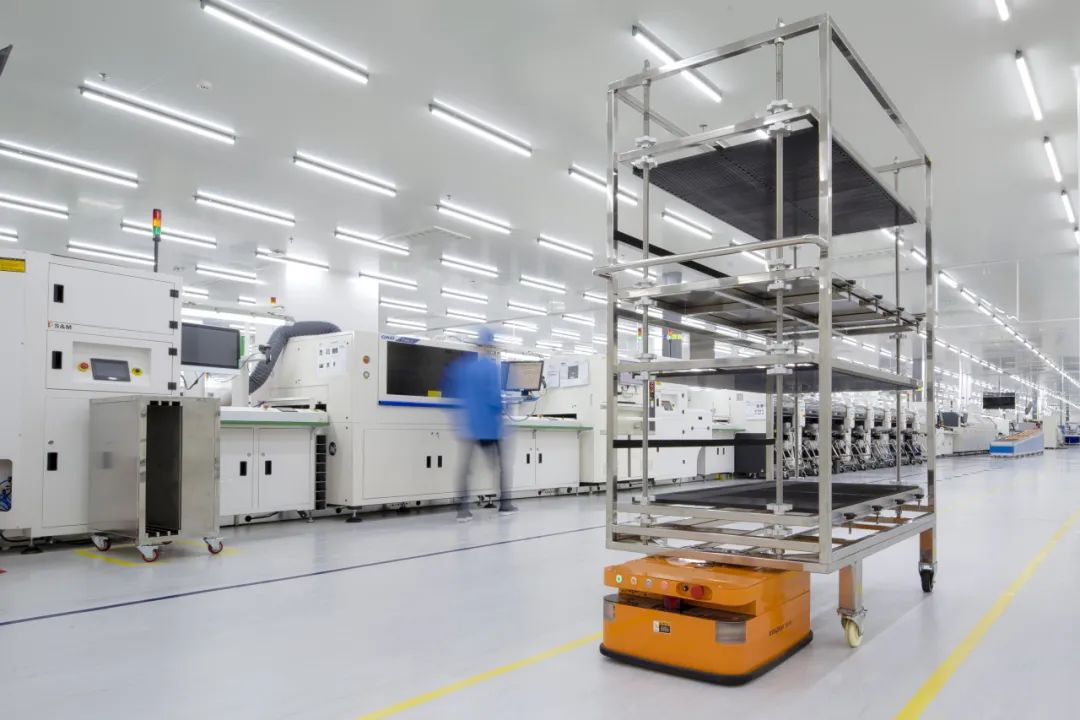
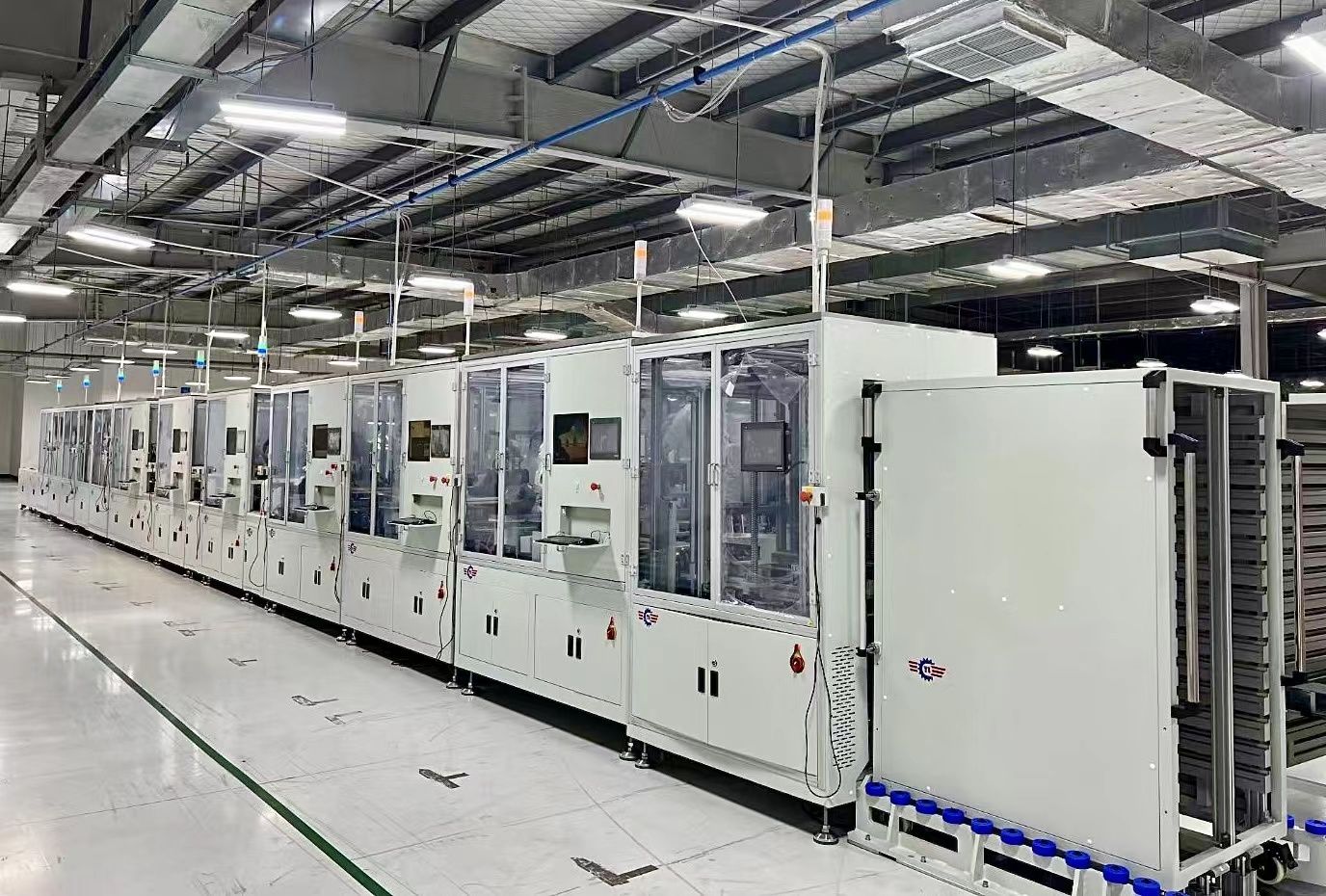
When searching for an Inspur server factory or supplier, compliance must be verified at every tier of the supply chain. Certified factories utilize state-of-the-art testing equipment to confirm compliance with these directives. For example, during component inspection and final system integration testing, electrical leakage, ground bond continuity, and insulation resistance are measured under rigorous load conditions. NexCore Intelligent Technology Co., Ltd., headquarted in Shenzhen, applies these exact testing standards across all its customized systems, verifying thermal stability and electromagnetic footprints before export.
Established in 2017 in Shenzhen, China, NexCore Intelligent Technology Co., Ltd. has grown to become a premier designer, manufacturer, and solution provider of high-performance GPU systems, AI training servers, and customized enterprise infrastructures. Drawing on 9+ years of industry experience and 6+ years of export experience, NexCore has established a solid operational footprint that bridges international manufacturing capabilities with tailored enterprise designs.
The manufacturing and quality assurance framework at NexCore includes:
With an annual export revenue of approximately USD 18 million, NexCore serves primary client groups across North America, Europe, Southeast Asia, the Middle East, and Oceania.
An in-house R&D team of 128 experienced engineers designs server architectures, optimizes thermal airflow, integrates GPUs, and builds solid infrastructure, developing 86 new products last year alone.
A dedicated group of 46 quality control professionals manages component testing, system integration, thermal testing, burn-in processes, and final quality checks.
NexCore's procurement power is backed by a supply chain of more than 1,250 partners, enabling reliable component sourcing and predictable assembly timelines. Whether configuring barebone chassis or deploying fully integrated rack systems equipped with next-gen components, the company aligns its production processes with international quality standards.
Enterprise workloads require hardware architectures tailored for specific compute challenges. Below, we compare typical chassis dimensions, processing limits, and cooling specifications commonly requested by cloud providers and HPC datacenters.
| Architecture & Form Factor | Processor Compatibility | GPU Configuration Capacity | Thermal & Cooling Spec | Target Applications |
|---|---|---|---|---|
| 1U High-Density Rackmount (e.g., DL360 Gen12, 1288H V7) | Dual Intel Xeon Scalable or AMD EPYC (up to 144 Cores) | Up to 3 Single-Width GPUs or PCIe Edge Cards | Redundant High-RPM Counter-Rotating Fans (Air Cooling) | Edge AI Inference, Web Server Clustering, Virtualization, HPC Compute Nodes |
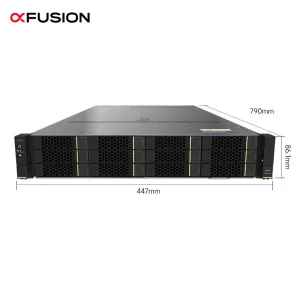
| 2U Balanced Mainstream (e.g., 2288H V7, PowerEdge R670) | Dual Intel Xeon (up to 6400MT/s DDR5 Memory) | Up to 4 Double-Width GPUs or High-Performance Accel Cards | Dynamic Speed Control Fan Modules, optional Liquid Cooling Loops | Deep Learning Inference, Enterprise Database Management, Virtualized Storage |
| 4U/8U AI Training Server (Custom GPU Systems) | Dual-Socket High-TDP Processors with PCIe Gen5 / CXL Support | 8x NVIDIA HGX / OAM GPU topologies with NVLink interconnects | Dual-Loop liquid-to-air cooling or high-flow enterprise liquid cold plates | Large Language Model (LLM) Training, Complex Deep Learning, DeepSeek Local Training |
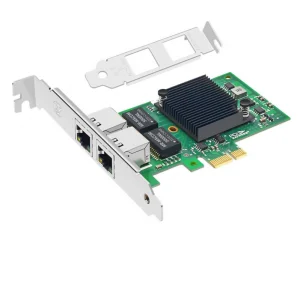
A key component highlighted in modern configurations is the XP270-M2- (SAS3808 BootCard) - M2 RAID Standard Card. This low-profile boot card is designed without cache to provide direct, low-latency RAID 0, 1, and JBOD configurations. It supports Edge Band Management, allowing data center operators to monitor drive health, temperature, and wear levels out-of-band. This component helps isolate boot-critical OS paths from the primary NVMe and SAS storage arrays, improving overall system MTBF (Mean Time Between Failures) and simplifying system deployment.
Procuring IT infrastructure on a global scale requires managing import/export restrictions, hardware compatibility, and localized compliance. Enterprises in Europe require CE markings, while North American buyers often look for UL/FCC certifications, and Asian data centers prioritize CCC and VCCI compliance. Top-tier server suppliers like NexCore address these requirements by providing certified barebone servers that can be tailored to regional technical standards.
Supply chain resilience is another critical factor. Working with a supplier that maintains long-term relationships with component manufacturers—including memory, SSD, chassis, and GPU suppliers—helps mitigate risks related to silicon shortages. By leveraging its network of over 1,250 partners, NexCore provides predictable lead times and steady production capabilities. This is particularly valuable for enterprises scaling GPU-dense environments, where delays in sourcing specific components like PCIe Gen 5 cables or specialized power distribution units (PDUs) can impact project timelines.
We ensure all storage controllers, NICs, and processors match factory specs to eliminate firmware and hardware conflicts.
From silkscreen logo branding and customized front bezels to custom BIOS settings, we adapt systems to match unique enterprise branding.
We pre-test configurations to meet the safety requirements of target regions, helping streamline import clearance.
Different industries require different computing architectures. Enterprise IT systems must balance computational throughput against local power and thermal constraints:
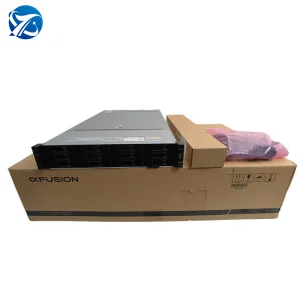
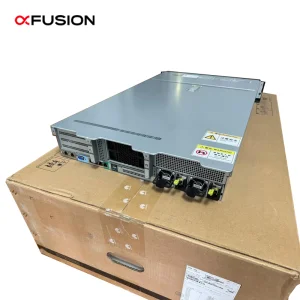
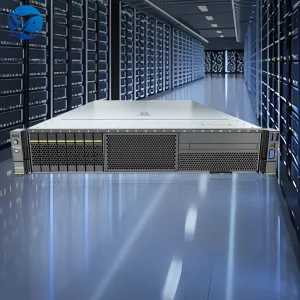
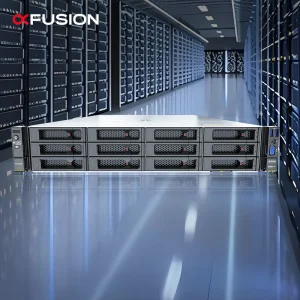
AI model finetuning and deployment, such as running local instances of DeepSeek-R1 or Llama-3, require high memory bandwidth and fast inter-GPU communication. Servers like the xFusion 2258 V7 or custom multi-GPU rack systems configured by NexCore provide the necessary PCIe lanes and cooling capabilities to support sustained GPU workloads.
Academic institutions and research facilities rely on parallel processing systems that run compute-intensive simulations. These workloads require high-core-count processors, such as the 144-Core Intel Xeon 6 series, combined with low-latency networking interfaces like InfiniBand or 400GbE NICs to prevent bottlenecks during inter-node data exchange.
Modern enterprise data centers utilize virtualization to maximize hardware utilization. Systems like the FusionServer 2488H V5 4-Socket server allow IT managers to run multiple virtual machines on a single physical host, consolidating compute resources and reducing overall rack footprint.
As processors and accelerator cards increase in TDP (Thermal Design Power), cooling has become a primary design challenge for modern data centers. Standard air cooling methods are reaching their physical limits, particularly in dense configurations where rack power density exceeds 30kW.
To address this, server manufacturers are developing hybrid thermal management solutions. Direct-to-chip (D2C) liquid cooling brings liquid coolants directly to the processor's cold plate, carrying heat away from CPU and GPU dies more efficiently than traditional copper heat sinks. Additionally, variable-speed fan configurations and optimized internal air duct designs help maintain consistent airflow across memory DIMMs and storage backplanes, reducing fan power consumption and improving overall Power Usage Effectiveness (PUE).
NexCore's engineering team conducts thermal simulation and physical burn-in testing under controlled conditions. This testing verifies that customized configurations can handle sustained peak workloads without thermal throttling, helping operators optimize their cooling infrastructure and energy costs.
The enterprise server landscape is moving toward modular, standardized architectures designed to handle data-heavy workloads. Key developments expected to shape server design in the coming years include:
The adoption of PCIe Gen 6 doubles bandwidth compared to Gen 5, while CXL protocols enable memory pooling across CPUs, GPUs, and DPUs to reduce latency in clustered computing environments.
Future BMC firmware will likely use predictive models to adjust processor power consumption based on real-time application demands, helping lower energy overhead in large-scale deployments.
Aligning hardware designs with OCP standards helps standardize chassis layouts, power inputs, and management interfaces, simplifying maintenance and upgrades for multi-vendor datacenters.