 NexCore
NexCore
NexCore
High-density L3 routing switches and scalable rack servers engineered for high-availability enterprise environments in Thailand.
Deep-dive analysis of Thailand's current network infrastructure demands, regulatory frameworks, and enterprise scaling imperatives.
Thailand's economic landscape is undergoing an unprecedented technological migration driven by the "Thailand 4.0" initiative. Central to this transformation is the Eastern Economic Corridor (EEC), comprising Chonburi, Rayong, and Chachoengsao provinces. The EEC has rapidly become a magnet for high-tech manufacturing, automotive assembly, aerospace logistics, and heavy industrial automation. For factories operating within this corridor, the transition to Industry 4.0 requires robust, fault-tolerant industrial network topologies.
Network switches deployed in these regions must meet rigorous operational standards. They are tasked with facilitating real-time telemetry backhaul, supporting high-throughput Ethernet/IP protocols, and bridging IT systems with OT (Operational Technology) networks. This demands Layer 3 managed routing capabilities to segment plant floors via Virtual Local Area Networks (VLANs), mitigate broadcast storms, and guarantee deterministic latency profiles for automated tooling and robotic systems.
Geographically positioned at the heart of Mainland Southeast Asia, Bangkok is fast emerging as a primary destination for global cloud service providers (CSPs) and hyperscalers, including AWS, Google Cloud, and Microsoft Azure. Local enterprise groups, financial institutions, and telecommunication providers are modernizing their on-premise compute nodes to match these localized cloud offerings.
In this context, standard networking hardware is insufficient. Data centers in Bangkok require high-density non-blocking optical switches (such as 10G/40G configurations with expansion support) capable of handling massive East-West traffic. These architectures rely on link aggregation (LACP), high-speed uplinks, and sub-millisecond switching latencies to deliver seamless cloud services to Thai end-users without data path bottlenecks.
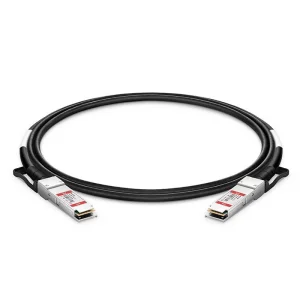
Many system integrators fail to account for the crucial interdependence between server architecture and switching fabrics. High-performance computation—whether for AI model inference, intensive database queries, or virtualization—is only as fast as the physical interconnects that bind the cluster together. Implementing high-speed 10G or 40G optical switches coupled with low-latency Direct Attach Copper (DAC) cables eliminates typical packet drops and TCP window size limitations that degrade cloud application performance.
How NexCore leverages China's premier tech manufacturing ecosystem to deliver unbeatable capital and technical efficiencies to Thai enterprises.
Based in the global hardware capital of Shenzhen, NexCore Intelligent Technology Co., Ltd. serves as a pivotal bridge between cutting-edge chip fabrication facilities, components markets, and global enterprise operations. Our proximity to the primary silicon and components markets enables us to achieve rapid procurement and component integration turnaround cycles that traditional Western counterparts cannot match.
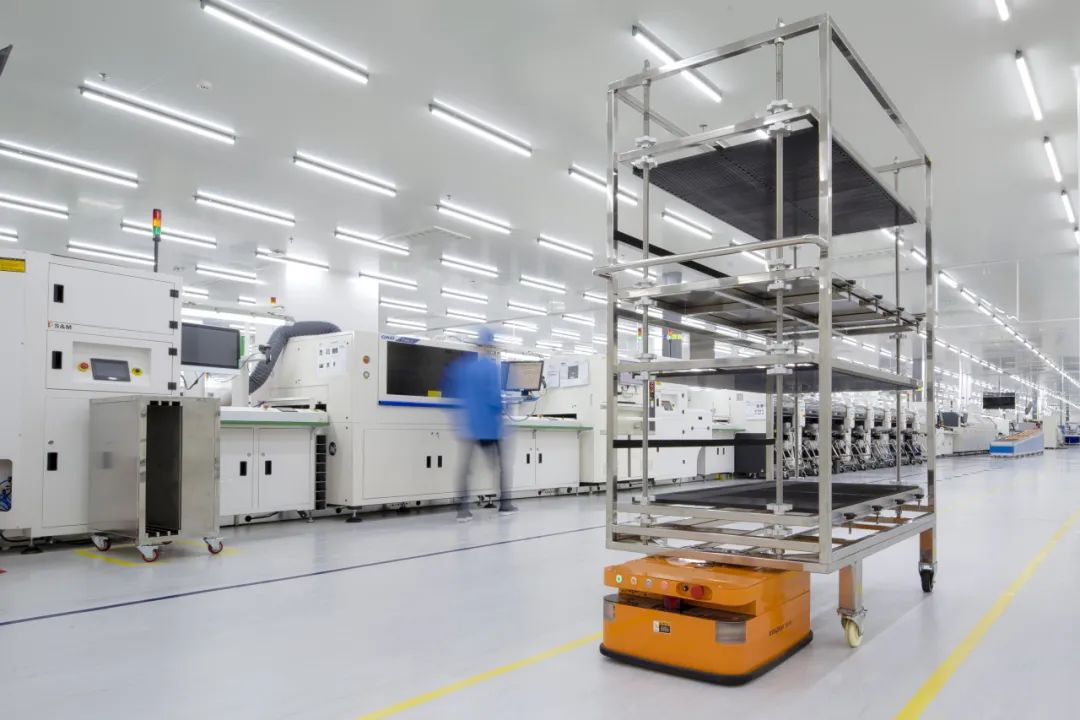
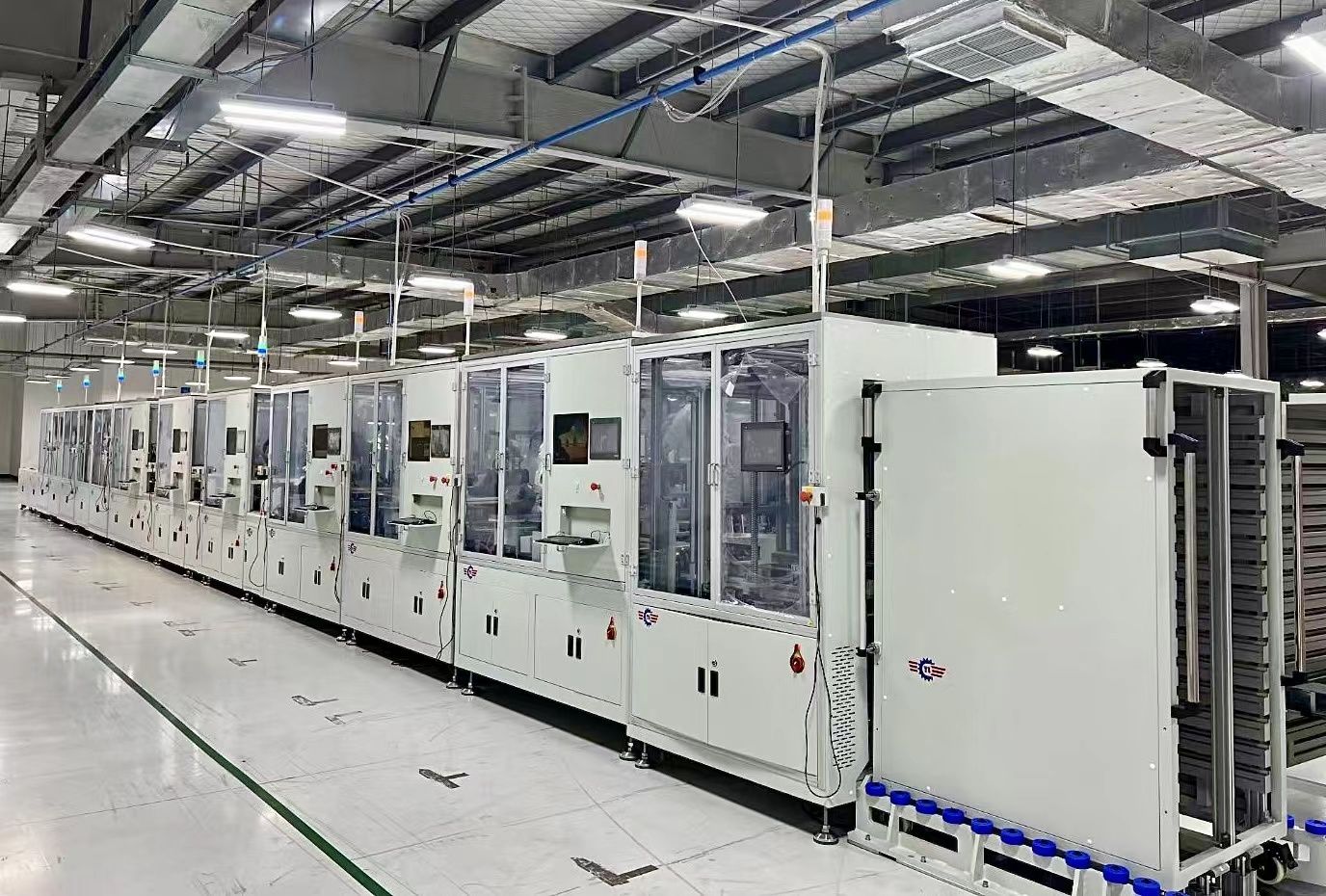
For our clients in Thailand, this supply chain concentration translates to shortened lead times, flexible hardware customizations (OEM/ODM chassis, tailored storage architectures, and optical port configurations), and high-reliability server integration. Our production line operates under a strict Quality Management System (QMS) governed by 46 dedicated QC specialists who oversee raw-material inspection, thermal stress-testing, custom burn-in regimes, and optical signal diagnostics.
By partner-sourcing from over 1,250 certified chip manufacturers, system-on-chip providers, and optical component suppliers, we maintain stable production lines and resilient hardware supply guarantees even during volatile silicon supply cycles.
Tailored network and computing configurations optimized for key industry verticals across Thailand's digital ecosystem.
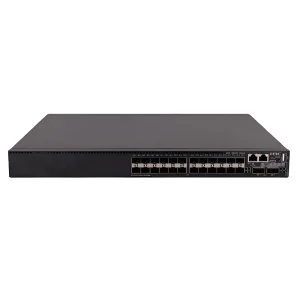
Industrial deployment in Rayong and Chonburi. Deploying H3C S6520X optical switches to consolidate plant-floor Ethernet/IP and Modbus networks, using VLAN segmentation to isolate sensitive OT equipment from public IT pathways, ensuring zero interference in automated assembly lines.
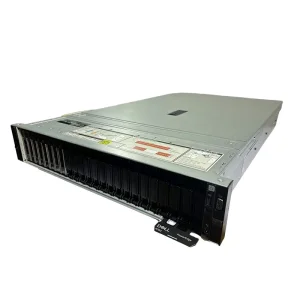
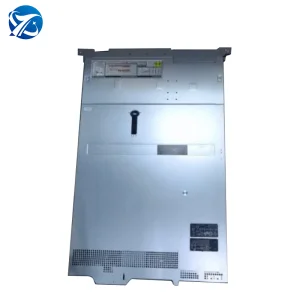
Scale-out private cloud platforms utilizing PowerEdge R750/R760 server arrays and high-speed QSFP+ direct attach links. Delivers highly responsive virtualization topologies suitable for local fintech systems, high-frequency transactional data, and low-latency digital banking workloads.
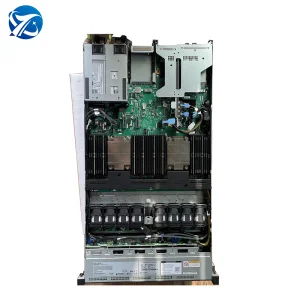
Academic institutions and corporate R&D divisions in Thailand deploying Deepseek-optimized GPU servers (FusionServer 1288H V7) paired with L3 non-blocking optical switches to support high-throughput, latency-critical data pipelines for massive data modeling and AI operations.
A forward-looking perspective on technical shifts occurring in enterprise computing and high-speed interconnect frameworks.
In legacy setups, server-to-server communication incurred significant overhead through the standard TCP/IP stack. As artificial intelligence models and high-frequency analytical queries scale, enterprises in Thailand are migrating to RDMA over Converged Ethernet (RoCE v2). This transport protocol enables direct memory access between server nodes without involving operating systems. This shifts the performance burden onto network switches, which must support explicit congestion notification (ECN) and priority flow control (PF) to achieve a lossless Ethernet environment.
Gigabit networks are fast becoming legacy architecture bottlenecks. Modern enterprise campuses and smart manufacturing floors require 10G optical networks at the core layer to support massive data collection points, high-definition video monitoring streams, and secure local area networks. High-density optical switch configurations allow operations teams to scale up to 40G or 100G fiber uplinks, ensuring that standard core routing structures remain valid for the next 5 to 10 years without requiring costly fiber recabling.
Software-Defined Networking (SDN) has redefined how administrators manage traffic, balance network loads, and define security policies. Instead of configuring switches on an individual CLI basis, modern engineering demands unified control-plane software. This level of orchestration is crucial when provisioning storage pools (like SAS RAID array controllers) and virtual host machines across decentralized offices in Thailand's dynamic business zones.
Reliable rack hardware, performance-grade processing components, storage modules, and data cabling configurations for complex infrastructure deployments in Thailand.

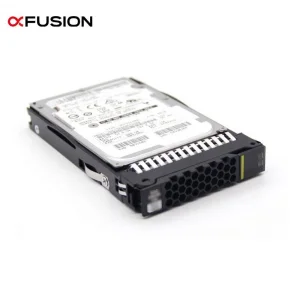
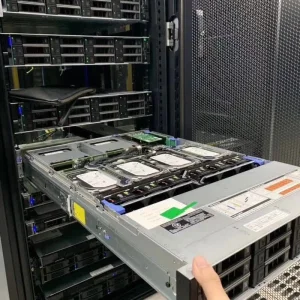
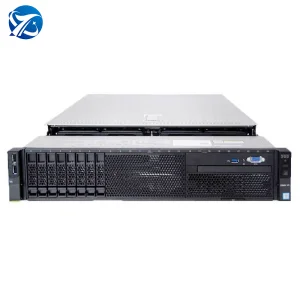
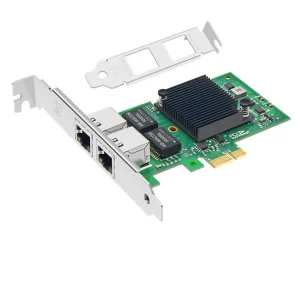
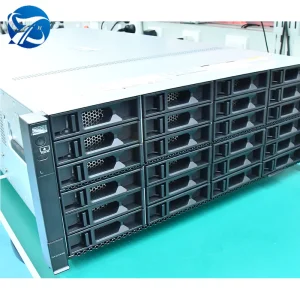
Before placing your bulk hardware order, ensure your specifications align with regional standards and operating criteria.
Investing in networking infrastructure and rack nodes is a multi-year decision. Procurement managers and IT directors must carefully balance local requirements, operating realities, and logistics protocols to avoid project delays or compatibility challenges:
Detailed technical answers to common integration, logistics, and operational queries from enterprise buyers in Thailand.
A: Layer 3 switches offer built-in IP routing capabilities, enabling them to route traffic between different VLANs directly on the hardware. This is essential for modern smart factories in locations like Rayong and Chonburi. Running these routing operations on the switch fabric eliminates the latency that occurs when routing through an external firewall or core router (a setup known as "router on a stick"). L3 switches also allow for granular access control lists (ACLs) and traffic prioritizing (QoS), keeping real-time automation protocols separate from standard web traffic and ensuring stable, deterministic OT performance.
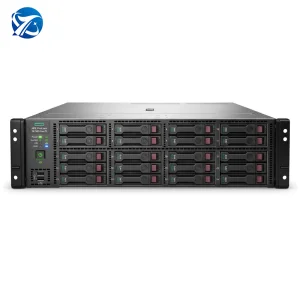
A: We configure our custom-built AI servers and optical interfaces using open, standard protocols (IEEE standards). Our switches, such as the H3C S6520X series, use industry-standard command-line interfaces (CLI) and support open routing standards like OSPF, BGP, and standard Link Aggregation Control Protocol (LACP). Our engineering team performs integration tests with Dell PowerEdge, HPE ProLiant, and Cisco Catalyst ecosystems prior to shipping, ensuring seamless interoperability in hybrid enterprise data centers.
A: We provide flexible shipping terms, including FOB, CIF, and DDP (Delivered Duty Paid), to suit different procurement setups. Leveraging our Shenzhen logistics network, standard express air shipping to Suvarnabhumi Airport (BKK) typically takes 3 to 5 business days, while larger ocean freight orders to Laem Chabang Port take approximately 10 to 14 days. We supply detailed commercial invoices, packing lists, export declarations, and certificate of origin documents to ensure smooth customs clearance through Thai Customs.
A: Yes. NexCore operates an in-house R&D team of 128 engineers specializing in custom system architecture, thermal design, and networking layouts. We can customize chassis designs, CPU/GPU setups, RAM/SSD storage arrays (including enterprise-grade SATA/NVMe SSD arrays), network ports, and custom hardware branding. This allows local system integrators to acquire specialized, application-specific hardware tailored to their target specifications.
A: Every switch and server undergoes a multi-stage quality control process. This begins with incoming component inspection (IQC) and progresses to full-load system integration testing. We run custom thermal burn-in routines for 24 to 72 hours under high processing loads to identify potential early-life component failures. In addition, we test all fiber-optic ports with matching transceivers to verify optical signal integrity and ensure long-term stability in enterprise environments.