NexCore
NexCore
NexCore
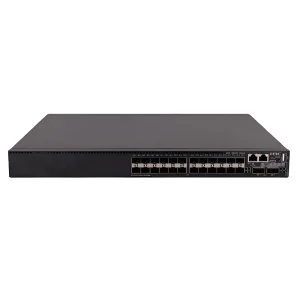

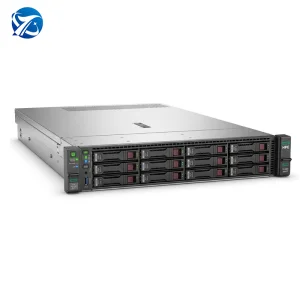
Mali's digital framework is undergoing an intense structural leap. With institutions like AGETIC driving sovereign data hosting and localized internet access points, the demand for enterprise-tier network switches has evolved. Legacy systems are struggling to survive the extreme ambient environments characteristic of Sahelian sub-Saharan markets, where sub-optimal electrical distribution grids and high airborne particulates frequently accelerate device failure rates.
To successfully operate telecommunication towers, corporate backbones, and cloud infrastructures in Bamako, Sikasso, or Kayes, networks require more than basic switches; they require hardened architectures. Layer 3 managed optical solutions with expansive operational thermal bounds, robust electromagnetic compatibility protection, and advanced cooling layouts are non-negotiable necessities for industrial operational safety.
Deploying high-availability local area networks in Mali requires answering extreme operational conditions. Large-scale mining networks located outside regional centers require zero-latency physical routing to coordinate telemetries across broad geological landscapes. Concurrently, metro ethernet expansion within urban centers like Bamako creates a heavy demand for dense PoE+ power distribution architectures capable of operating intelligent public safety monitoring networks and enterprise VoIP systems without line drops.
The Sahelian climate poses unique challenges for standard data center components. During seasonal Harmattan winds, sub-micron dust particles infiltrate conventional server racks, coating internal circuit paths and leading to static buildup and thermal insulation traps. Our tailored industrial network platforms utilize specialized enclosed structural chassis options, fan-less convection topologies, or specialized high-velocity fans coupled with washable dust filtration matrices to minimize equipment wear over decades of operation.
Voltage variation and rolling power anomalies represent major threats to networking gear across West Africa. NexCore's hardware designs incorporate specialized internal power supplies capable of handling erratic voltage sweeps. Dual hot-swappable AC/DC power banks enable clean hand-offs to off-grid solar fields and central diesel generators, maintaining continuous logic paths and preventing deep line dropped states or hardware burnouts during catastrophic power grid sag anomalies.
To support high-density compute applications like the expansion of domestic data centers and cloud services, network managers across Mali are migrating away from traditional flat networks toward high-density Layer 3 core routing matrices. This architecture optimizes data flow inside the organization, filtering horizontal traffic locally without taxing the central routing core.
Looking ahead, software-defined networking (SDN) will become the standard infrastructure choice for large-scale deployments across West Africa. Incorporating OpenFlow and automated RESTful API controllers allows telecom teams in Bamako to dynamically alter trunk lines, provision virtual networks instantly, and partition bandwidth for critical services automatically during cross-regional routing drops.
Our networking systems are optimized for specific local economic drivers:
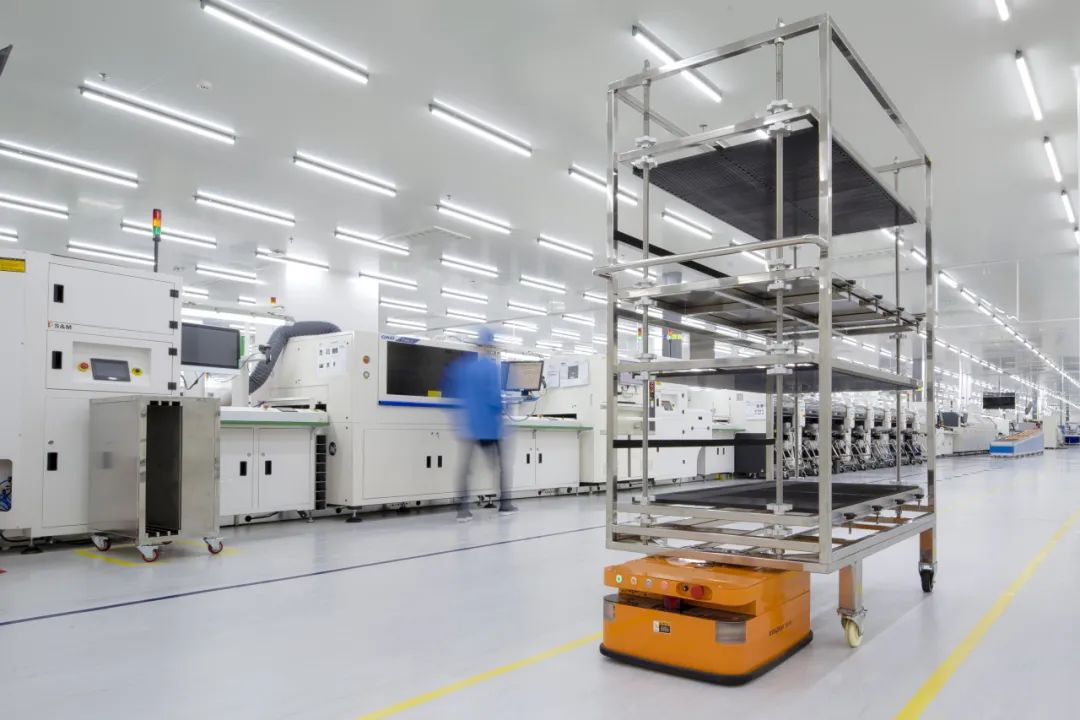
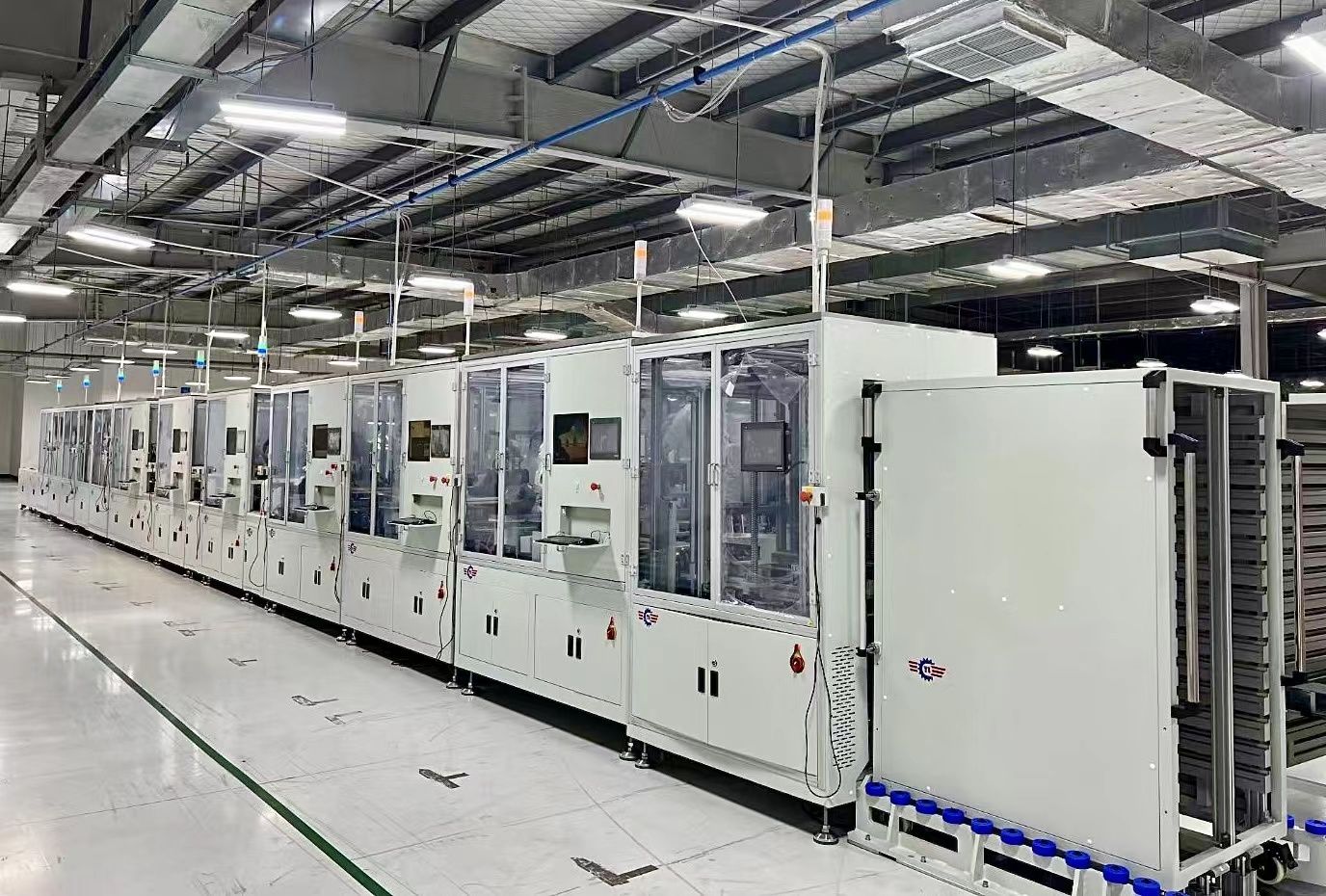
NexCore Intelligent Technology Co., Ltd. is a professional AI server and networking infrastructure manufacturer and solution provider established in 2017. Headquartered in Shenzhen, China, the company operates a modern production facility covering 386 square meters and specializes in the design, development, and manufacturing of high-performance GPU servers, AI training servers, AI inference systems, HPC servers, and customized computing infrastructure solutions.
With over 9 years of industry experience and 6 years of export experience, NexCore has built a strong reputation for delivering reliable and scalable computing solutions to customers worldwide. The company achieved an annual export revenue of approximately USD 18 million and serves clients across North America, Europe, Southeast Asia, the Middle East, and Oceania. Now, we bring this deep expertise to the Malian enterprise and telecom sectors, providing specialized support for local infrastructure initiatives.
NexCore maintains a strict quality management system with a dedicated team of 46 quality control personnel. All products undergo comprehensive testing procedures, including component inspection, system integration testing, thermal performance testing, burn-in testing, and final quality verification to ensure optimal performance and long-term reliability under stressful climatic parameters.
The company has established long-term partnerships with more than 1,250 supply chain partners, enabling efficient sourcing of premium components and ensuring stable production capacity. Its primary customers include AI solution providers, data centers, cloud service providers, research institutions, system integrators, and enterprise IT infrastructure companies. Innovation is a core driving force behind NexCore’s growth. The company possesses strong in-house R&D capabilities supported by a team of 128 experienced engineers specializing in server architecture, GPU optimization, thermal design, and AI infrastructure development. During the past year alone, NexCore successfully launched 86 new products and solutions to meet the rapidly evolving demands of the artificial intelligence and networking industries.
To support diverse customer requirements, NexCore offers flexible customization options, including chassis design, GPU configuration, CPU selection, storage architecture, networking solutions, branding, and OEM/ODM services. The company’s engineering team works closely with customers to deliver tailored systems optimized for machine learning, deep learning, large language models (LLMs), computer vision, and high-performance computing workloads. Guided by the principles of innovation, quality, and customer success, NexCore is committed to becoming a trusted global partner for next-generation computing infrastructure.
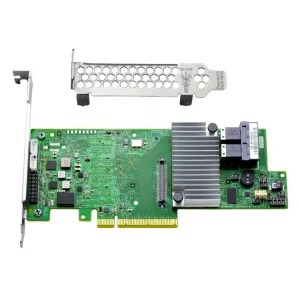
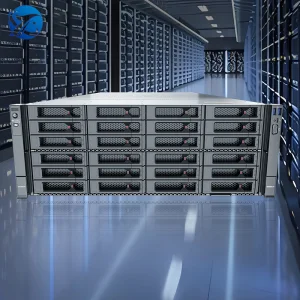
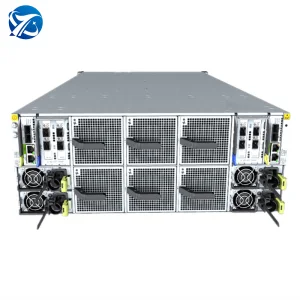
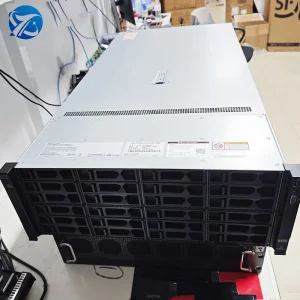
Deploying networking infrastructure within Mali requires meeting specific national regulatory conditions. NexCore handles this complexity by ensuring all network switches, edge components, and computing frameworks align with the telecommunication and electronic requirements established by the AMRTP (Autorité de Régulation des Télécommunications, des Technologies de l'Information et de la Communication et des Postes - Mali).
Our global shipping frameworks utilize vibration-isolated, vacuum-sealed packaging configurations designed to safeguard precision electronics from environmental exposure during transport to inland freight terminals like Bamako-Sénou. This systematic logistics oversight allows local telecom operators and engineering groups to source directly from our automated production facilities with confidence in hardware functionality upon arrival.
Our industrial switch variants feature fanless heat-sink cooling chassis options or high-airflow fans paired with internal electrostatic protective coatings. This design isolates critical components from dust accumulation, preventing trace shorts and mitigating thermal buildup during severe dust storms.
Yes. All distributed infrastructure equipment is built to meet international electromagnetic compatibility (EMC) and radio frequency standards. We work closely with local integration partners to provide documentation that aligns with AMRTP certification requirements for network rollouts.
Our platforms feature integrated 6KV surge protection and utilize dual hot-swappable redundant power configurations. These units operate efficiently across wide voltage variations, providing stable power input even when switching between primary grid supplies and backup generator systems.
We provide comprehensive customization, including specific port selections (SFP+/QSFP28), specialized firmware configurations, custom chassis dimensions to fit non-standard rack deployments, and custom branding for regional telecom providers and cloud operators.
Standard configurations are processed within 15–20 days through our Shenzhen production facilities. Shipping timelines vary depending on whether sea or air freight is chosen, with streamlined routing via major West African ports like Dakar or Conakry to ensure dependable delivery to Bamako.