NexCore
NexCore
NexCore
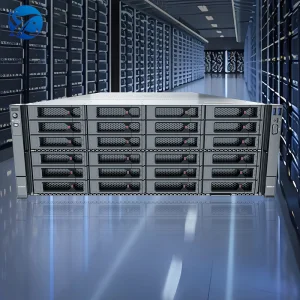
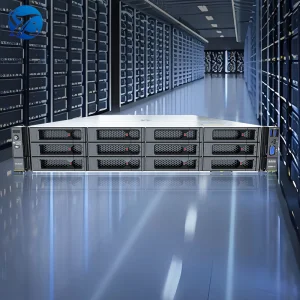
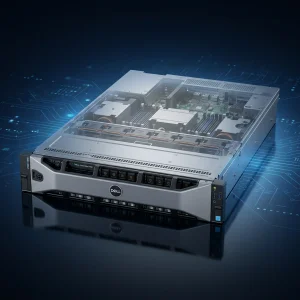
Explore our leading rack-mount and GPU-accelerated servers engineered for data-heavy workloads and high scalability.
An authoritative analysis of how AI workloads, dynamic scaling requirements, and energy directives are transforming raw silicon into hyper-efficient architecture.
Modern AI architectures demand more than traditional CPU resources. Deep learning model parameters are scaling exponentially, necessitating the tight integration of GPUs, TPUs, and specialized ASICs. Modern designs maximize PCIe Gen 5 lanes, leveraging high-bandwidth interfaces to minimize latency and optimize communication between co-processors.
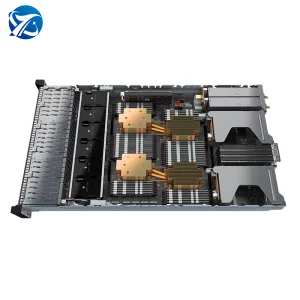
As hardware density reaches unprecedented levels, the thermal envelope of typical server systems has broken past air-cooling thresholds. Standard enterprise chips now routinely exceed 350-400 Watts TDP, while AI accelerators range from 700 to 1000 Watts. The industry is rapidly adopting Direct-to-Chip (D2C) liquid cooling loops and immersion fluid setups to keep Power Usage Effectiveness (PUE) below stringent 1.25 regulatory limits.
Modern hyperscale deployments face advanced threats operating below the operating system layer. Modern design standards mandate cryptographically secure microcontrollers embedded directly on host motherboards. These hardware modules verify the integrity of firmware, bootloaders, and OS environments, ensuring end-to-end trust from manufacturing line to active data center runtime.
System integrators and hyperscalers must look beyond raw cost. We outline the crucial metrics that distinguish premium production models from standard designs.
Procuring customized enterprise server systems demands high diligence. Enterprise IT procurement executives operate under tight service level agreements (SLAs), making build consistency, thermal tolerances, and regulatory documentation non-negotiable factors.
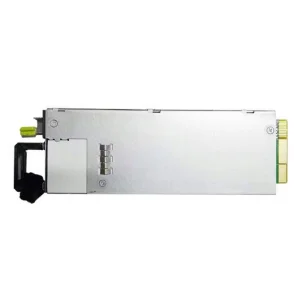
CapEx is merely the entry point. True efficiency measurements incorporate operational energy metrics, Mean Time Between Failures (MTBF) of critical active power supply modules (such as the xFusion HVDC1500wb), and software-defined optimization systems that scale server energy utilization to match real-time system demands.
Standard configurations often fail to address specific computational tasks. Buyers seek manufacturing partners capable of deep motherboard design alterations, custom storage chassis configurations (e.g., hybrid U.2/U.3 NVMe backplanes), and tailor-made firmware settings optimized for virtualization, database management, or neural network training pipelines.
Exporting hardware across North America, Europe, and Asia-Pacific requires strict compliance with international testing frameworks. Leading systems must feature complete certifications, including CE, FCC, UL, RoHS, and WEEE, validating that the products comply with electrical safety and eco-design standards globally.
Understanding the industrial clustering of Shenzhen and the engineering ecosystems that drive rapid cycles and robust hardware platforms.
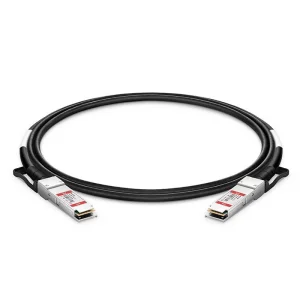
Shenzhen functions as the silicon manufacturing heart of global hardware. High-layer count PCBs, complex copper power rails, raw chassis structures, heat exchange units, and high-frequency connectors (like QSFP+ 10G/40G direct-attach cables) are produced within a tight geographic radius. This minimizes material transit time and insulates production pipelines from global logistics friction.
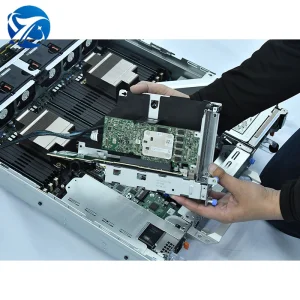
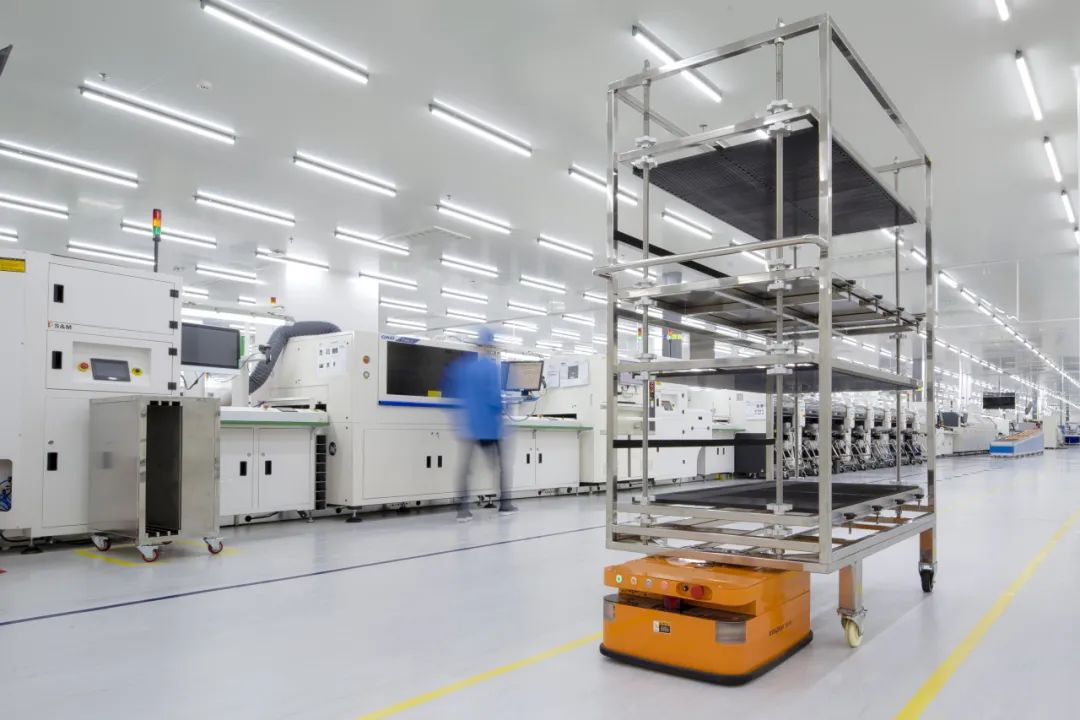
Traditional factories require months to prototype custom metal chassis or reconfigure PCIe riser card architectures. China's advanced manufacturing facilities leverage automated precision tooling, robotic sheet metal fabrication, and digital assembly environments. This enables manufacturers to transform custom engineering layouts into physical prototypes in a fraction of standard lead times.
Speed means nothing without strict quality protocols. Standardized QA procedures encompass comprehensive physical validations: component X-ray scans, high-frequency signal integrity diagnostics, environmental stress screening, and thermal chamber tests. This testing ensures hardware performs reliably under continuous workloads.
An inside look at our core manufacturing expertise, quality management framework, and collaborative engineering partnerships.
Established in 2017 with headquarters in Shenzhen, China, NexCore Intelligent Technology Co., Ltd. has grown to become a reliable partner in the design, development, and manufacture of high-performance GPU servers, AI training modules, machine learning inference units, and high-performance computing (HPC) configurations. Drawing on over 9 years of deep industry development experience and 6 years of international export operations, NexCore provides tailored computing infrastructure to enterprises across North America, Europe, Southeast Asia, the Middle East, and Oceania.
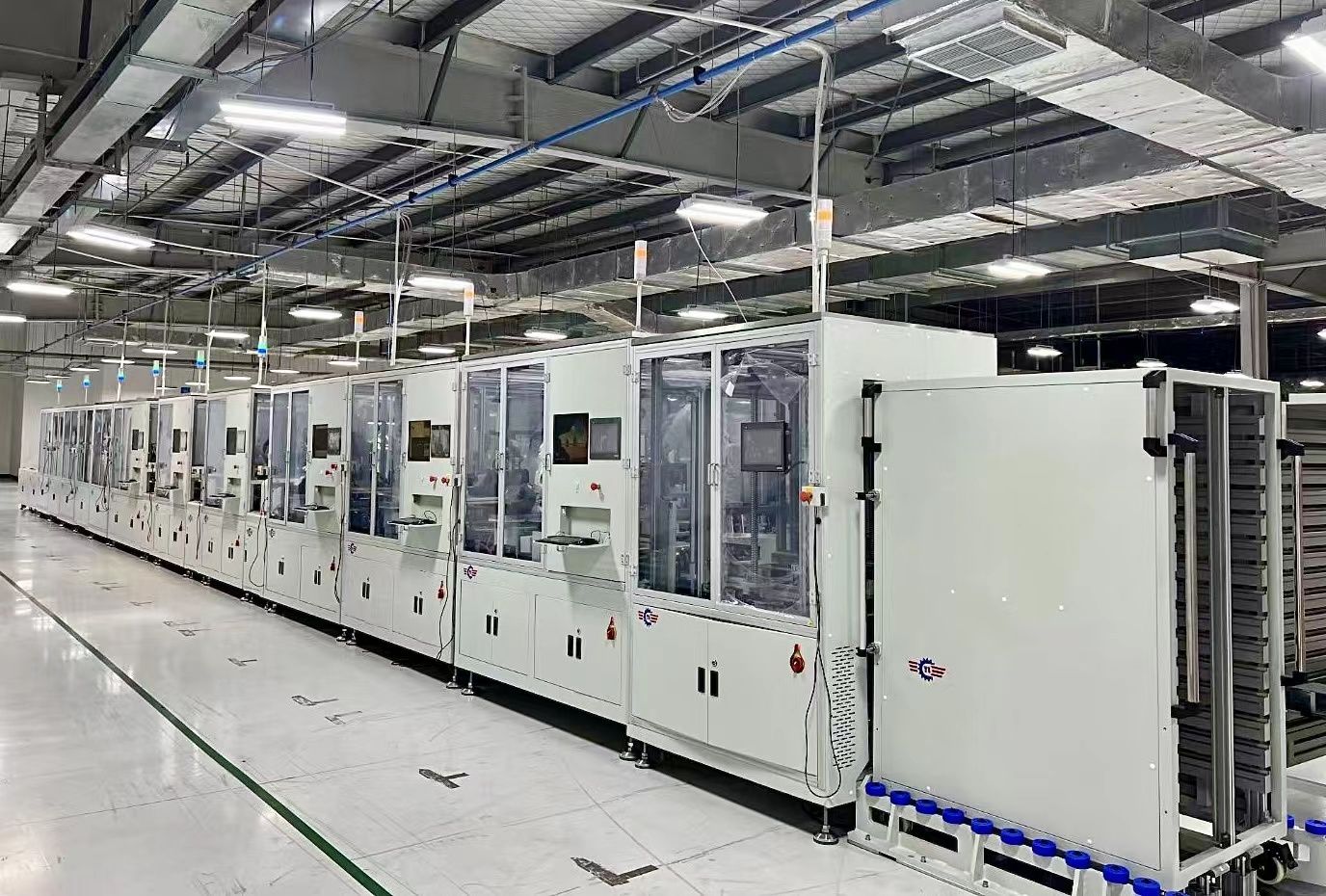
NexCore's production facility operates with specialized workflows optimized for high-density server integration. Rather than general component assembly, our manufacturing model focuses on high-precision configuration, thermal profiling, and extensive validation. With a team of 46 quality control experts, every system undergoes rigorous performance audits before dispatch.
NexCore operates with an in-house engineering team of 128 specialists. They design custom cooling layouts, map out high-frequency board routings, and configure BIOS and BMC parameters to ensure optimal performance. In the past year alone, our commitment to research and development resulted in 86 new computing solutions launched globally.
Our QA framework comprises four distinct phases: detailed incoming material qualification, in-line assembly audit, dynamic high-temperature burn-in trials (spanning 24-72 hours under maximum computing load), and comprehensive port connectivity verification. This process guarantees out-of-the-box reliability for remote data center deployments.
We provide extensive build-to-order configurations. Customers can specify memory allocations, storage architectures, networking interfaces (RoCE v2, InfiniBand, Ethernet), and custom chassis designs. Our team handles every step from metalwork customization to BIOS branding and software pre-installation.
How our custom enterprise systems power critical infrastructure across industries worldwide.
Large Language Models require massive matrix multiplication capabilities. High-density GPU configurations, backed by dual Intel Xeon or AMD EPYC processors, provide the required compute density. These systems utilize high-speed interconnects to prevent latency bottlenecks during distributed training runs.
In Factory 4.0 setups, automated assembly lines use high-speed cameras to identify microscopic manufacturing defects. Real-time vision workloads require rugged edge servers located near the assembly floor. Our 1U and 2U systems offer reliable performance in hot, dust-prone industrial environments.
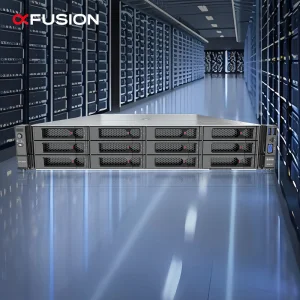
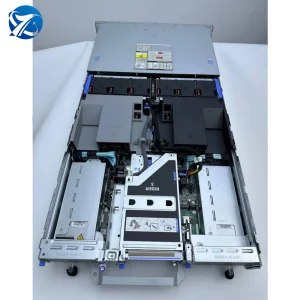
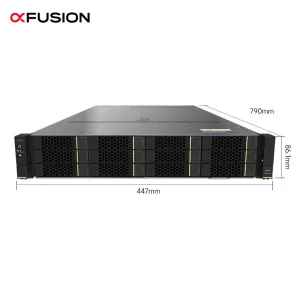
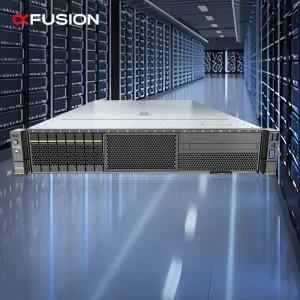
Modern enterprise IT demands compute, storage, and networking combined in a single platform. Models like the xFusion 2288H V6 HCI consolidate legacy hardware setups. They provide high VM densities and reliable virtual storage arrays for growing private cloud deployments.
Clear, expert-led technical answers to assist enterprise sourcing teams in making informed purchasing decisions.
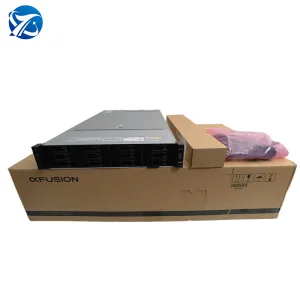
Browse more high-availability server models, accessories, and replacement parts for your compute infrastructure.