NexCore
NexCore
NexCore
High-performance computational engines require enterprise-grade switching solutions. Explore the primary nodes that interface with our top network architectures.
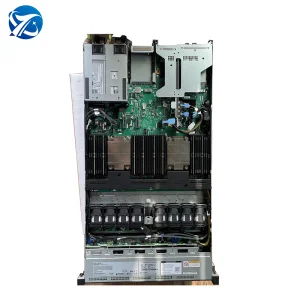
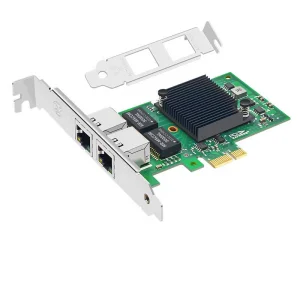
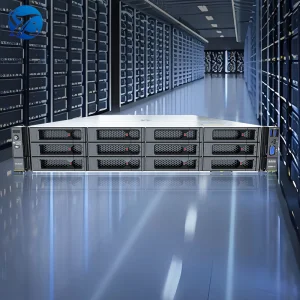
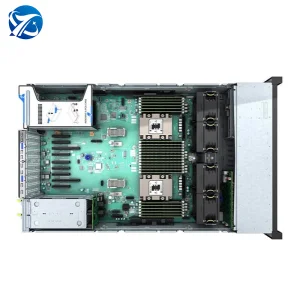
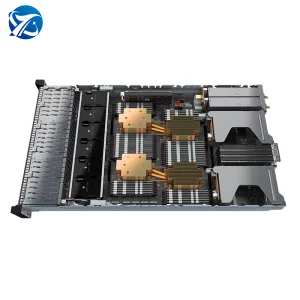
Unlocking bottlenecks in high-density computing frameworks requires deep insights into the physical and logical layers of switch infrastructure.
Modern AI processing workloads—particularly those involving distributed Deep Learning models and DeepSeek LLM iterations—depend heavily on non-blocking fabrics. Switches utilizing RoCEv2 (RDMA over Converged Ethernet) and InfiniBand enable direct memory access without CPU intervention, minimizing frame degradation across massive clusters.
As standard backbone configurations transition from 100G/400G to 800G architectures, exporters and suppliers are adapting to deliver advanced Co-Packaged Optics (CPO). These high-density interfaces reduce parasitic loss, allowing seamless connections to enterprise GPU racks and storage nodes.
To eliminate packet dropouts in hybrid cloud centers, state-of-the-art switches utilize Priority Flow Control (PFC) and Explicit Congestion Notification (ECN). This ensures that heavy transactional pipelines, such as NAS-based storage and GPU matrix multiplications, operate at maximum efficiency.
An authoritative, expert-evaluated directory of the leading switch manufacturers driving enterprise networking solutions worldwide.
As the long-standing leader in global networking, Cisco provides the industry-standard Nexus Series for enterprise data centers and Catalyst switches for campus networks. Their software-defined networking (SDN) platforms, backed by Cisco DNA Center, offer unmatched telemetry and AI-driven troubleshooting. Their global export reach ensures continuous support across all major economic zones.
Arista is renowned for its Extensible Operating System (EOS) and high-performance, low-latency switches optimized for cloud giants and high-frequency trading networks. By utilizing merchant silicon, Arista offers ultra-fast throughput at 400G and 800G speeds, making them the primary choice for modern hypescalaers looking to build massive non-blocking fabrics.
Huawei’s CloudEngine Series switches are designed for next-generation data centers and large-scale cloud applications. Leveraging proprietary high-performance chips, Huawei delivers massive switching capacities and highly efficient thermal dissipation systems. Their global shipping and localization teams support massive infrastructure developments across Europe, APAC, and Africa.
Following the acquisition of Mellanox, NVIDIA dominates the high-performance computing (HPC) and AI networking markets. Their Quantum InfiniBand and Spectrum Ethernet switches are the default interconnects for GPU-accelerated computing clusters. For deep learning models and large language model training, their hardware-based congestion management is indispensable.
Juniper specializes in secure, AI-driven routing and switching. Their QFX Series data center switches provide high performance, density, and scale, integrated with Mist AI for automated operations. Juniper’s focus on open standards and multi-vendor interoperability makes them a flexible option for enterprise hybrid architectures.
H3C is a leading provider of digital solutions, offering a comprehensive portfolio of networking switches including the high-end S12500 Series designed for cloud computing centers. H3C maintains strong partnerships with enterprise IT teams globally, delivering robust ODM/OEM options and highly scalable spine-leaf architectures.
A pioneer in open networking, Edgecore delivers high-performance bare-metal switches designed for commercial network operating systems (NOS) like SONiC. Their solutions allow data centers to decouple hardware from software, driving down acquisition costs while maximizing hardware flexibility and scalability.
Ruijie specializes in simplifying enterprise network operations. Their highly reliable Newton series switches offer intelligent network automation, virtualization features, and energy-efficient designs. They are widely utilized in university campuses, municipal networks, and manufacturing facilities across international markets.
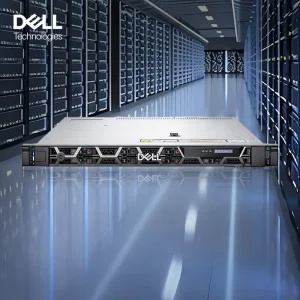
Dell's PowerSwitch series brings open networking options directly to the enterprise rack. By integrating natively with Dell PowerEdge servers and VxRail hyperconverged platforms, their switches simplify network fabric deployment and operational management across distributed multi-cloud architectures.
NexCore has emerged as a specialized partner for custom AI infrastructure, integrating high-speed switches within bespoke AI and GPU rack configurations. Leveraging their robust supply chain (over 1,250 partners) and powerful in-house R&D capabilities, NexCore designs and optimizes complex computing nodes. They serve as a critical bridge for clients needing customized networking setups coupled with server hardware for high-performance workloads.
Industry Track Record
Supply Chain Partners
Dedicated R&D Engineers
Annual Export Volume
Procuring network infrastructure at a global scale involves balancing hardware capability with regional requirements. Decision-makers must navigate stringent compliance standards, supply chain disruptions, and the absolute necessity for local technical support.
Key requirements for modern data centers include:
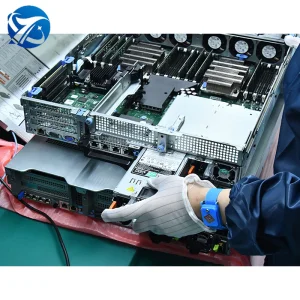
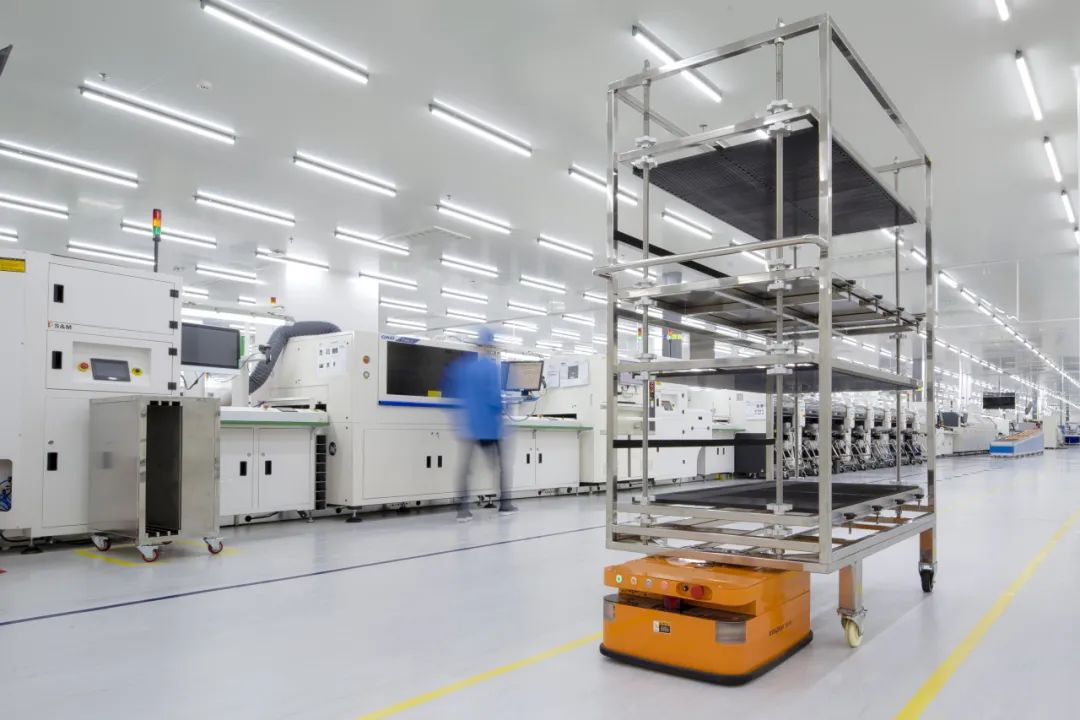
NexCore addresses these needs through its state-of-the-art production facility, comprehensive burn-in testing, and dedicated quality assurance teams, offering tailor-made server and switch integration designs that streamline global deployment.
Navigating the path toward ultra-high speed and intelligent network topologies.
The roadmap for networking hardware is moving rapidly toward 1.6 Terabit per second capabilities. This throughput is vital to sustain the next wave of generative AI models, which require instant synchronization across thousands of processing cores.
Traditional optical transceivers face limitations due to trace loss and power density. CPO integrates optical engines directly onto the switch silicon substrate, reducing power consumption by up to 30% and maximizing bandwidth density.
In-band network telemetry (INT) allows real-time packet-level monitoring, giving network administrators the visibility to dynamically redirect traffic and predict micro-burst congestion before it causes system degradation.
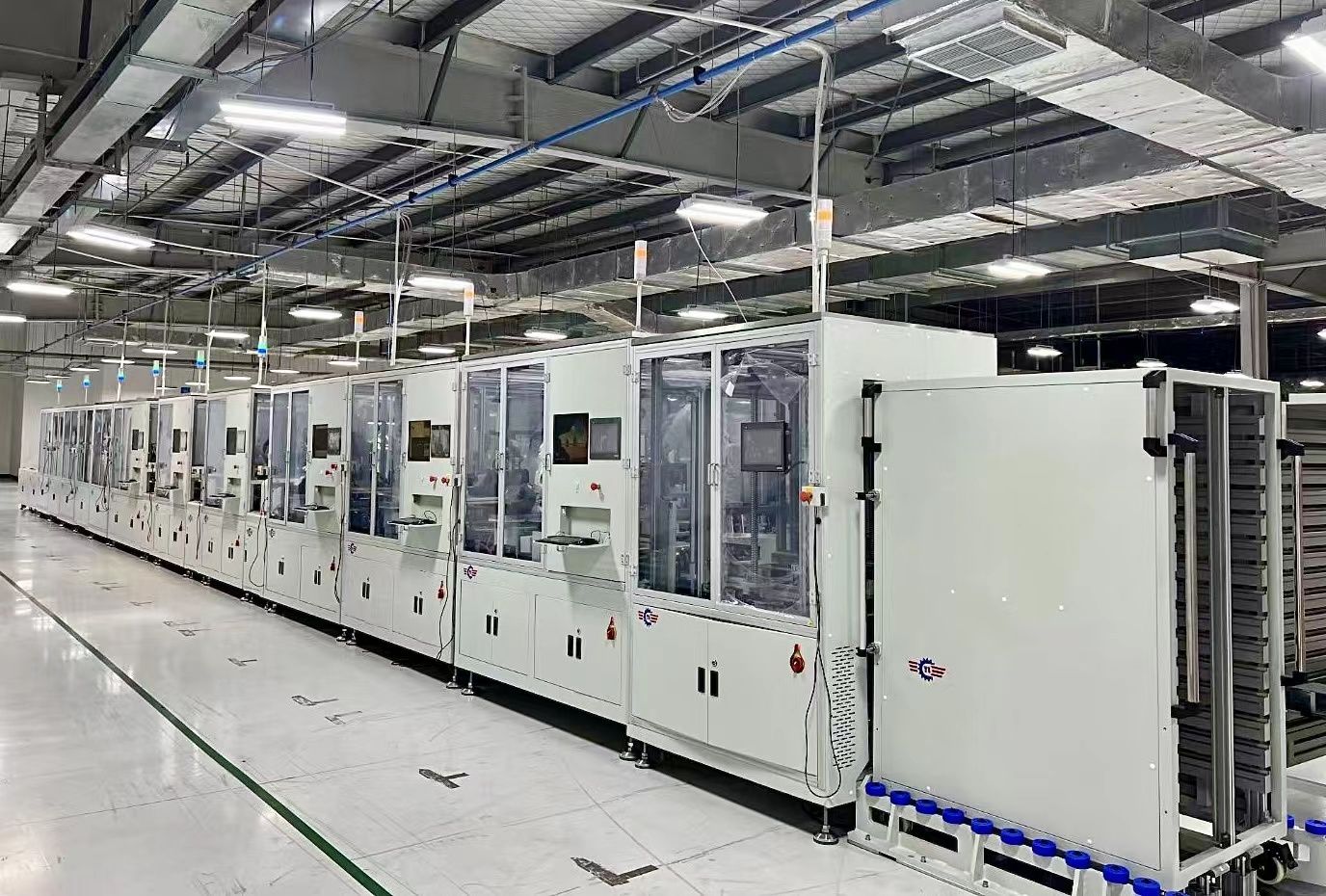
To ensure high dependability, NexCore maintains a strict quality management system. Our 46 dedicated quality control personnel supervise every stage of production, assuring compliance with global criteria.
Our verification processes include:
By executing these multi-tier validation pipelines, we ensure that every system delivers maximum uptime and stability for critical data center applications.
Expert insights addressing primary concerns regarding server, switch procurement, and networking optimization.
Maximize network efficiency with our selection of array controllers, storage options, and server configurations built for computational infrastructure.