NexCore
NexCore
NexCore
Explore our premium system inventory, integrating enterprise-grade reliability and top-tier silicon performance.
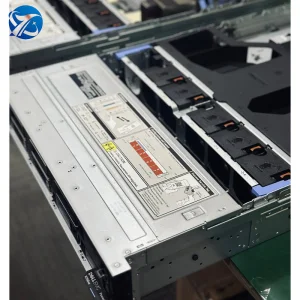
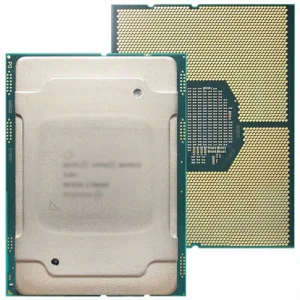
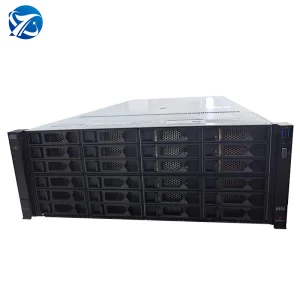
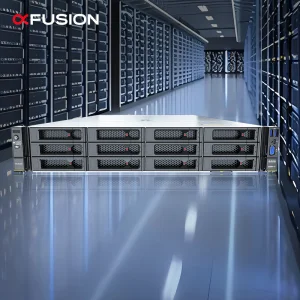
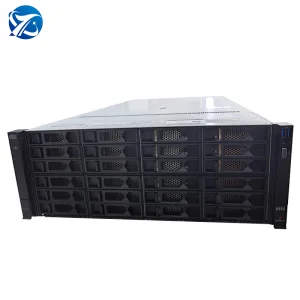
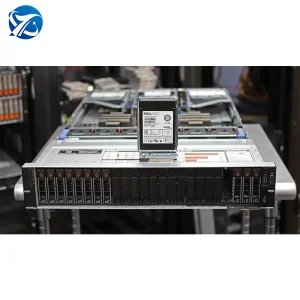
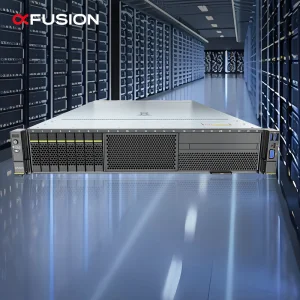
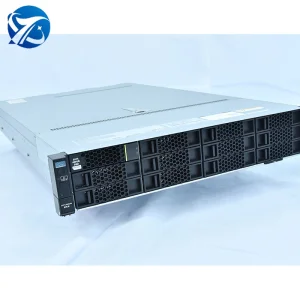
The exponential growth of complex large language models, localized cloud workloads, and high-performance computing (HPC) demands has transformed global hardware sourcing. NexCore Intelligent Technology Co., Ltd., established in 2017 in Shenzhen, China, stands at the cross-section of this infrastructure evolution. Specializing in high-performance GPU server architectures, AI training clusters, machine learning inference nodes, and custom networking solutions, NexCore delivers reliable enterprise compute power to global markets.
Operating a highly specialized and modern verification and production facility spanning 386 square meters in Shenzhen, the silicon capital of the world, NexCore manages hardware component lifecycle and advanced validation procedures. Building upon over 9 years of deep industry expertise and 6 years of international trade operations, the company operates as a key OEM/ODM manufacturing node, achieving an annual export revenue of over USD 18 million. With client relationships spanning North America, Europe, Southeast Asia, the Middle East, and Oceania, NexCore has established itself as an authoritative partner for entities demanding mission-critical server configurations.
NexCore's operations rely on its vast integration with more than 1,250 certified supply chain partners. This wide supplier base protects operations from component shortages, ensuring constant access to critical integrated circuits, high-speed RAM buffers, server chassis, and specialized cooling plates. This secure network allows NexCore's 128 R&D engineers to quickly design, test, and release new systems, bringing 86 new solutions and compute structures to the market in the last year alone.
"By controlling the process from silicon inspection to final system integration testing, NexCore ensures that hardware deployed in cloud nodes or high-performance compute centers runs at peak efficiency with minimum thermal throttling."
Unlocking velocity, technical adaptability, and cost optimization via Shenzhen's industrial cluster.
Shenzhen's industrial electronics corridor allows direct access to microelectronics, power distribution components, and cooling solutions. By maintaining relations with over 1,250 premium component suppliers, production delays are minimized, ensuring quick manufacturing of custom equipment designs.
With 128 engineering experts specializing in PCB layout, server chassis engineering, thermal dissipation, and custom BIOS adjustments, custom customer requirements are met. The 86 products launched during the past year show our dedication to hardware innovation and technical growth.
Quality is overseen by 46 quality control experts. The QC pipeline includes component inspections, system integration checks, thermal chamber simulations, 72-hour burn-in tests, and final system configuration checks to ensure long-term stability and reliability in demanding data center environments.
China's manufacturing advantage goes beyond low labor costs; it lies in the density of the engineering ecosystem. When an enterprise customer requests a hardware modification, such as adding PCIe Gen 4.0 storage adapters or installing high-performance tri-mode RAID controllers (e.g., LSI Broadcom 9560-8i), the proximity of specialized suppliers allows NexCore to source, integrate, and validate these systems within days. This speed is unmatched by other manufacturing centers globally.
Enterprise IT directors and cloud architects require infrastructure that delivers performance, reliability, and security. Sourcing networking and server hardware globally involves analyzing hardware parameters and their target workloads:
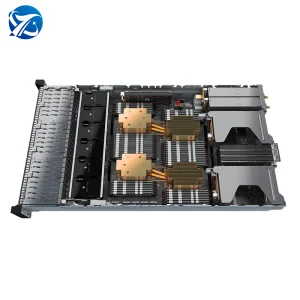
Modern applications require massive compute capability, shifting workloads from traditional CPU clusters to GPU-accelerated computing nodes. Deep learning models, including LLM training setups like DeepSeek, require servers with high-speed PCIe layouts to minimize latency between storage arrays and graphics accelerators. Platforms like the FusionServer G5200 V7 and xFusion G5500 V7 offer multi-GPU support, providing the floating-point performance needed for AI training and inferencing.
High-density servers generate significant heat. A dual-socket Intel Xeon server running workloads can output over 700W of heat from processors alone, excluding RAM and storage devices. Efficient cooling layouts, optimized fan zones, and heat sinks prevent thermal throttling, protecting hardware and maintaining stable performance under load.
Data-centric workloads require fast storage pipelines. Using advanced controller systems like the 9560-8i RAID controller allows for PCIe Gen 4.0 data paths across NVMe, SAS, and SATA interfaces. Redundancy protocols (such as RAID 5, 6, or 10) protect against drive failures, securing data and reducing downtime.
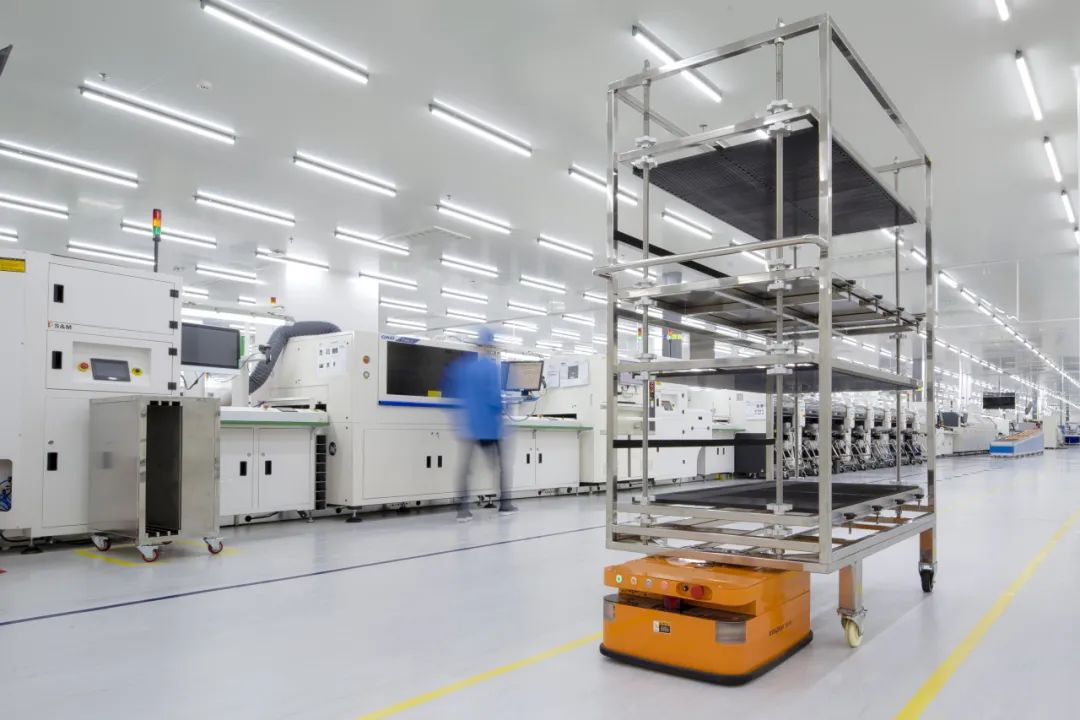
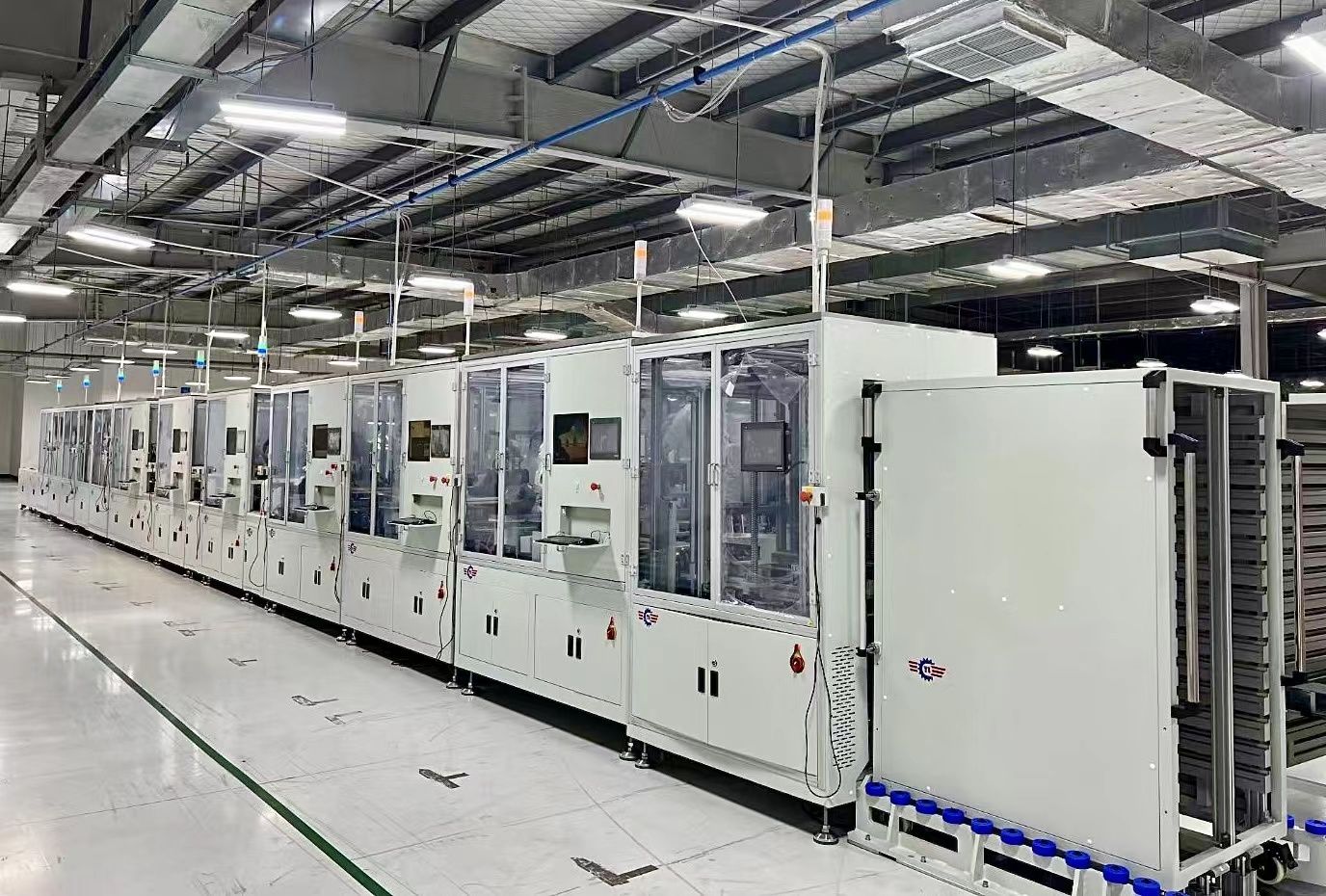
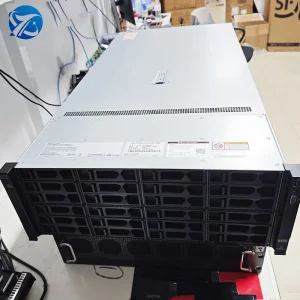
The production lines and testing facilities above demonstrate NexCore's dedication to meeting these industrial requirements. In Shenzhen, units undergo verification tests, checking the hardware's resilience under load and ensuring performance matches the needs of global users.
Selling network equipment and servers internationally requires compliance with local regulations. Each region has specific requirements for electromagnetic interference (EMI), product safety, and hazardous substances:
The convergence of open source models, silicon scaling, and thermal realities.
The rise of models like DeepSeek R1 has shifted inference workloads to scalable node clusters. Hardware is optimized for large memory bandwidth and quick communication between graphics cards to support complex multi-billion parameter models.
As processor power requirements exceed 350W per socket, liquid cooling has become a necessity. Industrial designers focus on cooling loops, hybrid liquid-to-air cooling systems, and high-efficiency power units to lower overall PUE metrics.
Secure boot mechanisms, hardware-level TPM 2.0 modules, and verified BIOS updates prevent firmware modification, protecting enterprise and cloud storage operations from unauthorized access.
Deploying enterprise servers requires aligning hardware capabilities with the specific demands of each application. Here is how NexCore's hardware configurations fit key modern workloads:
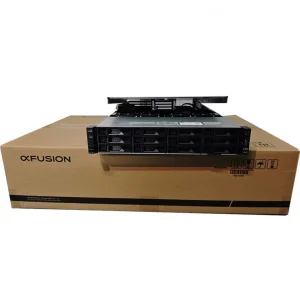
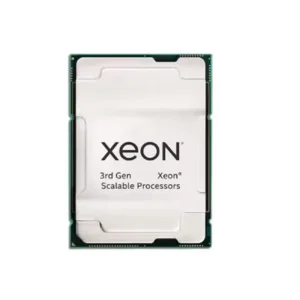
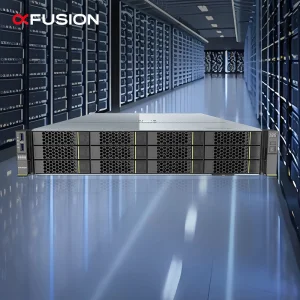
Modern enterprises use HCI to consolidate compute, storage, and networking into unified nodes. Utilizing platforms like the xFusion 2288H V7 with 12 drive bays and dual Intel Xeon Scalable processors allows developers to spin up hundreds of virtual machines. Adding high-speed networking and redundant storage controller cards enables low latency data operations across clusters.
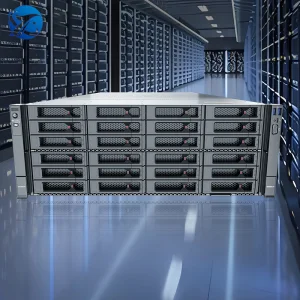
As file sizes and data sets grow, high-capacity storage becomes critical. Configured storage servers with multi-bay SAS/SATA drives provide cost-effective options for high-density file arrays. The combination of hardware-level RAID caching (e.g., using a 4GB cache on the 9560-8i RAID card) and high-speed write strategies ensures safe file operations, protecting archival backups from data corruption.
Training modern neural networks or running heavy workloads requires high compute densities. Using specialized systems like the FusionServer G8600 V7 8U GPU server, which houses up to 8 GPUs, enables fast model training and data analysis. This dense hardware setup minimizes communication bottlenecks between accelerators, helping developers optimize training times.
Direct technical answers to help enterprise procurement managers evaluate supplier capabilities.
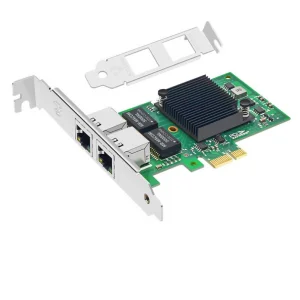
Complete your deployment with our range of high-throughput networking adapters, custom servers, and processors.