NexCore
NexCore
NexCore
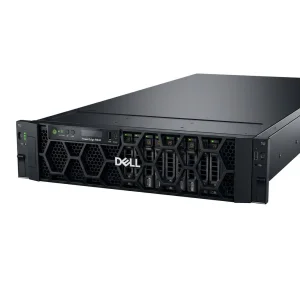
Explore our selection of enterprise-grade, CE-certified machine learning nodes, hardware accelerators, and custom storage units designed to power modern deep learning clusters and large language model (LLM) processing.
In the era of hyper-scale artificial intelligence models and dynamic cognitive algorithms, the efficiency of machine learning architectures is heavily dictated by physical hardware limitations. Building networks of GPUs capable of execution rates in the petaflops requires rigorous system-level electrical engineering, micro-architectural optimization, and compliance verification. Enterprise procurers must partner with manufacturers capable of translating raw compute metrics into certified, deployment-ready hardware solutions.
As a leading force in AI system engineering, NexCore Intelligent Technology Co., Ltd. (established in 2017) has specialized in developing next-generation compute topologies. Our focus lies in providing robust GPU training servers, low-latency AI inference arrays, and high-performance computing (HPC) nodes that bridge raw compute capability with operational safety and reliability. Headquartered in Shenzhen, China, NexCore manages a modern 386 square meter assembly and verification facility dedicated to the layout, configuration, and structural engineering of customized enterprise servers.
Our 9+ years of deep industry tenure, paired with 6+ years of mature export operations, allows us to deploy custom hardware designs that mitigate signal degradation, thermal throttling, and power inefficiency. Our global export structure generates approximately USD 18 million annually, servicing AI design hubs, enterprise datacenters, and scientific research labs throughout North America, Europe, Southeast Asia, the Middle East, and Oceania.
For computing platforms drawing kilowatts of electrical energy while supporting dense multi-GPU fabrics, compliance with international regulatory frameworks is paramount. CE Certification serves as a critical quality vector, verifying that systems meet the health, safety, and environmental standards mandated by the European Economic Area (EEA).
Complies with 2014/35/EU directives, mitigating risks associated with high electrical currents, redundant power supply switchovers, and voltage spikes in multi-GPU configurations drawing up to 3200W of power.
Adheres to EMC Directive 2014/30/EU, shielding high-frequency signals generated by PCIe Gen 5 bus lanes to prevent electromagnetic interference with surrounding network nodes.
Restricts dangerous materials (lead, cadmium, mercury) in key subassemblies, aligning green computing frameworks with long-term mechanical reliability and safe disposal vectors.
NexCore manages hardware risk profiles through a quality department composed of 46 QC professionals. Systems undergo a multi-phase testing matrix: component-level screening, hardware stress-testing, automated signal integrity validation, thermal mapping, and extended burn-in testing. These steps guarantee that all units conform to CE criteria prior to shipping.
Modern high-density computing platforms demand a highly integrated manufacturing and supply framework. Based in Shenzhen, NexCore capitalizes on the world's most dense cluster of electronic design houses, component fabricators, and high-frequency PCB board suppliers. This geographical advantage enables close collaboration across all stages of production.
We have established deep supply chain agreements with over 1,250 strategic partners. This structural network allows us to source premium materials—ranging from high-power VRMs and high-grade copper heat sinks to custom server chassis—with minimized lead times. This pipeline resilience insulates our operations from component shortages, ensuring consistent delivery schedules for large-scale GPU cluster rollouts.
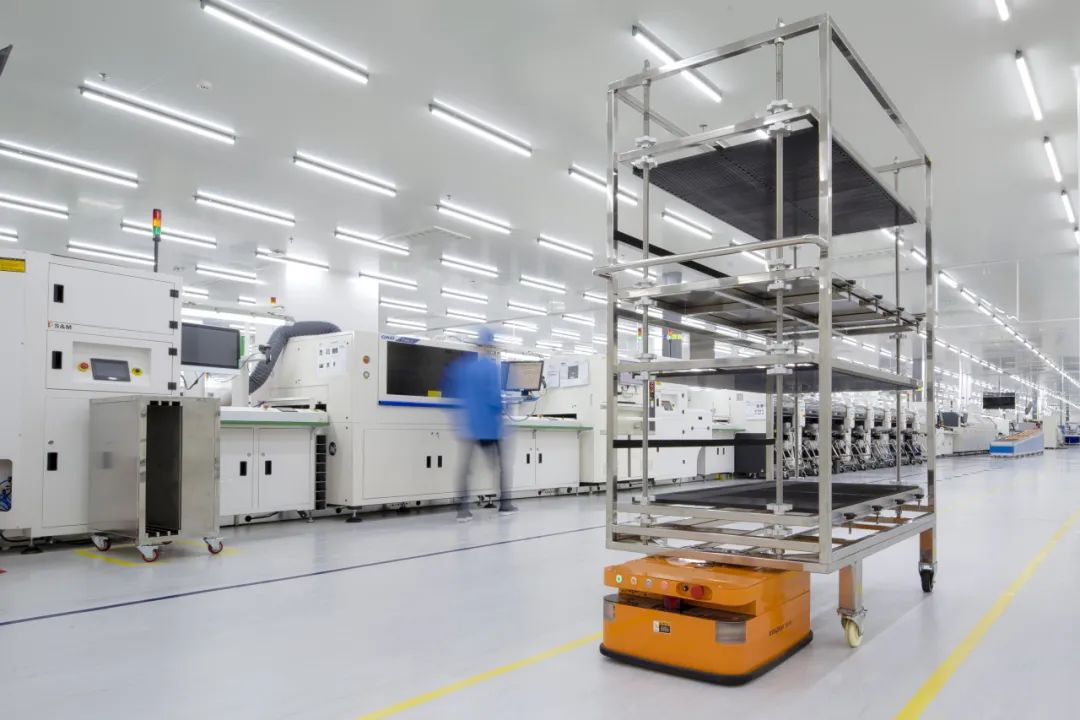
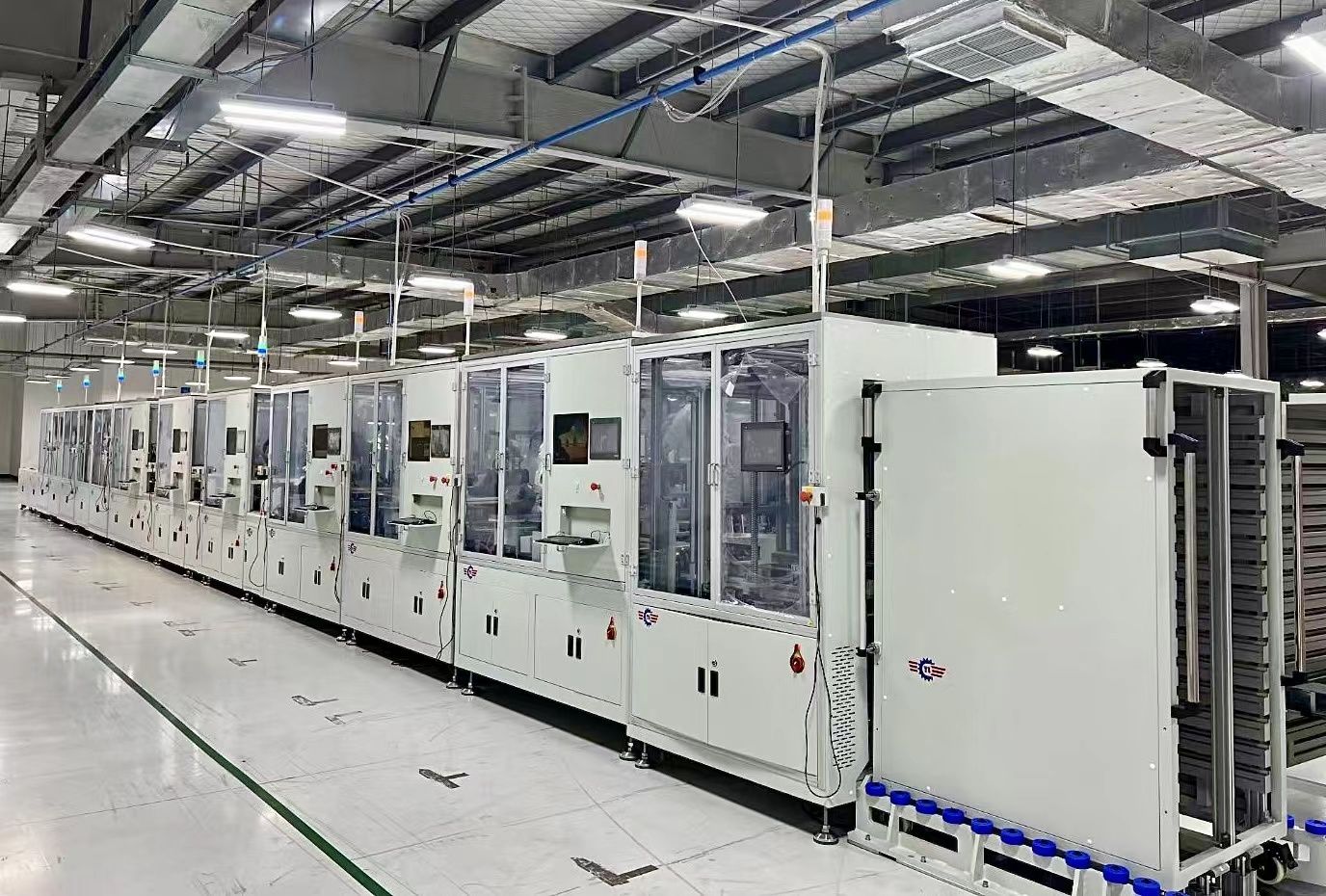
Our Shenzhen facility integrates automated optical inspection (AOI), x-ray structural analysis for micro-soldered components, and specialized environmental Chambers to test server performance under severe thermal loads. By bridging local component ecosystems with automated testing platforms, NexCore combines the agility of custom builds with the cost benefits of high-volume manufacturing.
As machine learning shifts from classic convolutional neural networks to massive Large Language Models (LLMs) and Mixture-of-Experts (MoE) topologies—such as the DeepSeek framework—the demands on processing pipelines have shifted from pure compute speed to memory bandwidth and interconnect throughput.
As single GPU power consumption trends past 700W, traditional air cooling is hitting thermal limits. NexCore is building hybrid direct-to-chip (D2C) liquid cooling infrastructure to manage temperature profiles, increase Mean Time Between Failures (MTBF), and improve Datacenter PUE.
Our architectures feature optimized PCIe Gen 5 configurations and design patterns prepared for Gen 6 pathways. We reduce communication bottlenecks between accelerators using NVLink and CXL protocols, lowering latency in dense neural networks.
We optimize hardware configurations specifically for the mixture-of-experts (MoE) routing mechanisms utilized by frameworks like DeepSeek, utilizing high-bandwidth system memory to support high token generation rates.
Driven by our 128-member engineering team, NexCore launched 86 new server architectures and configurations over the past year. This sustained development cycle ensures our clients have access to layout designs optimized for the thermal and network performance requirements of modern AI models.
Enterprise AI deployments require server configurations built for their specific computational profiles. Standardizing on a single hardware architecture can lead to underutilized resources or memory-bandwidth bottlenecks. NexCore assists organizations in selecting and customizing hardware for different workload patterns:
Requires tight GPU-to-GPU interconnect speed and large frame buffers. Multi-GPU rack setups minimize data distribution latency during training epochs.
Focuses on high-speed single-batch query processing. PCIe systems loaded with low-power accelerators provide high query throughput per rack unit.
Demands parallel calculations and dual-socket CPU computing nodes. Custom bios parameters are configured for simulation workloads and physical modeling.
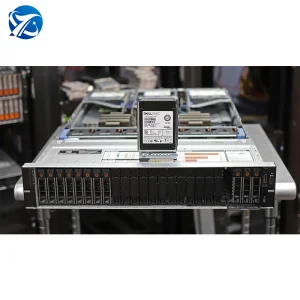
Our engineers work with clients to customize systems, supporting configurations including custom-branded chassis, optimized GPU/CPU pairings, specific storage hierarchies (SATA/NVMe SSD arrays), and high-throughput networking (such as 200Gb/s InfiniBand cards).
Deploying enterprise hardware globally requires addressing local grid standards, safety directives, and logistics regulations. NexCore operates a dedicated export division to streamline international shipping, customs clearance, and local compliance requirements.
Our team supports deployment requirements in North America, Europe, the Middle East, and APAC. Every server is shipped with localized documentation, verified power cables matching target data centers, and configurations that align with local grid standards. This localized approach helps prevent integration issues and regulatory delays.
NexCore provides flexible customization of chassis layouts, motherboard components, server BIOS, and remote management tools (IPMI/BMC firmware). This allows you to integrate custom systems smoothly into existing orchestration frameworks.
Our engineering team provides remote diagnostics and troubleshooting, firmware updates, and replacement components. We help ensure hardware remains functional through demanding training and deployment workloads.
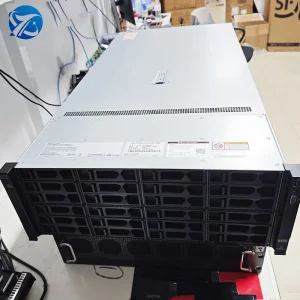
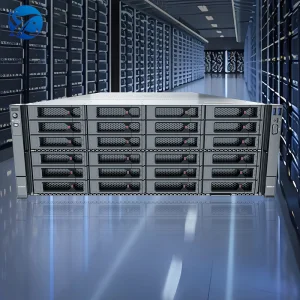
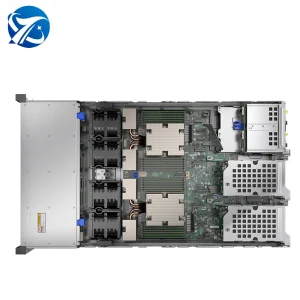
Review more of our certified hardware, including storage options and dense processing servers designed for enterprise applications and large datasets.