NexCore
NexCore
NexCore
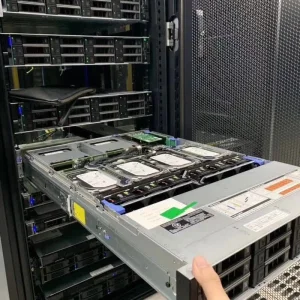
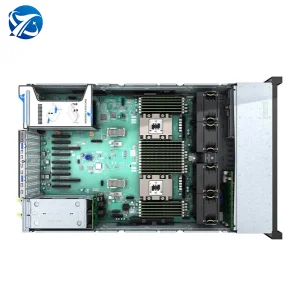
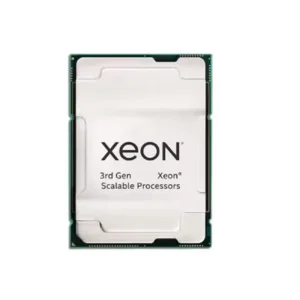
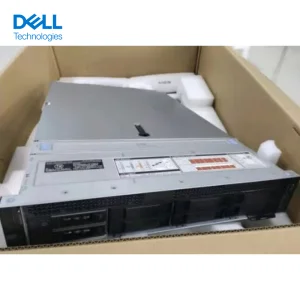
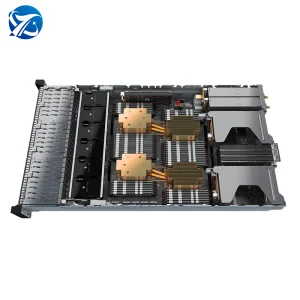
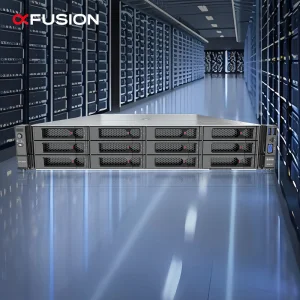
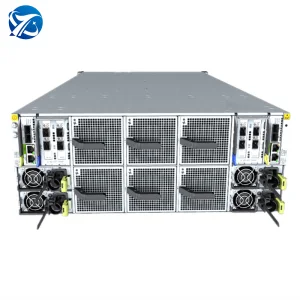
In modern enterprise network architectures, high availability and resilient workloads are foundational. An Application Delivery Controller (ADC), traditionally referenced as a load balancer, acts as the primary orchestrator of Layer 4 through Layer 7 traffic. It directs incoming traffic streams to appropriate nodes to guarantee maximum performance and eliminate single points of failure.
For international deployment, hardware compliance is paramount. The CE Mark (Conformité Européenne) is a critical indicator of a product's compliance with EU legislation, enabling free movement within the European Economic Area. In the high-density computing sector, CE Certification guarantees that hardware platforms—such as high-performance compute nodes, network servers, and high-capacity storage racks—meet stringent safety, health, and environmental requirements:
Ensures structural integrity and minimizes electromagnetic emissions that could disrupt neighboring network components or host server infrastructure.
Validates operating safety protocols for electrical devices operating within specific voltage ranges, protecting personnel from high-voltage hazards.
Restricts the utilization of hazardous chemicals in lead-free soldering and internal circuitry configurations, ensuring environmentally conscious server recycling.
Without appropriate CE certification, global IT infrastructure procurement faces significant import friction, deployment delays, and legal liabilities. Achieving regulatory alignment requires rigorous hardware engineering, component testing, and specialized manufacturing lines, establishing a clear division between entry-level factories and tier-one infrastructure providers.
The global dominance of Chinese manufacturing in server technology is driven by highly integrated supply chain ecosystems, optimized component sourcing, and rapid engineering iterations. As a key player in this sector, NexCore Intelligent Technology Co., Ltd. exemplifies these advantages from its production facilities and headquarters in Shenzhen, China.
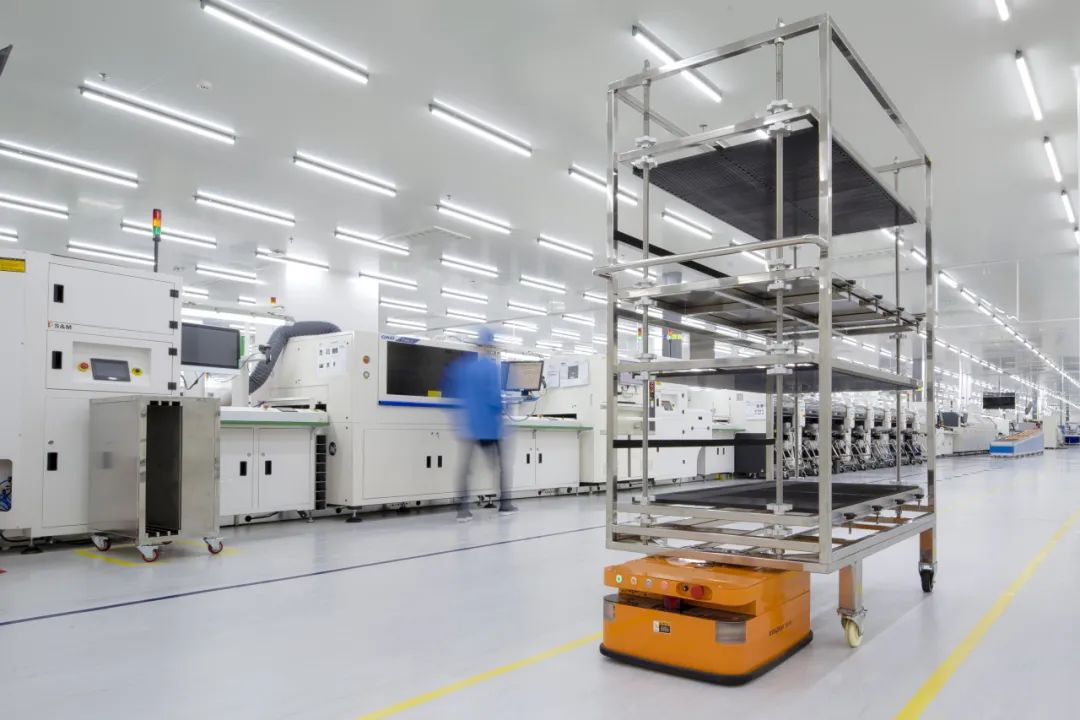
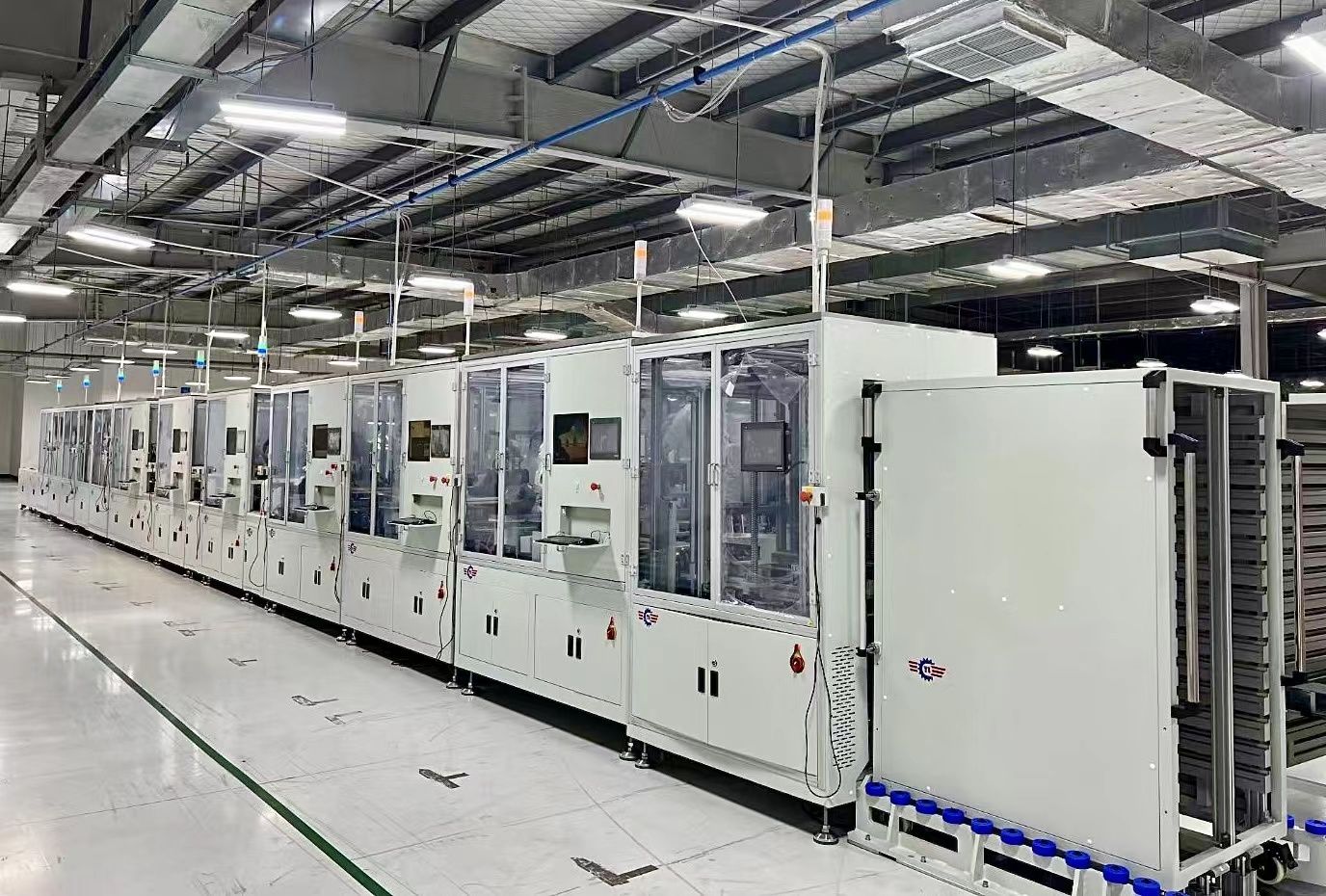
Established in 2017, NexCore utilizes its strategic location in Shenzhen to source high-grade materials, build close vendor relations, and accelerate product turnaround times. The company operates a modern, highly optimized production facility covering 386 square meters. This facility coordinates with a vast network of partner factories to support large-scale enterprise deployments.
Empowering global digital transformation through high-density compute systems and certified networks.
Modern cloud architects and corporate CTOs face shifting requirements when sourcing hardware-based or software-defined load balancers and system servers. Legacy setups focused mainly on basic round-robin Layer 4 distribution. Today, the focus is on end-to-end security, traffic analysis, and machine learning traffic orchestration.
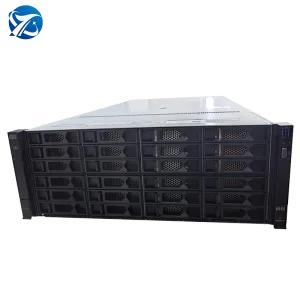
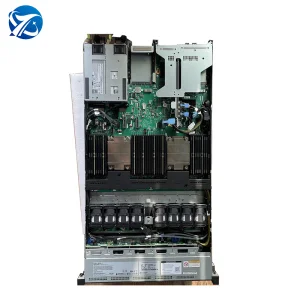
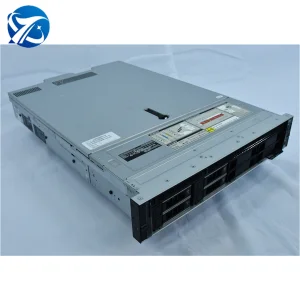
The rise of large language models (LLMs) and tools like DeepSeek has shifted workload demands. Load balancing infrastructures must manage complex AI model routing. Multi-socket, high-performance servers, such as the xFusion V7 or Dell PowerEdge systems, require high-speed backplane communication and load distribution to maintain low latency during inference phases.
Enterprise boundaries are expanding. Decoupled microservices and hybrid cloud architectures need local load balancer nodes with hardware-based cryptographic accelerators (SSL/TLS offloading). In this context, CE-certified systems ensure compliance with European cybersecurity policies, protecting critical data access points.
High-availability load balancers and system nodes are critical for keeping digital services online across various industries. Common deployment scenarios include:
NexCore's 46-person Quality Assurance team monitors the assembly and testing process. Products undergo thermal cycling, hardware diagnostics, and burn-in tests to ensure stable performance in complex IT environments.
Expert answers regarding CE-certified load balancers, server configurations, and global supply chain integrations.