NexCore
NexCore
NexCore
Explore our collection of CE certified server components, enterprise storage arrays, high-speed connectivity solutions, and AI acceleration nodes optimized for global data centers.
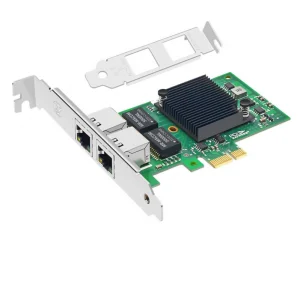
Established in 2017 and headquartered in Shenzhen, China, NexCore Intelligent Technology Co., Ltd. is a leading global AI server manufacturer and system integration partner. We specialize in engineering high-reliability enterprise IT infrastructure, including multi-node GPU clusters, custom AI training platforms, deep learning inference devices, and High-Performance Computing (HPC) modules.
Operating from our state-of-the-art facility, NexCore supports a broad spectrum of enterprise requirements. With 9+ years of industry design experience and 6+ years of international distribution success, we have deployed advanced compute nodes across North America, Europe, Asia-Pacific, and Oceania, achieving an annual export volume exceeding USD 18 million.
Our operation is anchored in manufacturing rigour and engineering agility. Guided by structural quality management systems and a specialized 46-person Quality Assurance division, every bare-metal chassis, memory module, PCIe riser, and computing cluster undergoes intensive hardware verification and stress testing prior to global logistics handling.
Integration of Compute Express Link (CXL 2.0 / 3.0) architectures, enabling seamless memory pooling and reducing latency bottlenecks between host CPUs and dynamic GPU accelerators.
Optimizing high-frequency signaling and board layouts to support data transfer velocities of 64 GT/s per lane, minimizing throughput limitations on modern AI training workloads.
Moving beyond standard air-cooling limitations. Development of scalable closed-loop and open-loop direct-to-chip (D2C) liquid cooling blocks designed for TDP profiles exceeding 700W per node.
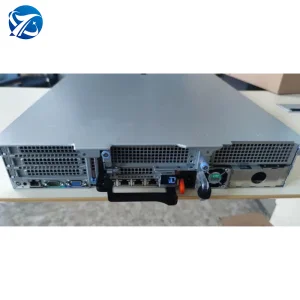
As enterprise networks transition from traditional cloud hosting to containerized AI deployments, standard hardware paradigms are shifting. NexCore's hardware engineering roadmap prioritizes decoupling compute, memory, and storage fabrics. By standardizing on modular chassis design, global infrastructure engineers can rapidly swap storage controllers (such as XP270-M2 SAS3808 cards) and scale compute fabrics using modern PCIe-based processing clusters. Our current development pipeline ensures compatibility with high-density interconnect cables, sub-millisecond network fabrics, and hardware platforms capable of hosting DeepSeek, LLaMA, and custom large language model inference networks.
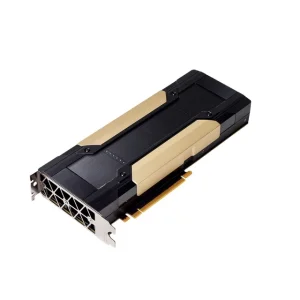
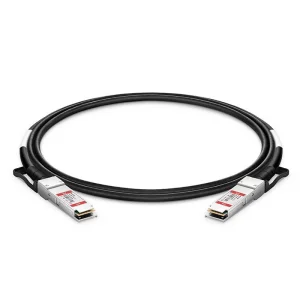
AI training architectures require massive parallel floating-point processing capabilities and inter-node bandwidth. NexCore designs and deploys dense multi-GPU rack systems configured with PCIe Gen 5 topologies, enabling high efficiency during deep learning operations. By integrating components like high-performance SAS/NVMe controllers and direct attach copper (DAC) cables, we design configurations that reduce communication latencies, helping prevent thermal throttling during continuous compute training cycles.
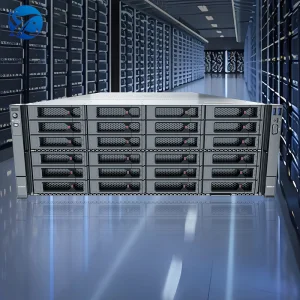
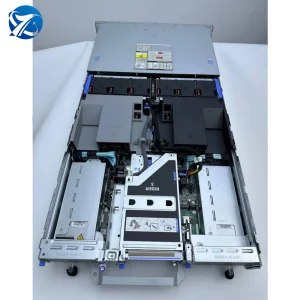
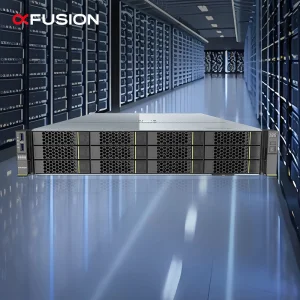
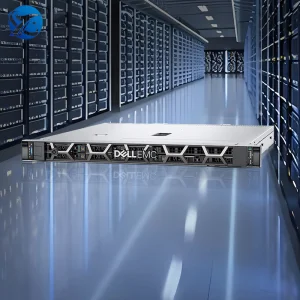
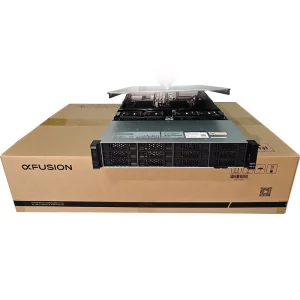
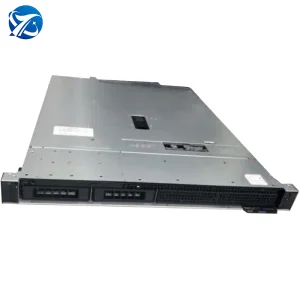
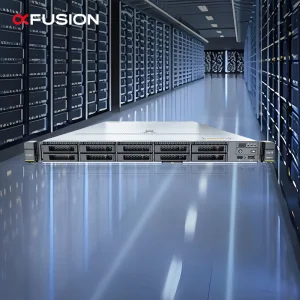
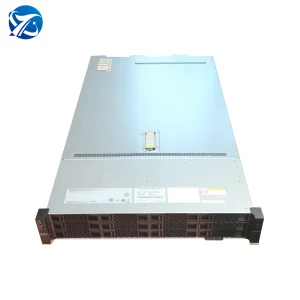
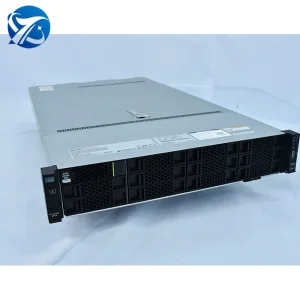
Modern Cloud Service Providers (CSPs) require flexible virtualization densities. Our 1U and 2U rack server lines (such as the Fusionserver and PowerEdge platforms) provide high core counts per rack unit, scalable DDR5/DDR4 memory spaces, and high IOPS storage lanes. These setups are ideal for handling high-volume SQL databases, enterprise CRM systems, and hyper-converged virtualization fabrics (HCI) that serve millions of daily requests.
For international enterprise buyers, regulatory compliance determines deployment eligibility. NexCore is a dedicated **CE Certified IT Hardware Supplier**. Our server platforms and compute accessories undergo independent laboratory testing to verify compliance with European Union directives, including the Low Voltage Directive (LVD) 2014/35/EU, the Electromagnetic Compatibility (EMC) Directive 2014/30/EU, and RoHS 2011/65/EU restrictions.
We work to eliminate the logistical and technical challenges of deploying hardware internationally by providing:
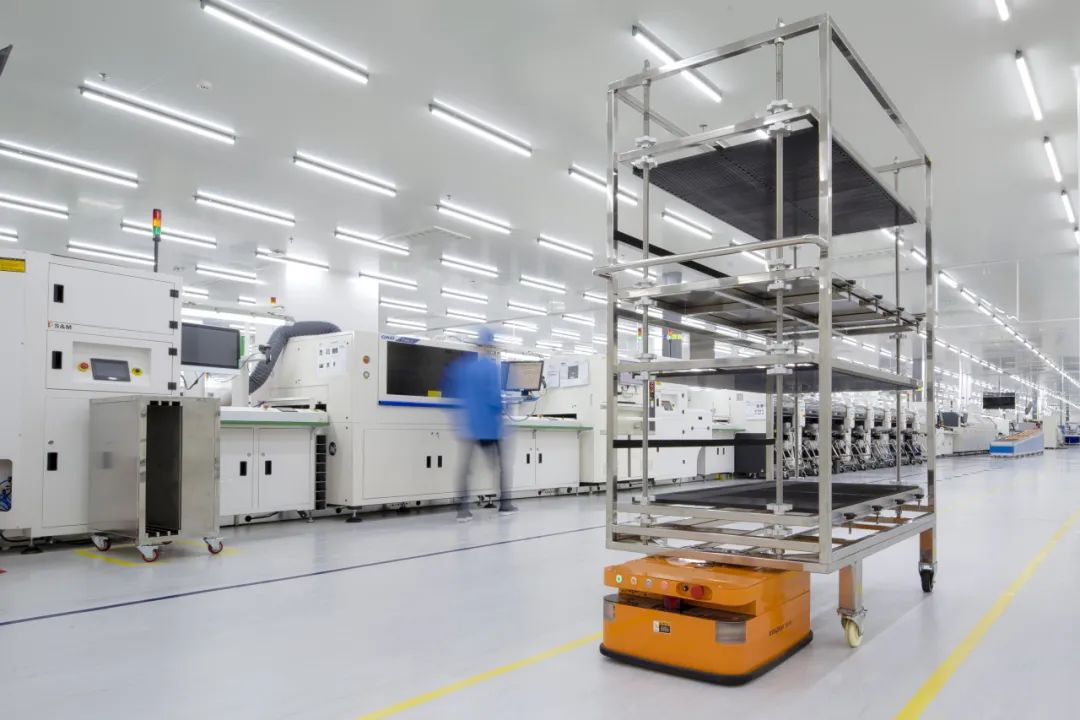
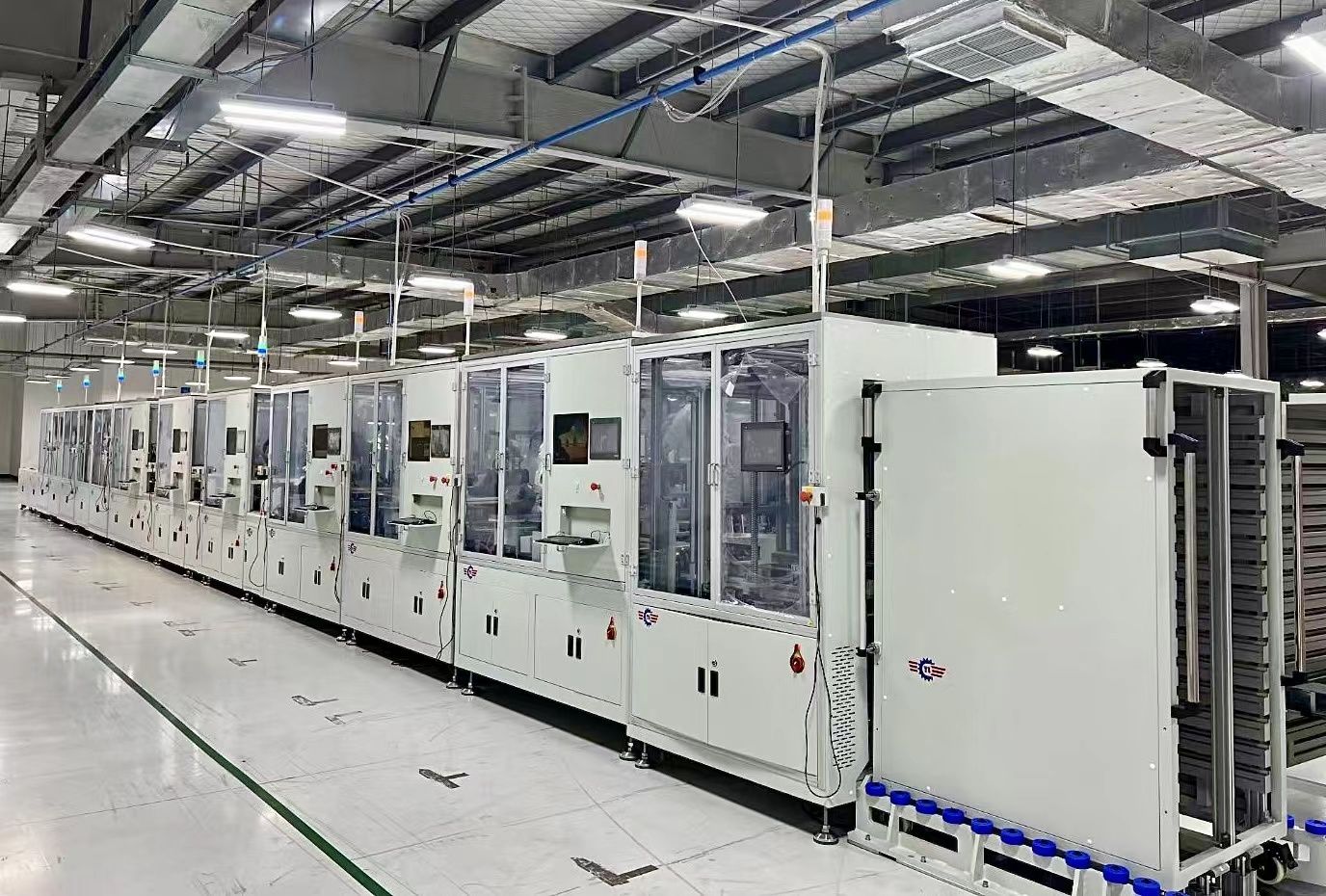
Our modern manufacturing facility in Shenzhen leverages advanced processes to maintain production efficiency, product consistency, and cost-competitiveness.
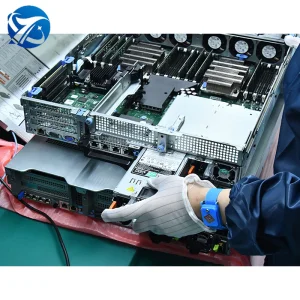
Shenzhen's industrial ecosystem allows NexCore to manage complex production cycles with agility. Our proximity to high-precision component fabs, multilayer PCB manufacturers, and metal stamping operations allows us to move from custom designs to functional prototypes in short timeframes. We carry out structural integration tests, component verification protocols, signal integrity checks on PCIe lines, and power-cycling tests on every custom server configuration. This focus on process control minimizes hardware failures during field operation, providing high MTBF (Mean Time Between Failures) for global enterprise systems.
Enterprise clients require custom layouts. NexCore accommodates detailed chassis modifications, component branding, custom BIOS configurations, and specific thermal profiles to fit your proprietary software platforms.
We arrange international customs clearance, certified shock-resistant packaging, and ocean/air freight agreements to keep your hardware deliveries on schedule.
We document critical components (CPUs, storage controllers, network transceivers) back to authorized silicon fabs, protecting your configurations from counterfeit risk.
Discover additional enterprise-grade systems, high-density server configurations, and customized network modules built to optimize compute efficiency.
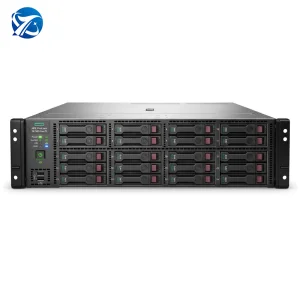
Our server hardware designs are engineered to support global deployment. NexCore is a CE Certified IT Hardware Supplier. Our product lines undergo testing to align with the Low Voltage Directive (LVD) 2014/35/EU, the Electromagnetic Compatibility (EMC) Directive 2014/30/EU, and the RoHS Directive 2011/65/EU. Additionally, we provide FCC-compliant test records for North American integration projects.
Yes. Our in-house R&D team of 128 engineers supports customize BIOS configurations, specific boot configurations, and custom firmware interfaces. We also provide OEM and ODM physical customizations, including custom server faceplates, custom chassis dimensions, storage backplane modifications, and targeted structural thermal design adjustments.
Our 46-person quality control division runs standard testing procedures on all hardware. Complete systems undergo automated assembly inspection, structural vibration testing, high-pot electrical isolation checks, and a continuous thermal burn-in cycle at 40°C ambient temperatures for 24 to 72 hours under high processing workloads. System diagnostic logs are archived to confirm component stability before shipping.
Standard rack mount server configurations in stock can ship within 5 to 7 business days. For customized multi-GPU systems, bespoke component configurations, or large orders requiring custom metal fabrication, production timelines generally range from 14 to 30 days. We coordinate directly with global logistics networks to manage delivery schedules.
Yes. Every component we supply—ranging from PM897 series read-write hybrid SSDs to XP270-M2 SAS3808 storage controllers—is sourced from authorized suppliers and tested for system compatibility. This standard component validation process helps prevent cross-compatibility issues, firmware mismatches, or unexpected system crashes when deployed in active enterprise environments.