NexCore
The demand for AI technology is soaring. As businesses explore advanced computing solutions, choosing the right rackmount AI server manufacturer is crucial. These servers are designed for high performance and scalability. They cater to various industries, from healthcare to finance.
Many manufacturers offer diverse solutions, but not all are created equal. Each brand has its strengths and weaknesses. Reliability and support should guide your decision. Innovative designs often come with a higher price tag. It’s essential to assess what your enterprise truly needs.
Investing in a rackmount AI server can be daunting. The marketplace is flooded with options. Conducting thorough research is vital. Seeking expert opinions and user reviews can provide clarity. Your choice will impact operations significantly. Thus, understanding the landscape is key for success.
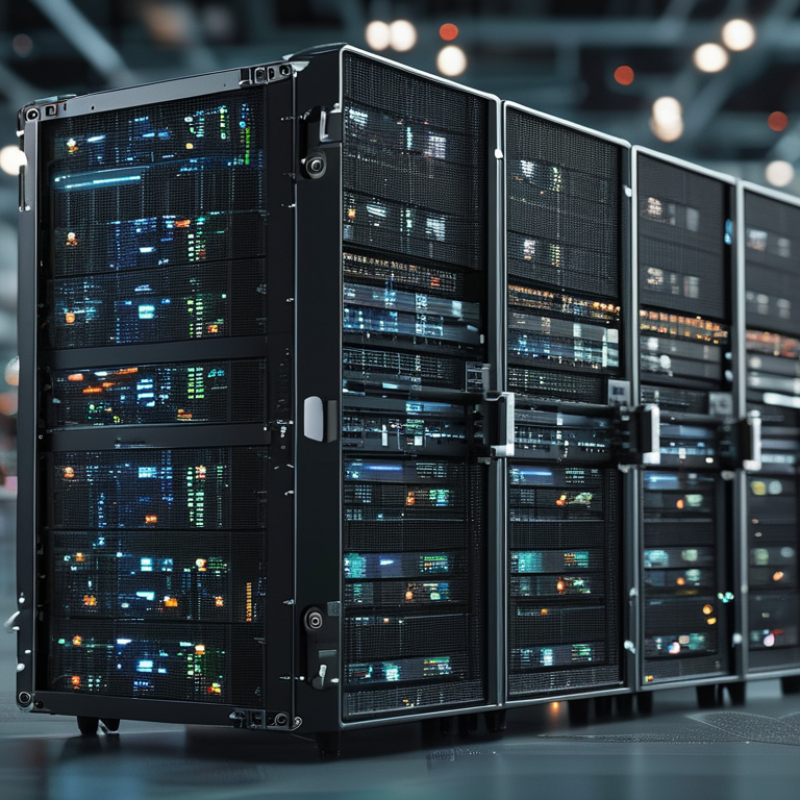
The demand for rackmount AI servers is on the rise. Recent market reports indicate a compound annual growth rate (CAGR) of approximately 30% from 2023 to 2028. This growth is driven by the need for high-performance computing in sectors like healthcare, finance, and manufacturing.
Despite the promising market, not all manufacturers deliver the same level of quality. Some companies struggle with reliability and performance. Research shows that around 25% of organizations express dissatisfaction with their current AI server providers. Factors such as cooling efficiency and power consumption play critical roles. Many systems fail to perform optimally due to heat management issues. This stresses the importance of choosing the right manufacturer.
Additionally, integration challenges persist. Many users report difficulties in aligning rackmount AI servers with existing infrastructure. Effective communication between buyer and provider is essential for a smooth deployment. Failure to address compatibility can lead to increased costs and delays. Ensuring a thorough understanding of technical specifications is vital.
When selecting AI rackmount servers, key features set apart the top manufacturers. A report from IDC indicates the global AI server market is expected to reach $50 billion by 2025. Performance metrics, such as GPU count and memory capacity, are crucial for demanding AI workloads. Many systems now support multiple GPUs. Some configurations offer up to 8 GPUs, greatly enhancing parallel processing capabilities.
Cooling solutions are also vital. With increased processing power comes heat. Efficient cooling systems can prevent thermal throttling, ensuring optimal performance. Some products feature advanced liquid cooling, which can be 30% more effective than traditional air cooling. This aspect is essential for maintaining system longevity.
Another critical specification is power supply redundancy. A reliable server must handle unexpected power failures. Many leading manufacturers design their systems with dual power supplies to provide uninterrupted operation. Buyers should also consider future scalability. The modular design allows for easy upgrades, accommodating evolving AI requirements. A responsive approach to these specifications can significantly impact operational efficiency.
The AI server market is rapidly evolving. Manufacturers are competing fiercely, each striving for the largest share. Revenue insights reveal trends that highlight the leaders in this space. These companies leverage cutting-edge technology to meet the demands of global buyers.
Market data shows that innovation is key. Many manufacturers invest heavily in research and development. This effort results in advanced features and improved performance. However, not all manufacturers achieve consistent success. Some struggle with scalability or customer support. These challenges can hinder their market presence.
User feedback plays a crucial role in shaping the AI server landscape. Buyers desire reliability and efficiency. Vendors must listen and adapt to these needs. Maintaining trust is vital for long-term growth. As market dynamics shift, companies must reflect on their strategies. Adapting to changing circumstances is essential for sustaining competitive advantage.
The landscape of rackmount AI servers is constantly evolving. These servers are becoming more powerful, compact, and efficient. Emerging trends highlight the integration of advanced cooling systems. These systems prevent overheating during intensive computations. Energy efficiency also plays a crucial role. Companies face pressures to reduce their carbon footprints while maximizing performance.
Another trend is the shift toward modular designs. This approach allows for easy upgrades and scalability. Organizations seek flexibility to adapt to changing needs. However, the lack of standardized components can create challenges. Buyers may struggle to find compatible parts. This issue raises questions about long-term investment in specific configurations.
Furthermore, the rise of AI applications demands innovative solutions. Higher processing power is essential for efficient analytics. Companies also focus on enhanced security features. Protecting data remains a top priority. The need for robust cybersecurity measures complicates server design. Balancing performance and security is a critical concern moving forward. The future of rackmount AI servers requires careful thought and reflection on these complexities.
In various industries, rackmount AI servers have been pivotal for operational efficiency. Take healthcare, for instance. AI models analyze patient data rapidly, helping doctors make informed decisions. Hospitals using these servers report significant improvements in diagnostic accuracy. However, integrating such technology can be daunting due to initial setup complexity.
Retail businesses also benefit from these servers. They optimize inventory management through predictive analytics. Case studies indicate that firms using AI-driven insights reduce stock shortages. Yet, it’s crucial to remember that data security remains a challenge. Ensuring customer information is protected demands continuous vigilance.
Tips: Consider scaling your server deployment gradually. Start with essential applications and expand as your understanding grows. Regularly assess performance metrics to identify bottlenecks. Stay informed on AI advancements; they evolve constantly, impacting your infrastructure choices.
I rackmount servers?
Efficient cooling prevents overheating. Advanced liquid cooling can be up to 30% more effective than air cooling.
It allows servers to handle power failures. Dual power supplies maintain uninterrupted operation during outages.
They analyze patient data quickly, aiding in accurate diagnoses. Implementation, however, can be complex for new users.
They enhance inventory management with predictive analytics, reducing stock shortages effectively.
Focus on gradual scaling. Start small and expand as you understand the technology better.
Protecting customer information requires ongoing vigilance to prevent breaches and maintain trust.
Regular assessments help identify bottlenecks. This continuous monitoring leads to improved operational outcomes.
Initial setup complexity can be daunting, requiring a thoughtful approach to integration and training.
Stay informed regularly. AI evolves quickly, influencing your infrastructure and deployment strategies.
The article "Top 10 Rackmount AI Server Manufacturers for Global Buyers" provides an in-depth examination of leading rackmount AI server manufacturers, outlining their key features and specifications. It highlights the market context and presents insights into the market share and revenue generated by these manufacturers. As industries increasingly adopt AI technologies, the article discusses emerging trends in rackmount AI servers, emphasizing their future implications in enhancing computational efficiency and scalability.
Moreover, the article includes case studies that illustrate successful implementations of rackmount AI servers across various sectors, showcasing their practical benefits and performance. This comprehensive overview serves as a valuable resource for global buyers seeking to understand the landscape of rackmount AI server manufacturers and make informed decisions in their purchasing processes.
