NexCore
In the rapidly evolving world of technology, selecting a reliable AI server hardware manufacturer is crucial. These manufacturers play a key role in shaping the effectiveness of AI applications. Their hardware must support vast data processing and complex algorithms. With many options available, finding the right fit can be overwhelming.
Understanding the various factors that differentiate these manufacturers is essential. From performance metrics to innovative designs, each manufacturer offers unique advantages. The top brands often invest heavily in research and development, ensuring their products meet the increasing demands of AI workloads. However, buyers should be mindful of potential shortcomings. Not every product lives up to its advertised capabilities.
In this landscape, informed choices can lead to successful AI deployments. Awareness of the strengths and weaknesses of each AI server hardware manufacturer is vital. This knowledge aids in aligning hardware capabilities with specific project needs. Prospective buyers must navigate these waters carefully, ensuring choice is driven by thorough evaluation rather than brand loyalty alone.
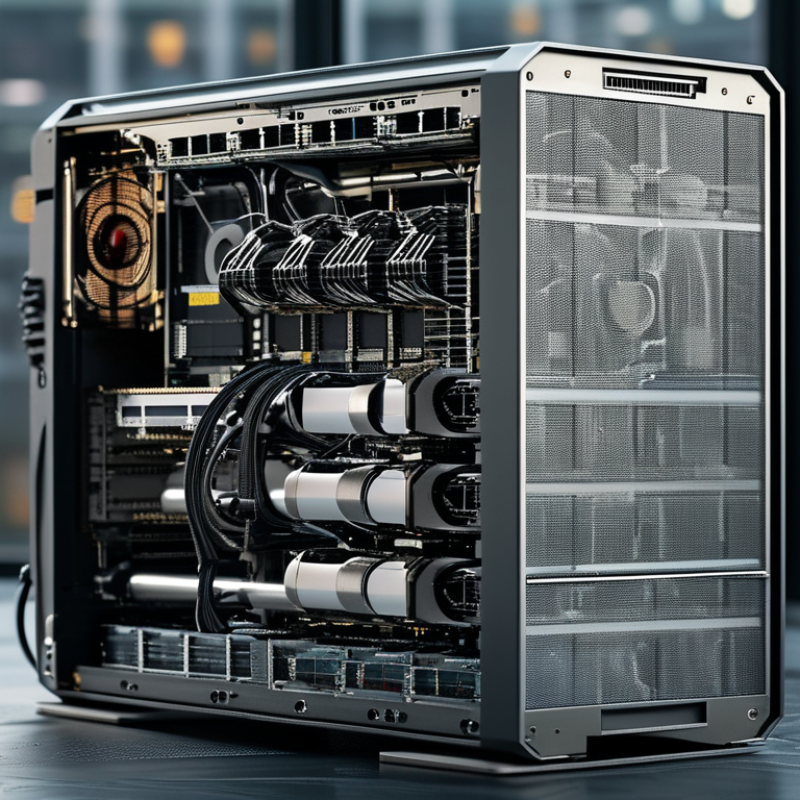
The AI server hardware manufacturing industry has quickly evolved to meet the soaring demand for AI technologies. According to a recent report by “Market Research Future”, the global AI hardware market is projected to surpass $70 billion by 2027. This growth is driven by advancements in machine learning, data analytics, and high-performance computing.
In today's competitive landscape, companies need to consider several factors when sourcing AI server hardware. The focus on energy efficiency is crucial. Many organizations look for solutions that not only perform well but also minimize energy costs. Furthermore, businesses are increasingly focused on scalability. This allows them to adapt their infrastructure as needs change. Investing in modular designs can lead to significant long-term savings.
Tips for buyers: Look for manufacturers that prioritize sustainability. Eco-friendly practices are becoming increasingly important. Also, evaluate the total cost of ownership. A low initial price does not always mean saving over time. When equipped with the right information, buyers can make informed decisions that drive innovation while supporting environmental goals.
When selecting AI server hardware manufacturers, several key criteria should guide your decision. Reliability stands out among the most important factors. Look for manufacturers with a proven track record of performance and uptime in demanding environments. Consistent delivery of high-quality products fosters trust.
Scalability is another crucial aspect. Your AI solutions may evolve rapidly. Therefore, it's essential to choose manufacturers that offer adaptable solutions. These should meet your current needs while also being capable of scaling as your requirements grow. Customization options can also enhance performance, aligning with your specific objectives.
Finally, customer support cannot be overlooked. Efficient service and prompt troubleshooting significantly reduce downtime. A responsive support team makes a difference during critical moments. Engaging manufacturers who prioritize after-sales service can lead to better long-term relationships. Thoroughly evaluating these criteria will aid in finding the right AI server hardware manufacturer for your needs.
| Rank | Manufacturer | Annual Revenue (USD Billion) | Market Share (%) | Main Product Type | Customer Segments |
|---|---|---|---|---|---|
| 1 | Anonymous Manufacturer A | 25 | 30% | GPU Servers | Enterprise, Cloud Providers |
| 2 | Anonymous Manufacturer B | 20 | 25% | AI-optimized CPUs | Research Institutions, Enterprises |
| 3 | Anonymous Manufacturer C | 15 | 20% | Custom AI Hardware | Startups, Enterprises |
| 4 | Anonymous Manufacturer D | 18 | 15% | High-Performance Computing | Datacenters, Government |
| 5 | Anonymous Manufacturer E | 10 | 10% | Cloud-based AI Solutions | SMEs, Tech Companies |
| 6 | Anonymous Manufacturer F | 12 | 8% | Edge AI Devices | Industries, Retail |
| 7 | Anonymous Manufacturer G | 9 | 6% | Modular AI Systems | Healthcare, Automotive |
| 8 | Anonymous Manufacturer H | 7 | 5% | AI Development Kits | Academic, Developer Community |
| 9 | Anonymous Manufacturer I | 8 | 4% | AI Chips | Tech Startups, Enterprises |
| 10 | Anonymous Manufacturer J | 6 | 3% | AI Framework Hardware | Small Businesses, Freelancers |
In the evolving landscape of AI technology, selecting the right server hardware is crucial for businesses. Leading global manufacturers have emerged, specializing in AI server solutions. These companies focus on high-performance computing, efficient processing, and scalability. Advanced capabilities enable them to meet the demanding needs of AI applications.
When choosing server hardware, buyers should consider key factors. Performance matters significantly. Look for specifications that support machine learning workloads and data processing speeds. Efficiency is another vital aspect. Energy-saving features can reduce operational costs over time.
Buyers often overlook compatibility with existing systems. Ensuring seamless integration can save time and resources. Additionally, consider future scalability. Technology evolves rapidly, and efficient solutions should support growth. Evaluate support services offered by manufacturers, as timely assistance can minimize downtime.
Ultimately, having a clear understanding of specific needs will lead to informed decisions. Follow industry trends and engage with expert reviews. Customize your approach based on insights and real-world experiences. Balancing innovation with practicality is essential in this competitive market.
The landscape of AI server hardware is evolving rapidly. Innovative technologies are driving performance, efficiency, and scalability. Data from industry reports show that the AI server market is expected to reach $25 billion by 2028, growing at a compound annual growth rate (CAGR) of 30%. This growth highlights the increasing demand for high-performance computing systems.
One key trend is the integration of custom silicon solutions. These chips are optimized for AI workloads. They improve processing speeds and reduce energy consumption. Efficiency is critical, as AI algorithms often require massive computational resources. Reports indicate that energy-efficient designs can reduce costs by up to 25% over conventional systems. However, the complexity of customizing hardware presents challenges, requiring continuous innovation and adaptation.
Moreover, advancements in thermal management technologies are crucial. Efficient cooling solutions enhance hardware longevity. They also ensure stable performance during peak loads. Unresolved issues arise, such as balancing cooling effectiveness with power consumption. These challenges amplify the need for research and development in sustainable tech. Data suggests that companies investing in innovative thermal solutions see a performance boost of at least 15%.
The AI server hardware market is rapidly evolving. Growth is driven by advancements in deep learning and data processing capabilities. According to recent reports, the global AI server market is projected to reach $30 billion by 2025. This reflects a CAGR of over 30% from 2022. Increasing demand for AI applications in sectors like healthcare and finance fuels this trend.
One notable trend is the shift toward energy-efficient designs. Many manufacturers are exploring ways to reduce power consumption without compromising performance. Industry experts emphasize that sustainable practices will become essential. Efficient cooling systems and optimized resource management strategies can mitigate operational costs and environmental impact.
However, challenges persist. The supply chain for components like GPUs remains unstable, impacting production timelines. Companies must adapt to this unpredictable environment. Additionally, the rapid pace of technological advancement can lead to frequent hardware obsolescence. Buyers need to consider long-term viability when making investment decisions. Market players must remain flexible to sustain their competitive edge in this dynamic landscape.
I server hardware manufacturers?
Scalability is crucial. You need adaptable solutions that can grow with your evolving requirements.
Yes, customization aligns hardware with your specific objectives, enhancing overall performance.
Good customer support reduces downtime. A responsive team can help during critical situations.
Custom silicon solutions and energy-efficient designs are trending, improving processing speeds and reducing costs.
Efficient cooling enhances hardware longevity and stability. However, balancing cooling with power consumption remains a challenge.
Supply chain instability can impact production timelines. Rapid tech advancement may also lead to hardware obsolescence.
Sustainable practices reduce costs and environmental impact. Many manufacturers are prioritizing energy-efficient designs.
Increased demand in sectors like healthcare and finance is driving the growth of the AI hardware market.
Focus on long-term viability and flexibility. Rapid tech changes mean buyers must adapt quickly to stay competitive.
The AI server hardware manufacturing industry is rapidly evolving, driven by the growing demand for advanced computing capabilities in various sectors. When selecting an AI server hardware manufacturer, buyers should consider key criteria such as performance, energy efficiency, scalability, and support services. This article highlights top global manufacturers renowned for their innovative technologies and design strategies, which enhance the efficiency and capability of AI servers.
Moreover, the future of AI server hardware is shaped by trends such as increased integration of machine learning capabilities, enhanced cooling solutions, and the development of specialized hardware architectures. As organizations continue to embrace AI solutions, understanding the dynamics of the AI server hardware market and the strengths of different manufacturers will empower global buyers to make informed decisions in this competitive landscape.
